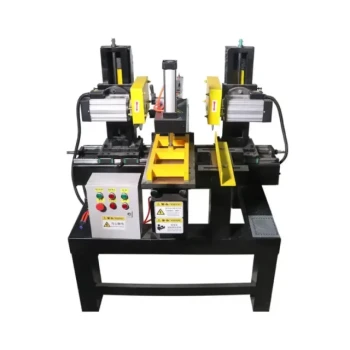
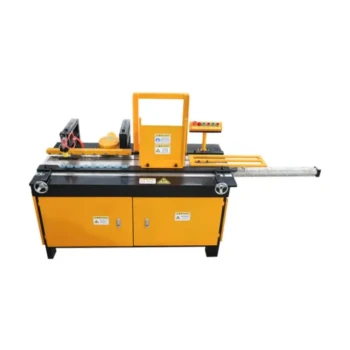
Industrial-grade beehive manufacturing equipment serves as the foundational "hardware engine" of the upstream beekeeping supply chain. It functions by utilizing mechanization to convert raw materials into standardized, interchangeable hive components. This equipment does not just produce boxes; it establishes the essential infrastructure uniformity required to transition beekeeping from small-scale artisanal work to efficient, automated commercial operations.
By shifting production from manual crafting to industrial precision, this equipment ensures the interchangeability of parts necessary for commercial scale. It creates the physical standard that allows for cost-effective expansion, scientific colony management, and the integration of downstream automation technologies.
The Strategic Power of Standardization
Establishing Component Interchangeability
The primary role of this equipment is to ensure that every hive body, frame, and bottom board is produced to precise, consistent specifications.
This uniformity means parts can be swapped effortlessly between thousands of different colonies. Without this industrial precision, managing large-scale apiaries would be logistically impossible due to mismatched equipment.
Enabling Downstream Automation
Standardized infrastructure is the prerequisite for mechanizing the rest of the supply chain.
Automated honey extraction lines and processing machinery rely on inputs with exact dimensions. Industrial manufacturing equipment ensures that the beehives are compatible with these advanced harvesting technologies, streamlining the flow from field to jar.
Facilitating Scientific Management
Uniform equipment provides the material foundation for standardized management workflows.
When every hive is identical, procedures like colony splitting (eduction) and treatment applications become repeatable and predictable. This consistency reduces operational risks and allows for data-driven decisions across the apiary.
Economic and Operational Impact
Achieving Economies of Scale
Industrial machinery enables the mass production of high-quality components at a speed manual labor cannot match.
This capability allows commercial operations to rapidly expand their infrastructure without improved labor costs becoming a bottleneck. It is the lever that transforms small holdings into large-scale commercial enterprises.
Reducing Infrastructure Costs
By automating the cutting and assembly processes, this equipment significantly lowers the unit cost of beekeeping hardware.
Reduced acquisition costs for high-efficiency equipment make it financially viable for farmers to adopt professional standards. This democratization of quality tools supports the broader agricultural ecosystem, including pollination services.
Improving Labor Efficiency
Standardized, high-quality hardware reduces the labor intensity required for hive maintenance.
Beekeepers spend less time fighting with ill-fitting frames or repairing inconsistent boxes. This efficiency frees up human capital to focus on colony health and logistical management rather than equipment repair.
Biological Advantages of Precision
Optimizing Bee Energy Expenditure
Precision manufacturing ensures tighter seals and better structural integrity, resulting in improved insulation and ventilation.
When the hive environment is thermally efficient, colonies waste less energy regulating nest temperature. This allows bees to redirect their energy toward collecting nectar and pollen, directly boosting productivity.
Aligning with Bee Biology
Industrial equipment creates components that strictly adhere to "bee space" requirements—the precise gap bees need to move freely.
If spaces are too large or too small due to poor manufacturing, bees will build unwanted burr comb or seal gaps with propolis. Precision machinery ensures these internal dimensions align perfectly with bee biology, minimizing unnecessary stress on the colony.
Understanding the Trade-offs
High Initial Capital Investment
While unit costs decrease over time, the upfront cost of acquiring industrial-grade manufacturing machinery is substantial.
Small-scale operations or developing markets may find the barrier to entry prohibitively high compared to traditional, manual construction methods.
Standardization vs. Adaptation
Rigid standardization promotes efficiency but can lack flexibility for local adaptations.
Specific local bee species or unique climatic conditions might require non-standard hive modifications. Industrial equipment is designed for mass uniformity, which can make customizing runs for niche biological needs more difficult or expensive.
Making the Right Choice for Your Goal
Industrial manufacturing is the bridge between traditional beekeeping and modern agritech. Your approach to this equipment should depend on your operational scale.
- If your primary focus is Commercial Honey Production: Prioritize equipment that guarantees 100% component interchangeability to maximize the efficiency of automated extraction lines.
- If your primary focus is Professional Pollination: Focus on manufacturing standards that ensure structural durability and stackability to withstand the stress of frequent transport.
- If your primary focus is Equipment Supply: Invest in high-precision machinery that reduces material waste to offer the most competitive unit price to farmers.
Ultimately, industrial-grade manufacturing equipment is not just about building hives; it is about building the reliability required for a scalable, professional industry.
Summary Table:
| Key Role | Impact on Supply Chain | Primary Benefit |
|---|---|---|
| Standardization | Ensures component interchangeability | Simplifies large-scale logistics |
| Automation Support | Enables downstream processing compatibility | Increases harvesting efficiency |
| Economic Scale | Lowers unit costs through mass production | Reduces barrier to professional entry |
| Biological Precision | Adheres to "bee space" requirements | Enhances colony health & productivity |
Scale Your Beekeeping Enterprise with HONESTBEE
As the foundational engine of the beekeeping industry, HONESTBEE specializes in empowering commercial apiaries and distributors with high-precision manufacturing solutions. Our comprehensive wholesale catalog includes everything from hive-making and honey-filling machines to specialized beekeeping tools and industry consumables.
Whether you are looking to optimize your production line with industrial-grade machinery or source a full spectrum of hive hardware, we provide the hardware reliability you need to thrive. Contact HONESTBEE today to discuss how our professional equipment can enhance your operational efficiency and bottom line.
References
- Özgür Teoman, Onur Yeni. Evaluation of the Cluster Components for Apiculture Products and Honey in the Black Sea Region of Turkey. DOI: 10.17153/oguiibf.541398
This article is also based on technical information from HonestBee Knowledge Base .
Related Products
- High-Efficiency Pneumatic Bee Hive Making Machine for Rapid Box Assembly
- Mini Desktop Bee Hive Frame Forming Making Machine
- Beehive Machine Double End Saw for Precision Hive Component Manufacturing
- Beehive Handle and Frame Rest Cutting Machine: Your Specialized Hive Machine
- HONESTBEE Top Bar & Bottom Bar Forming Machine | Bee Frame Machine
People Also Ask
- How does the introduction of professional beehive-making machinery benefit sustainable beekeeping? Scale Your Apiary
- Why is specialized beehive-making machinery critical for low-defense breeding? Enhance Selection with Precision Tools
- How does the introduction of specialized beehive making machinery contribute to increasing the scale of regional beekeeping industries?
- What is the importance of specialized beehive making machinery in a circular bio-economy? Build Local Sustainability
- Why is specialized beehive-making machinery essential? Scale Your Apiary with Precision Industrial Standards