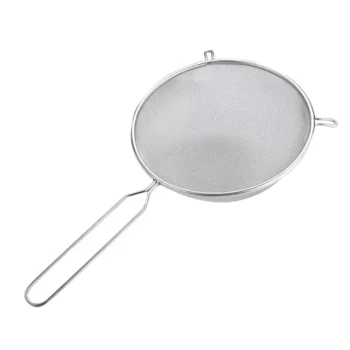
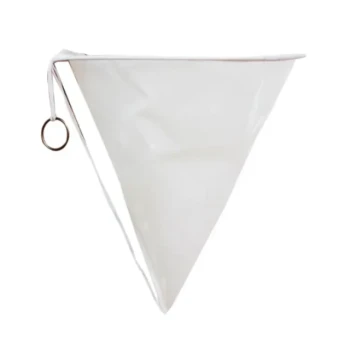
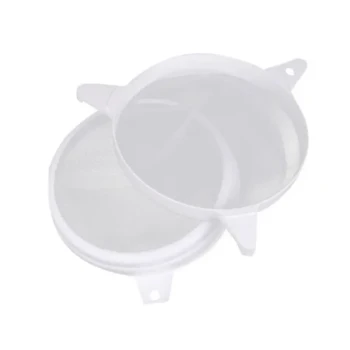
Muslin cloth acts as the final mechanical barrier in honey processing, ensuring product clarity and purity by removing physical impurities. This fine-mesh medium effectively intercepts beeswax debris, bee fragments, and environmental contaminants without altering the honey's chemical composition. By serving as a critical stage in the refining process, muslin cloth allows honey to meet the stringent hygiene and aesthetic standards required for commercial distribution and premium retail placement.
Muslin cloth is an essential consumable in honey filtration, providing a high-clarity finish while preserving the product’s natural botanical profile. For distributors, sourcing high-quality filtration media is the key to ensuring their suppliers deliver honey that meets global purity standards.
The Strategic Role of Muslin in Honey Refining
Intercepting Physical Contaminants
Muslin cloth functions as a high-precision mechanical filter that captures solid residues left over from the extraction process. These impurities typically include beeswax chips, larval debris, and bee body parts that can compromise the safety and appeal of the final product.
By acting as a physical sieve, the cloth ensures that the honey is free from visible particles. This step is vital for both manually pressed honey and industrially extracted batches that require a final "polishing" before bottling.
Enhancing Market Aesthetics and Transparency
The visual clarity of honey is a primary driver of consumer trust and market value. Muslin cloth removes the cloudiness caused by suspended wax scales and resin residues, resulting in a high-transparency liquid that glows on retail shelves.
For wholesalers, this level of clarity is a non-negotiable requirement for high-grade honey. It transforms a raw agricultural product into a refined commodity that meets the aesthetic expectations of international buyers.
Preserving Nutritional and Botanical Integrity
Unlike ultra-filtration methods that can strip honey of its beneficial properties, muslin cloth provides "coarse" to "fine" mechanical filtration. It is specifically used to remove large debris while allowing microscopic pollen grains to pass through.
This ensures the honey retains its botanical characteristics and medicinal quality. For the B2B sector, this means providing a product that is clean and hygienic yet remains "authentic" and nutritionally intact.
Operational Excellence in Consumable Sourcing
Streamlining the Supply Chain
In the high-volume honey trade, the availability of reliable filtration consumables like industrial-grade muslin is critical for maintaining production uptime. Access to one-stop sourcing for these materials allows distributors to minimize vendor complexity and reduce procurement overhead.
A robust supply chain for filtration media ensures that processing never halts due to a lack of clean cloths. This reliability is the backbone of a consistent, high-output honey operation.
Rapid Fulfillment and Global Logistics
In a fast-moving market, the ability to restock essential filtration supplies quickly is a competitive advantage. Ultra-fast delivery and efficient order fulfillment prevent bottlenecks in the refining stage, especially during peak harvest seasons.
Distributors who partner with experts in trading services benefit from professional oversight and rapid response times. This ensures that every batch of honey is processed with fresh, high-standard materials exactly when needed.
Understanding the Trade-offs and Pitfalls
Saturation and Flow Rate Limitations
While muslin is highly effective, it is prone to saturation as it intercepts debris. As the mesh fills with wax fragments, the flow rate significantly decreases, which can slow down production if the cloth is not replaced or cleaned promptly.
To maintain efficiency, large-scale operations must balance the fineness of the mesh with the volume of honey being processed. Over-filtering through a single layer can lead to "blinding" the cloth, causing unnecessary delays.
Hygiene and Reuse Risks
Using muslin cloth introduces the need for rigorous sanitation protocols if the material is reused. Improperly cleaned cloths can become a source of microbial contamination or cross-contamination between different honey varieties.
Many high-standard facilities prefer single-use, industrial-grade filter cloths to guarantee hygiene. This eliminates the risk of moisture retention in the fabric, which could otherwise lead to fermentation in the honey.
How to Apply This to Your Sourcing Strategy
Strategic Recommendations for Distributors
- If your primary focus is maximizing product clarity: Source high-thread-count, fine-weave muslin or multi-layer filter cloths to ensure all visible wax residues are removed.
- If your primary focus is operational scaling: Invest in a partner offering a comprehensive product portfolio to bundle filtration consumables with other processing hardware for better volume pricing.
- If your primary focus is maintaining "Raw" honey status: Ensure that the muslin filtration process is gravity-fed or low-pressure to avoid stripping out essential pollen and enzymes.
The right filtration media is the difference between a raw agricultural byproduct and a premium, market-ready honey that commands a top-tier price.
Summary Table:
| Key Aspect | Role in Honey Filtration |
|---|---|
| Primary Function | Acts as a high-precision mechanical barrier and final polisher. |
| Impurities Removed | Beeswax chips, larval debris, and environmental contaminants. |
| Visual Impact | Eliminates cloudiness to create high-transparency, retail-ready honey. |
| Integrity | Allows microscopic pollen to pass through, preserving nutritional value. |
| B2B Requirement | Essential consumable for maintaining hygiene and global purity standards. |
Elevate Your Honey Quality with HONESTBEE’s One-Stop Sourcing
Are you a distributor or commercial apiary looking to streamline your supply chain and maximize profit margins? HONESTBEE provides the comprehensive wholesale solutions you need to lead the market. From high-grade filtration consumables like industrial muslin to specialized honey-filling and hive-making machinery, we offer a full-spectrum product portfolio tailored for B2B excellence.
Why Partner with HONESTBEE?
- Comprehensive Sourcing: One-stop access to all beekeeping tools, machinery, and essential consumables.
- Rapid Fulfillment: Ultra-fast delivery and efficient order processing to keep your operations running smoothly.
- Professional Expertise: Dedicated customer service and deep industry knowledge to support your trading growth.
- Reliable Supply: High-standard products designed to meet global purity and certification requirements.
Ready to scale your wholesale operations with a partner you can trust? Contact us today to explore our wholesale catalog and see how we can add value to your business.
References
- Potential of Twin Key Management Practices: Higher Colony Strength and Lower Honey Extraction Frequency in Improving Honey Quality of Apis mellifera. DOI: 10.55362/ije/2024/4352
This article is also based on technical information from HonestBee Knowledge Base .
Related Products
- Nylon Honey Strainer Square Filter Cloth for Honey Filters
- Conical Nylon Honey Strainer Filter Bag for Beekeeping and Honey Filtration
- Stainless Steel Double Layer Honey Strainer Sieve Filters
- Professional Honey Filter with Tripod Support Stand
- Professional Stainless Steel Honey Filter with Support Handle
People Also Ask
- What is the significance of using professional filter cloths or sieves in honey processing? Ensure Purity and Quality
- What is the simple straining method for processing honey? A Cost-Effective Guide to Pure Extraction
- What cloth for straining honey? The Best Materials for Clean, High-Quality Honey
- What size mesh to strain honey? A Guide to the Standard Double-Sieve Method
- Why is specialized filter cloth preferred over the traditional squeezing method for wild honey? Achieve Higher Purity