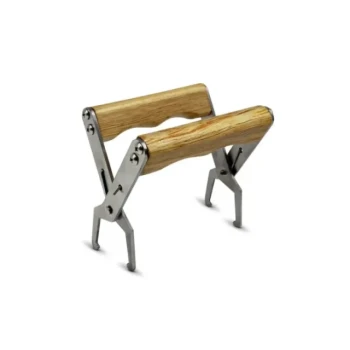
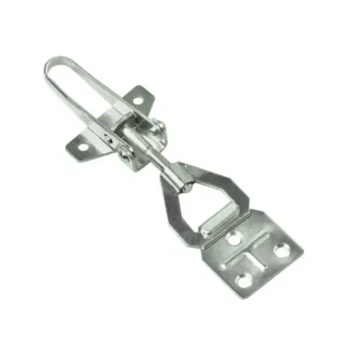
Professional transport equipment serves as the operational foundation of migratory beekeeping, acting as the primary mechanism for scaling production. It enables the flexible, efficient movement of bee colonies between geographically distinct nectar sources, such as clover or buckwheat fields, during peak bloom. By facilitating this mobility, the equipment directly drives the maximization of honey production and ensures the availability of bees for critical agricultural pollination services.
Professional transport gear transforms beekeeping from a static agricultural practice into a dynamic industrial model. It unlocks the dual economic value of high-yield honey production and commercial pollination while managing the biological risks associated with long-distance transit.
Maximizing Resource Utilization
Chasing the Bloom
The primary function of transport equipment is to decouple the hive from a single location. This allows beekeepers to follow seasonal flowering cycles across different regions. By extending the effective foraging season, operations can maintain consistent honey production levels throughout the year.
Dynamic Resource Allocation
Transport systems allow for the rapid reallocation of colonies based on real-time resource availability. This prevents the productivity dips associated with local nectar depletion. Beekeepers can bypass periods of regional scarcity by relocating hives to resource-rich zones immediately.
The Dual Economic Model
Mobility creates two distinct revenue streams: product production and service provision. While the equipment enables access to premium nectar for honey, it simultaneously positions the beekeeper to offer pollination services to farmers. This synergy creates a more robust economic foundation for the operation.
Safeguarding Colony Health
Critical Ventilation Systems
The most significant risk in migratory beekeeping is colony loss due to overheating during transit. Professional equipment integrates specialized ventilation features to dissipate heat generated by the stressed colony. Proper airflow is not a luxury; it is a survival requirement for moving hives over long distances.
Structural Stability and Fixation
Standard vehicles are often ill-equipped to handle the shifting load of live hives. Specialized transport gear includes fixation systems that secure hives against vibration and impact. This minimizes physical damage to the comb and reduces the biological stress placed on the bees during movement.
Handling and Efficiency
Industrialized beekeeping requires moving hundreds or thousands of hives efficiently. Specialized handling machinery reduces the time hives spend in transit and the physical labor required to move them. This speed is crucial for reducing the "downtime" of the colony, allowing them to return to foraging quickly.
Understanding the Trade-offs
Managing Transport Stress
Despite advanced equipment, the act of relocation inherently imposes environmental stress on honeybees. While professional gear mitigates physical damage and overheating, it cannot eliminate the stress of vibration and confinement completely. Operators must acknowledge that mobility involves a calculated risk to colony health.
The Necessity of Monitoring
Owning transport equipment does not replace the need for biological vigilance. Supplementary monitoring tools are often required to track colony health during and after moves. There is a constant balance to be struck between seeking higher yields and maintaining the long-term vitality of the hive.
Making the Right Choice for Your Goal
To select the right transport strategy, you must define your primary operational objective.
- If your primary focus is Maximum Honey Production: Prioritize equipment that offers rapid loading and unloading to minimize foraging downtime and maximize time in peak-bloom areas.
- If your primary focus is Colony Survival and Health: Prioritize vehicles with advanced active ventilation and superior suspension systems to mitigate heat and vibration stress during long hauls.
Ultimately, professional transport equipment is not just a logistical tool, but the essential hardware that allows beekeepers to synchronize their operations with the rhythm of nature.
Summary Table:
| Key Feature | Primary Benefit | Operational Impact |
|---|---|---|
| Integrated Ventilation | Prevents colony overheating | Reduces mortality during long-distance transit |
| Secure Fixation Systems | Minimizes vibration and impact | Protects hive structure and reduces bee stress |
| Rapid Loading Gear | Decreases transit downtime | Maximizes foraging time in peak bloom areas |
| Mobile Design | Accesses diverse nectar sources | Enables year-round honey production and pollination |
Scale Your Migratory Beekeeping Operation with HONESTBEE
Transitioning from a static apiary to a dynamic industrial model requires more than just hives—it requires the right infrastructure. HONESTBEE specializes in supporting commercial apiaries and distributors by providing a comprehensive range of professional beekeeping tools, machinery, and essential consumables.
Whether you need specialized hive-making machinery, high-capacity honey-filling machines, or durable hardware designed for the rigors of transport, we deliver the quality you need to maximize your yield. Let us help you synchronize your operation with nature’s peak blooms while safeguarding your colony’s health.
Ready to upgrade your equipment? Contact us today to explore our wholesale solutions!
References
- R.А. Mannapova, Zariya Zalilova. CALCULATION OF THE COST OF BIOLOGICAL ACTIVES BEEKEEPING PRODUCTS AS AN INSTRUMENT OF CONTROL. DOI: 10.17513/fr.40308
This article is also based on technical information from HonestBee Knowledge Base .
Related Products
- Plastic Transporting Bee Packages and Nuc Boxes for Beekeeping
- Professional Queen Bee Introduction and Transport Cage
- Professional 600D Oxford Cloth Beekeeping Tool Bag with 8 Pockets and Elastic Loops
- Professional Queen Cage with Sliding Gate and Feeder Plug
- JZBZ Style Professional Battery Box with 20 Shipping Cages
People Also Ask
- What role do bee package boxes play in the commercial transport and expansion of honeybee colonies? - Logistic Essentials
- What are beekeeping boxes called? A Guide to Hive Bodies and Box Types
- How do standardized bee packages serve as a recovery mechanism for commercial beekeeping? Ensure Business Continuity
- What is the commercial value of using standardized bee packages? Drive Scalability in Large-Scale Apiaries
- Why is the timely introduction of high-quality bee packages critical? Save Your Apiary from Asian Hornet Invasions