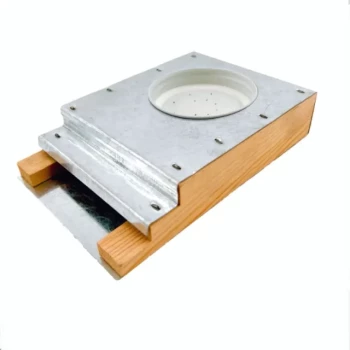
Automatic bee feeders and professional watering devices serve as critical life support systems during dry seasons by artificially stabilizing the hive's resource intake. When natural nectar is scarce, feeders provide essential sugar syrup supplements, while watering devices ensure the hydration necessary for temperature regulation and biological function, directly preventing colony starvation, absconding, and death.
Core Insight: By automating the delivery of water and nutrition, you effectively reduce the biological tax on the colony. These devices transform a survival situation into a manageable environment, allowing bees to conserve energy rather than exhausting themselves foraging for scarce resources.
The Role of Automatic Feeders
Combating Nectar Scarcity
During dry seasons, natural nectar sources often disappear, leading to a caloric deficit within the hive. Automatic feeders bridge this gap by delivering sugar syrup supplements directly to the colony.
Preventing Starvation and Absconding
When resources hit critical lows, colonies may either starve or attempt to "abscond"—abandoning the hive to find better resources. Reliable feeding mechanisms act as a safeguard, keeping the colony anchored and nourished.
The Critical Function of Watering Devices
Regulating Hive Temperature
Bees rely heavily on water to cool the hive through evaporation. Professional watering devices and sprayers ensure a constant supply of hydration, allowing the colony to regulate internal temperatures even during extreme external heat.
Supporting Brood Rearing
Water is not just for cooling; it is biologically essential for raising the next generation. As noted in technical observations, bees require significant hydration for brood rearing. A lack of water during a drought can cause the queen to stop laying or the workers to cannibalize the brood.
Stabilizing the Microclimate
Sprayers and waterers help maintain the specific humidity levels required inside the hive. This stabilization of the internal microclimate improves overall survival rates by reducing the environmental stress on individual bees.
Efficiency and Energy Conservation
Reducing Foraging Workload
In a drought, bees normally expend massive amounts of energy flying long distances to find water. Artificial sources provided at the hive significantly reduce this workload.
Preserving Colony Energy
By eliminating the need for long-range water foraging, the colony can redirect its limited energy toward maintaining the hive and protecting the queen. This energy conservation is often the deciding factor between a colony that collapses and one that survives.
Understanding the Trade-offs
Maintenance Requirements
While these devices save bees, they require human vigilance. Feeders and waterers must be kept clean to prevent the spread of mold or pathogens, which can thrive in warm sugar syrup or stagnant water.
Dependency Risks
Over-reliance on artificial feeding without monitoring natural blooms can mask the actual state of local forage. These tools are supplements for scarcity, not permanent replacements for a diverse natural habitat.
Making the Right Choice for Your Goal
To maximize colony productivity during a dry season, align your equipment choice with your specific hive conditions:
- If your primary focus is preventing colony starvation: Prioritize automatic feeders with sugar syrup to replace the caloric intake lost from dried-up nectar sources.
- If your primary focus is brood viability and cooling: Prioritize watering devices and sprayers to stabilize humidity and lower hive temperatures.
The most resilient colonies are those where the beekeeper anticipates resource gaps and fills them before the hive's energy reserves are depleted.
Summary Table:
| Feature | Main Function | Impact on Colony Survival |
|---|---|---|
| Automatic Feeders | Supplies sugar syrup supplements | Prevents starvation and hive absconding during nectar dearth. |
| Watering Devices | Provides constant hydration | Enables evaporative cooling and stabilizes hive microclimate. |
| Sprayers | Humidity regulation | Supports brood rearing and prevents cannibalization of larvae. |
| Energy Conservation | Reduces foraging flight distance | Conserves worker energy for hive maintenance and protection. |
Maximize Your Apiary's Resilience with HONESTBEE
Don't let dry seasons devastate your productivity. At HONESTBEE, we specialize in supporting commercial apiaries and distributors with high-performance beekeeping tools and machinery. From precision automatic feeders and watering systems to specialized honey-filling machines and hive-making equipment, we provide the full spectrum of hardware and consumables needed to scale your operations.
Our expert-grade solutions are designed to reduce biological stress on your colonies and streamline your workflow. Contact us today to discover how our comprehensive wholesale offerings can protect your bees and grow your business.
References
- Gashaw Enbiyale. Assessment of Honey Production System, Constraints and Opportunities in Ethiopia. DOI: 10.15406/ppij.2018.06.00153
This article is also based on technical information from HonestBee Knowledge Base .
Related Products
- HONESTBEE Entrance Bee Feeder Efficient Hive Front Liquid Feeding Solution for Beekeeping
- HONESTBEE Professional Hive Top Bee Feeder Feeding Solution
- Boardman Entrance Bee Feeder Durable Galvanized Steel and Wood Construction for Beekeeping
- Automatic High-Speed Bee Hive Box Stapling Machine
- Classic Boardman Entrance Bee Feeder Hive Front Feeding Solution
People Also Ask
- What types of bee feeders are available for beginners? Start with the Simple Entrance Feeder
- What are the advantages and disadvantages of using an entrance feeder for bees? Balance Convenience and Hive Security.
- What is a bee entrance feeder and what are its drawbacks? Essential Guide to Hive Security and Feeding Efficiency
- How does a bee entrance feeder work? A Simple Guide to Convenient Hive Feeding
- How to make an entrance feeder for bees? A DIY Guide for Safe & Effective Feeding