Industrial-grade protective clothing and smoke auxiliary equipment function as the critical safety and control systems during the field collection of honey samples. The clothing acts as an immediate physical barrier to prevent bee attacks, while smoke equipment chemically disrupts the colony's defensive communication. Together, they enable a secure extraction process that preserves the original state of the honey sample by minimizing external chaos.
While protective gear ensures the physical security of the operator, smoke auxiliary equipment is essential for the behavioral management of the hive. By suppressing defensive instincts and sedating the colony, these tools prevent the agitation that can lead to sample contamination and operational errors.
The Role of Protective Barriers
Establishing Operator Isolation
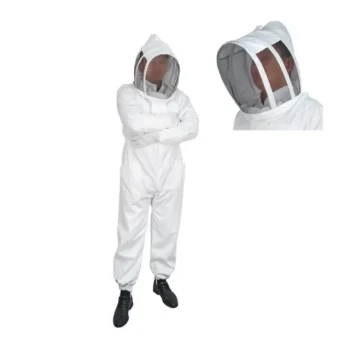
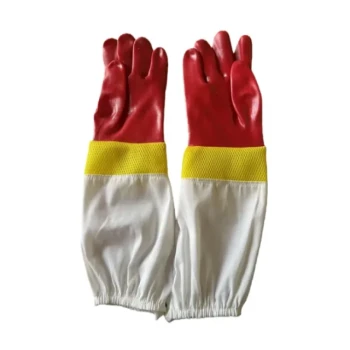
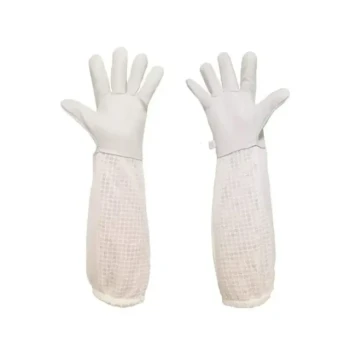
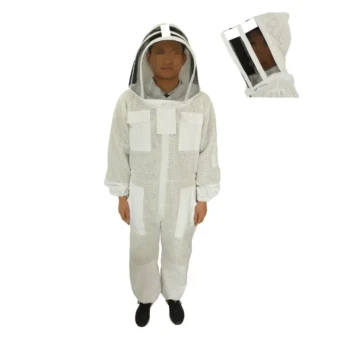
Industrial-grade protective clothing provides a robust physical barrier for the operator. Its primary function is to block direct contact with the bee swarm, effectively preventing stings and physical attacks.
Enabling Precise Operation
By eliminating the fear of injury, this equipment allows the operator to focus entirely on the collection protocols. This focus is vital for handling sterile sampling containers without error, ensuring the safety of the collection process.
The Mechanism of Smoke Auxiliary Equipment
Disrupting Alarm Pheromones
Smoke equipment plays a chemical role by generating smoke that interferes with the colony's alarm pheromones. This interruption prevents the rapid spread of defensive signals throughout the hive, stopping an aggressive chain reaction before it begins.
Inducing Colony Sedation
The presence of smoke triggers an instinctual response in bees to consume honey. This feeding behavior puts the bees into a sedated state, significantly reducing their activity levels and aggression.
Preserving Sample Authenticity
By sedating the bees, the equipment prevents the chaos that typically accompanies a hive intrusion. This ensures that the original honey samples are collected without external interference or cross-contamination caused by agitated bees or frantic operator movements.
Operational Efficiency and Trade-offs
Improving Yield and Purity
The combined use of professional tools and PPE minimizes disturbance and damage to the bee colonies during harvesting. This scientific approach allows for more frequent management and leads to higher unit yields and improved product purity.
The Necessity of Integrated Use
Relying on clothing alone offers physical protection but fails to manage the hive's behavior, leading to increased stress for the colony. Conversely, relying solely on smoke without protective gear exposes the operator to unavoidable risks. Both must be used in tandem to ensure operational convenience and data integrity.
Making the Right Choice for Your Goal
To ensure the highest quality of field data and operator safety, apply these principles:
- If your primary focus is Operator Safety: Prioritize high-quality industrial-grade clothing to create an infallible physical barrier against aggressive swarms.
- If your primary focus is Sample Integrity: Utilize smoke auxiliary equipment precisely to mask pheromones, ensuring the colony remains calm and the sample remains undisturbed by defensive activity.
By mastering the interplay between physical protection and behavioral control, you guarantee that the honey collected accurately reflects the specific characteristics of the source without external distortion.
Summary Table:
| Equipment Type | Primary Role | Core Mechanism | Impact on Sample Integrity |
|---|---|---|---|
| Protective Clothing | Physical Barrier | Blocks bee stings & provides operator isolation | Allows focus on sterile protocols without distraction |
| Smoke Equipment | Behavioral Control | Disrupts pheromones & induces colony sedation | Prevents agitation and cross-contamination from defensive bees |
| Integrated System | Operational Security | Combines physical protection with chemical suppression | Guarantees high yield, purity, and data accuracy |
Elevate Your Commercial Beekeeping Operations with HONESTBEE
At HONESTBEE, we understand that professional beekeeping requires precision, safety, and efficiency. Whether you are a commercial apiary looking to optimize honey purity or a distributor seeking high-quality equipment, we provide the industrial-grade solutions you need.
Our comprehensive portfolio includes:
- Advanced Protective Gear: Engineered for maximum isolation and operator focus.
- Precision Machinery: From specialized hive-making tools to high-efficiency honey-filling machines.
- Beekeeping Equipment: A full spectrum of durable tools and essential industry consumables.
Partner with us to enhance your yield and secure your operations. Contact HONESTBEE today to discuss how our wholesale solutions can support your business growth.
References
- Godfred Darko, Lawrence Sheringham Borquaye. Pesticide Residues in Honey from the Major Honey Producing Forest Belts in Ghana. DOI: 10.1155/2017/7957431
This article is also based on technical information from HonestBee Knowledge Base .
Related Products
- All-Weather Plastic Bellows for Bee Smokers
- Premium Cowboy Beekeeper Hat with Visibility Veil Outdoor Professional Beekeeping Protective Gear
- Premium Cotton Beekeeper Suit with Reinforced Fencing Veil
- Stainless Steel Honey Bee Smoker Hive and Honeycomb Smoker for Beekeeping
- Professional Square Folding Wire Mesh Beekeeping Veil
People Also Ask
- How do bee smokers equipped with bellows contribute to colony management? Master Pheromone Control for Healthier Hives
- What are the mechanical principles and functions of a Bellows Smoker? Master Bee Calming for Hive Safety
- What are bee smokers made out of? Choose the Right Material for Your Apiary
- Why is a bee smoker considered an essential auxiliary tool? Boost Safety and Efficiency in Honey Harvesting
- What is the technical necessity of using bee smokers? Essential Tools for Safe and Efficient Hive Management