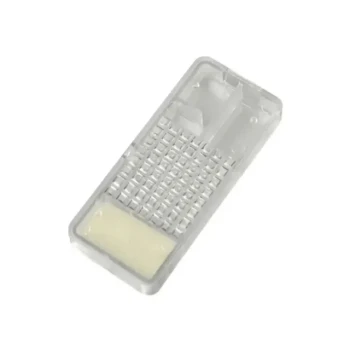
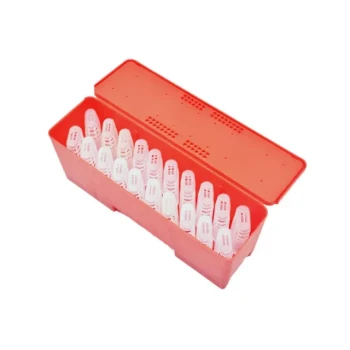
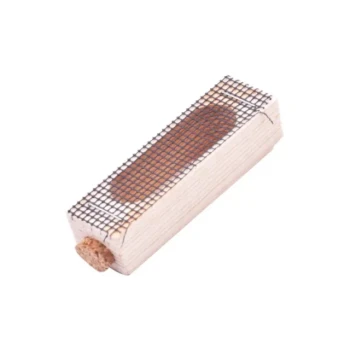
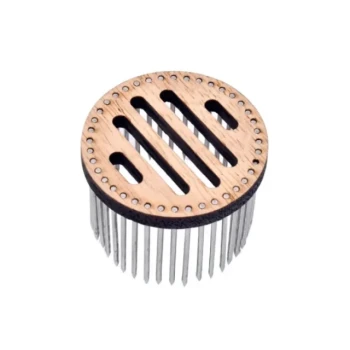
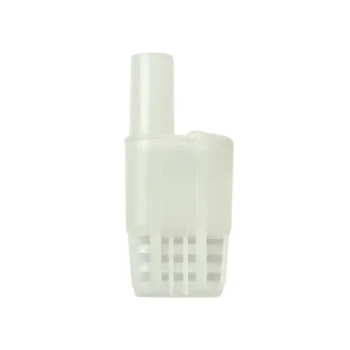
For the integrity of biological samples, small bee cages provide the necessary ventilation and physical space to ensure survival, while sugar powder serves as a critical energy source. This combination is essential for transporting Apis cerana across regions, as it keeps the bees alive to prevent the degradation of pathogen nucleic acids.
The viability of the bee during transport is the single most important factor for accurate pathogen analysis. By maintaining live samples through proper ventilation and nutrition, researchers prevent the biological degradation that obscures the true health status of the colony.
The Physical and Nutritional Support System
To understand why this specific equipment is used, one must look at the physiological needs of the bee during high-stress transit.
The Function of the Small Bee Cage
The primary role of the cage is to provide a controlled physical environment. It secures the sample while allowing for necessary movement.
Crucially, these cages provide ventilation. Without adequate airflow, the stress of confinement and temperature fluctuations during cross-regional travel would lead to rapid mortality.
The Criticality of Sugar Powder
Apis cerana, like all honey bees, has high metabolic requirements. They cannot survive long periods without a carbohydrate source.
Sugar powder acts as this essential energy source. It sustains the bee's metabolism throughout the journey, preventing starvation and ensuring the bee remains alive upon arrival at the laboratory.
The Biological Necessity of Live Transport
The ultimate goal of using cages and sugar is not merely logistical; it is to preserve the chemical integrity of the sample.
Preventing Nucleic Acid Degradation
The reliability of laboratory testing often hinges on the quality of genetic material.
When a bee dies, its biological tissues begin to break down immediately. This leads to the degradation of pathogen nucleic acids, rendering the sample useless for sensitive molecular diagnostics.
Reflecting True Colony Health
To gain an accurate snapshot of the colony, the sample must remain biologically stable.
By keeping the bees alive, researchers ensure the samples provide viable data. This allows the laboratory to assess the health status of the colony without the interference of post-mortem decay.
Understanding the Risks of Improper Transport
While this method is effective, it highlights the fragility of biological sampling. Understanding the consequences of failure is vital.
The Cost of Premature Death
If the ventilation fails or the sugar source is insufficient, the bees will die before reaching the lab.
This results in "false negatives" or inconclusive data. The degradation of genetic markers in dead bees means that pathogens present in the colony may go undetected, compromising the entire study.
Making the Right Choice for Your Research
To ensure your cross-regional sampling yields actionable data, you must prioritize sample viability above all else.
- If your primary focus is accurate pathogen detection: Ensure the sugar powder supply is sufficient for the entire duration of the trip to prevent nucleic acid degradation.
- If your primary focus is sample logistics: select cages that balance minimal physical footprint with maximum ventilation to reduce transit stress.
The success of your laboratory analysis is determined the moment you secure the bees in their cages, not when they arrive at the bench.
Summary Table:
| Component | Primary Role | Key Benefit |
|---|---|---|
| Small Bee Cage | Physical Containment & Ventilation | Prevents heat stress and physical damage during transit. |
| Sugar Powder | Sustained Energy Source | Maintains bee metabolism to prevent starvation and death. |
| Live Transport | Biological Preservation | Prevents the degradation of pathogen nucleic acids for accurate testing. |
| Proper Airflow | Temperature Regulation | Reduces confinement stress during long-distance shipping. |
Maximize Your Colony Health & Research Accuracy with HONESTBEE
For commercial apiaries, distributors, and researchers, the quality of your equipment determines the success of your biological data. HONESTBEE provides a comprehensive range of professional beekeeping tools, specialized hardware, and essential consumables designed for the rigors of the industry. From high-ventilation transport cages to advanced honey-filling machines, our portfolio supports every stage of your operation.
Ready to upgrade your wholesale supply or apiary equipment?
Contact us today to explore our full spectrum of beekeeping solutions and see how our expertise can drive your business forward.
References
- Jilian Li, Yanping Chen. The Prevalence of Parasites and Pathogens in Asian Honeybees Apis cerana in China. DOI: 10.1371/journal.pone.0047955
This article is also based on technical information from HonestBee Knowledge Base .
Related Products
- Professional Queen Bee Introduction and Transport Cage
- Professional Queen Cage with Sliding Gate and Feeder Plug
- Plastic Transporting Bee Packages and Nuc Boxes for Beekeeping
- JZBZ Style Professional Battery Box with 20 Shipping Cages
- Professional Multi-Compartment Queen Cage with Sliding Lid
People Also Ask
- Why are specialized queen bee cages used for the banking of mated queen bees? Maximize Commercial Apiary Storage Efficiency
- What is the mechanism of action for using temporary queen bee cages? Master Successful Queen Introduction
- How is a queen bee released from a queen cage? Ensure Safe Colony Integration & Hive Success
- What materials are required to install a queen bee's cage into a hive? Essential Tools for Successful Queen Integration
- How long should a queen bee stay in the cage before being released? Ensure a Successful Introduction