Standardized storage containers are the logistical and metrological backbone of the global honey trade. They function as the essential hardware for collection, long-distance transport, and commercial measurement, ensuring honey remains free from environmental contaminants. By providing uniform volume specifications, these containers serve as legal metrological standards that guarantee transparency and accuracy during trade settlement and inventory handover.
Standardized containers bridge the gap between remote apiaries and global markets by ensuring product safety, logistical efficiency, and transparent inventory management. For distributors and wholesalers, these containers are not just packaging; they are critical tools for maintaining honey quality and maximizing economic returns through efficient supply chain regulation.
Ensuring Product Integrity and Quality Control
Protection from Environmental Contaminants
Standardized containers, such as food-grade honey pots and buckets, act as a primary barrier against external impurities and moisture. This isolation is critical because honey is hygroscopic and can easily absorb water from the air, leading to fermentation and spoilage.
Preservation of Bioactive Compounds
High-quality, standardized storage allows for controlled environments that shield honey from light and temperature fluctuations. This prevents the increase of hydroxymethylfurfural (HMF) levels, ensuring the natural enzymes and nutritional content remain intact until the product reaches the end consumer.
Chemical Migration Prevention
Utilizing standardized, food-grade materials ensures that there is no chemical migration from the container to the honey. This compliance with safety standards is a prerequisite for entering high-end markets and maintaining the "pure" status of the product.
Optimizing Logistical and Distribution Efficiency
Rapid Fulfillment and Handling
Standardized dimensions allow for the use of specialized stacking equipment, which significantly improves warehouse space utilization. For wholesalers, this uniform design translates to faster loading times, reduced breakage rates, and ultra-fast delivery capabilities.
Traceability and Supply Chain Transparency
In contract-based production models, standardized containers serve as the baseline for product identification and tracking. This consistency allows distributors to maintain rigorous traceability records, meeting the strict quality standards required by commercial processors and regulatory bodies.
Strategic Inventory Management
Standardized hardware enables distributors to regulate the supply chain by storing honey safely during off-harvest seasons. This capability allows businesses to select the most profitable market timing for sales rather than being forced to sell immediately after harvest.
Facilitating Commercial Trade and Market Entry
Metrological Standards for Trade Settlement
Because these containers follow uniform volume specifications, they act as a reliable "legal meter" for wholesale transactions. This eliminates disputes during handover and ensures that inventory counts are accurate across the entire distribution network.
Segmentation of Bulk and Retail Markets
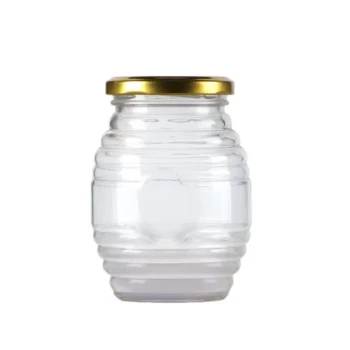
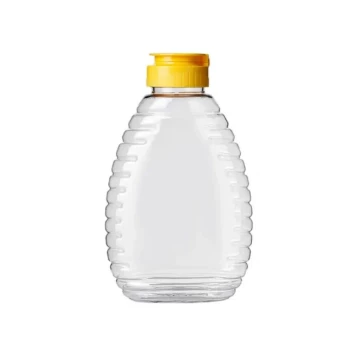
The use of different standardized sizes—such as 4-liter plastic containers for bulk trade and smaller jars for retail—allows distributors to segment their offerings. This professional presentation increases the perceived market value and ensures the product is ready for immediate placement in various retail environments.
Understanding the Trade-offs
Material Selection vs. Durability
While plastic containers are lightweight and cost-effective for rapid shipping, they may not offer the same long-term durability as tin drums for multi-year storage. Distributors must balance the lower shipping costs of plastic against the superior barrier properties of metal or glass.
Standardization vs. Storage Footprint
Standardized 4-liter containers are excellent for manual handling but may require specific palletizing strategies to maximize shipping container density. Inefficient stacking of non-uniform "standard" containers can lead to wasted vertical space in temperature-controlled facilities.
Upfront Cost vs. Long-term Profitability
Investing in premium, standardized food-grade containers represents a higher initial expense compared to generic alternatives. However, this cost is offset by the reduction in product loss due to contamination and the ability to command higher prices in regulated markets.
How to Apply This to Your Distribution Strategy
Distributors and wholesalers should align their container choices with their specific logistical goals and target market requirements.
- If your primary focus is bulk logistics and rapid fulfillment: Prioritize standardized 4-liter plastic containers for their durability, leak prevention, and ease of handling during high-volume transport.
- If your primary focus is high-end market entry and branding: Invest in smaller, retail-ready glass or premium plastic jars that meet strict food-safety certifications and offer professional aesthetic appeal.
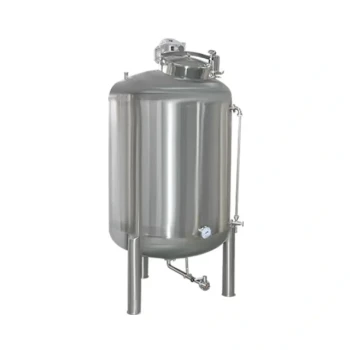
- If your primary focus is long-term storage and price speculation: Utilize specialized, airtight metal drums stored in temperature-controlled environments to prevent HMF increase and preserve biological activity.
By integrating standardized storage solutions into your operations, you ensure a transparent, efficient, and high-quality supply chain that protects both the product and your bottom line.
Summary Table:
| Key Role | Main Benefit | Impact on Supply Chain |
|---|---|---|
| Product Integrity | Protection from moisture & HMF | Maintains premium quality & bioactive enzymes |
| Logistics Efficiency | Standardized stacking & handling | Faster fulfillment, lower breakage & rapid delivery |
| Trade Metrology | Uniform volume & weight specs | Accurate inventory tracking & dispute-free settlement |
| Market Segmentation | Flexible sizing (Bulk vs. Retail) | Higher perceived value & targeted sales strategies |
Streamline Your Honey Distribution with HONESTBEE
Are you looking to optimize your supply chain efficiency and maximize profit margins? HONESTBEE is your premier partner for one-stop sourcing in the apiculture industry. We provide a comprehensive wholesale portfolio—from food-grade storage containers and honey-filling machines to specialized hive-making equipment and industry consumables.
Our team caters specifically to distributors, wholesalers, and B2B resellers with a commitment to:
- Deep Industry Expertise: Professional guidance on metrological standards and food safety.
- Rapid Fulfillment: Ultra-fast delivery and efficient order processing to keep your stock moving.
- Comprehensive Support: Dedicated customer service and premium OEM/ODM capabilities.
Elevate your brand and secure your supply chain reliability today. Contact us now to explore our full-spectrum product range!
References
- Walter Wenzel. Hinweise auf Waldbienenzucht in sorbischen Orts- und Personennamen. DOI: 10.59195/lp.2010.57-185
This article is also based on technical information from HonestBee Knowledge Base .
Related Products
- Stainless Steel Honey Storage Tank with Lid for Honey
- Hexagonal Glass Honey Jar with Wooden Lid Integrated Dipper Elegant Functional Storage
- Hexagonal Glass Honey Jars with Metal Lug Caps Elegant Versatile Packaging
- Stainless Steel Honey Storage and Settling Tank with Double Strainer
- Professional Honey Storage Tank with Agitation System
People Also Ask
- What economic role do honey storage tanks play? Boost Your Revenue Through Strategic Inventory Management
- What roles do industrial honey storage tanks and filtration meshes play in processing? Ensure Purity & Consistency
- What is the purpose of a honey storage tank? Streamline Your Honey Processing for Quality & Efficiency
- What are honey storage tanks used for? Essential Features for Quality Preservation and Profit
- How do large honey storage tanks and gravity fall filling systems improve honey packaging efficiency and safety?