Immediately after installation, a new bee colony must be fed sugar water to provide essential energy, and potentially a pollen patty to supply the protein needed for brood production. Sugar water is critical because it mimics nectar, giving the bees the high-calorie fuel required to secrete wax and build comb rapidly. Without this artificial food source, the colony may struggle to build the infrastructure needed to lay eggs and store resources, especially since new colonies often lack a sufficient workforce to forage effectively.
Core Takeaway A new colony is vulnerable because it lacks both physical infrastructure (comb) and a full workforce. You must bridge this gap by providing sugar syrup for energy (wax production) and pollen for protein (brood rearing) until the hive establishes a self-sufficient reserve of approximately 10 frames of honey.
The Physiology of Hive Establishment
Fueling the Construction Crew
The primary immediate goal of a new colony is comb construction.
Bees cannot raise brood or store food without drawn comb. Secreting the wax necessary to build this comb is an extremely energy-intensive process.
Sugar water (sugar syrup) provides a concentrated, easily accessible source of carbohydrates. This allows the bees to generate the caloric energy needed to produce wax and build out the hive's interior quickly.
Supporting the Next Generation
While sugar provides energy, pollen provides the building blocks for life.
Pollen is the colony's primary source of protein, which is biologically required to raise larvae (brood). Without sufficient protein, the queen's egg-laying potential is wasted because the nurse bees cannot feed the developing larvae.
Providing a pollen patty ensures that brood rearing can continue uninterrupted, even if local pollen sources are scarce due to early spring conditions or weather.
Overcoming the "Forager Gap"
The Workforce Deficit
A newly installed colony or split suffers from a labor shortage.
As noted in the supplementary data, these colonies often lack a sufficient number of older, foraging bees. The bees that are present must be divided between nursing the brood, guarding the hive, and building comb.
Reducing the Workload
Feeding the colony acts as a form of "outsourcing" for resource gathering.
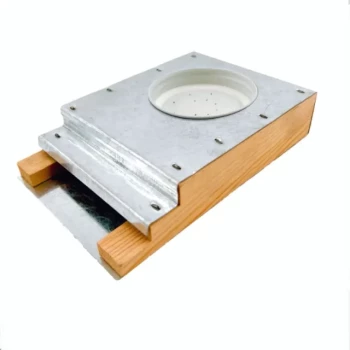
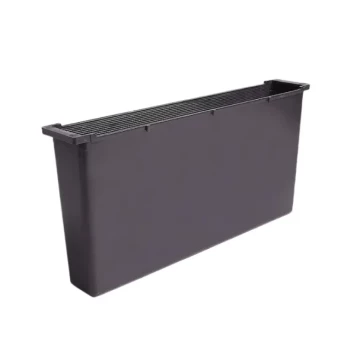
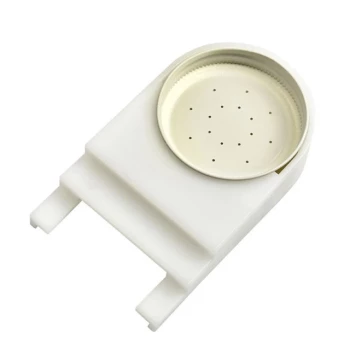
By placing a feeder directly in or on the hive, you eliminate the need for the limited number of bees to fly long distances to find nectar. This conserves the colony's energy and allows the workforce to focus almost entirely on internal expansion and stabilization.
Understanding the Trade-offs
The Risk of Premature Weaning
The most common error is stopping the feeding regimen too early.
If you remove the food source before the colony has established a "pantry," they may starve during a sudden dearth (a period of no nectar flow).
The feeding must continue until the colony has demonstrated self-sufficiency. This is defined as having filled at least 10 medium frames (or the equivalent) with stored honey.
Monitoring is Essential
Blindly feeding without inspection can lead to missed signals.
You must regularly inspect the hive to monitor brood development and honey storage. If the colony is growing slowly, the intake of sugar and pollen becomes even more critical. Conversely, you must ensure they are actually consuming what you provide and that the colony remains healthy.
Making the Right Choice for Your Goal
To ensure your colony survives its first season, tailor your feeding strategy to the specific condition of the hive and the environment.
- If your primary focus is rapid comb production: Prioritize consistent sugar water feeding via an entrance or internal feeder to fuel wax secretion.
- If your primary focus is population growth: Add a pollen patty to the feeding regimen, especially if installing in early spring or late fall when natural pollen is scarce.
- If your primary focus is transitioning to independence: Continue feeding until you verify the bees have filled 10 medium frames with honey, then taper off to encourage natural foraging.
Feeding a new colony is not just about preventing starvation; it is an investment in the infrastructure required for a thriving, productive hive.
Summary Table:
| Supplement Type | Primary Benefit | Key Goal | Frequency/Duration |
|---|---|---|---|
| Sugar Syrup | High carbohydrate energy | Fueling wax secretion & comb building | Until 10 medium frames of honey are stored |
| Pollen Patty | Essential proteins & minerals | Supporting brood rearing & population growth | During early spring, late fall, or nectar dearths |
| Internal Feeder | Resource accessibility | Reduces foraging labor for young colonies | Throughout the initial establishment phase |
Scale Your Apiary Success with HONESTBEE
Building a productive apiary starts with the right nutrition and professional-grade equipment. At HONESTBEE, we empower commercial apiaries and distributors by providing a comprehensive wholesale range of beekeeping solutions.
Whether you need precision honey-filling machines, durable hive-making machinery, or high-quality consumables for colony maintenance, we deliver the tools you need to maximize efficiency. Partner with us to access specialized hardware and honey-themed cultural merchandise designed for the modern beekeeping industry.
Ready to elevate your beekeeping business? Contact us today to explore our wholesale catalog!
Related Products
- In-Hive Dual Compartment Frame Bee Feeder for Targeted Colony Nutrition
- Boardman Entrance Bee Feeder Durable Galvanized Steel and Wood Construction for Beekeeping
- Rapid Bee Feeder White Plastic 2L Round Top Feeder for 8 or 10-Frame Bee Hives
- HONESTBEE Entrance Bee Feeder Efficient Hive Front Liquid Feeding Solution for Beekeeping
- Professional Hive Front Entrance Bee Feeder
People Also Ask
- What are the advantages of using a frame feeder for bee colonies? Boost Growth and Prevent Robbing Efficiently
- Why should sugar syrup or dry sugar not be left out in the open when feeding bees? Avoid a Dangerous Feeding Frenzy
- What precautions should be taken when feeding bees inside the hive? Safeguard Your Colony from Robbing and Leaks
- How do in-hive feeders support honey bee colonies during autumn? Ensure Overwintering Success for Your Apiary
- What are the advantages of in-hive feeders vs external methods? Boost Colony Health with Precise Spring Feeding