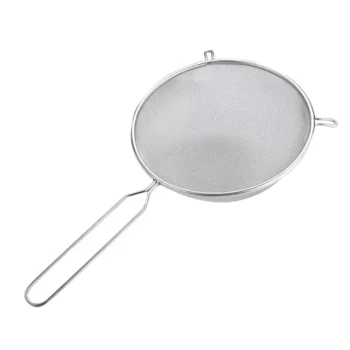
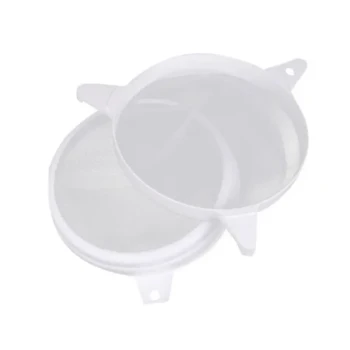
A honey filtration system is designed to eliminate physical contaminants that compromise the product's safety and visual appeal. By utilizing multi-layered filter media, the system specifically targets and removes impurities such as bee remains, dust particles, and wax debris, ensuring the honey is physically pure before it reaches the final packaging stage.
While raw honey is naturally variable, commercial packaging requires consistency and safety. Filtration serves as the definitive quality control checkpoint, bridging the gap between raw extraction and a consumer-ready product by ensuring compliance with strict food safety standards.
The Mechanics of Impurity Removal
Targeting Macro Contaminants
The primary function of the filtration system is the physical separation of larger debris. This includes organic matter inherent to the extraction process, such as bee remains and wax debris.
Removing these elements is non-negotiable for commercial products. It ensures the texture remains smooth and prevents foreign objects from entering the jar.
Eliminating Fine Particulates
Beyond visible debris, the system addresses microscopic issues. It filters out dust particles that may have settled during extraction or transport.
This level of fine filtration is essential for high-grade honey. It prevents cloudiness and ensures the product maintains a polished, professional appearance.
Quality Control and Consumer Experience
Meeting Food Safety Standards
Filtration acts as a critical quality control point in the production line. By mechanically removing potential contaminants, producers ensure the final product meets rigorous food safety regulations.
This process provides an audit trail for purity. It guarantees that every batch packaged is safe for human consumption and free of hazardous physical impurities.
Enhancing Sensory Quality
The consumer's perception of honey is driven by sight and mouthfeel. Filtration directly enhances the sensory quality of the honey by ensuring high clarity.
A properly filtered product looks cleaner on the shelf. It also ensures a consistent, grit-free texture that consumers expect from premium brands.
Operational Context and Limitations
Filtration vs. Heat Treatment
It is vital to distinguish between physical filtration and thermal processing. While filtration removes solids, it does not inherently manage the honey's state of matter.
As noted in broader processing contexts, controlled heat treatment is a separate step required to revert crystallized honey to a liquid state. While filtration cleans the honey, heat ensures the fluidity required for automated filling and extends shelf life by delaying re-crystallization.
Balancing Purity and Enzymes
Effective processing requires a balance. The goal is to filter out impurities without stripping the honey of its character.
Similarly, any accompanying heat treatment must be carefully controlled to avoid damaging nutritional enzymes or aromatic components. The filtration system focuses on physical purity, while the thermal system focuses on viscosity and stability.
Making the Right Choice for Your Goals
To optimize your honey processing line, you must align your equipment with your specific quality objectives:
- If your primary focus is Physical Purity and Safety: Prioritize a multi-layered filtration system to remove wax, bee parts, and dust to meet regulatory standards.
- If your primary focus is Shelf Life and Packaging Efficiency: Ensure your line includes a de-crystallization unit to maintain liquidity and fluidity during the filling process.
By strictly separating physical contaminants from the liquid gold, filtration transforms raw harvest into a trusted, consumer-ready staple.
Summary Table:
| Contaminant Type | Examples Removed | Benefit to Final Product |
|---|---|---|
| Macro Contaminants | Bee remains, wax debris | Improves texture and prevents foreign objects in jars. |
| Fine Particulates | Dust, microscopic debris | Eliminates cloudiness and ensures professional polish. |
| Safety Hazards | Organic & inorganic debris | Guarantees compliance with food safety regulations. |
| Sensory Issues | Grit and impurities | Enhances mouthfeel and consumer visual appeal. |
Elevate Your Honey Production Standards with HONESTBEE
Transitioning from raw harvest to a premium, shelf-ready product requires precision. At HONESTBEE, we specialize in empowering commercial apiaries and distributors with high-performance beekeeping tools and industrial machinery. Whether you need advanced multi-layered filtration systems, specialized honey-filling machines, or a full range of industry consumables, we provide the hardware necessary to scale your operations.
Why partner with HONESTBEE?
- Wholesale Excellence: Competitive pricing on full-spectrum beekeeping equipment.
- Industrial Precision: Reliable machinery designed for consistency and food safety compliance.
- End-to-End Solutions: From hive-making to final packaging and cultural merchandise.
Ready to optimize your processing line for maximum purity and efficiency? Contact us today to discuss your wholesale needs and see how our expertise can grow your brand.
References
- Veli Öztürk, Mehmet Turgut. Bal Üreten İşletmelerde Maliyet Analizi, Türkiye Muhasebe Standartları Açısından İncelenmesi ve Maliyet Belirleme Üzerine Bir Örnek Uygulama (Cost Analysis of Honey Producing Property, Investigation of Turkey Accounting Standards and A Case Study on Cost . DOI: 10.20491/isarder.2016.171
This article is also based on technical information from HonestBee Knowledge Base .
Related Products
- Electric Double Wall Honey Filtering Machine Purifier Equipment for Honey Processing Plant
- Professional Stainless Steel Honey Filtering Machine with Water Bath Heating for Beekeeping
- Professional Honey Filter with Tripod Support Stand
- Professional Stainless Steel Honey Filter with Support Handle
- 0.5T Capacity Honey Dehumidifier Dryer with Vacuum Heating and Thickening Filtering Machine
People Also Ask
- What is the process of filtering honey? A Guide to Clean, Pure, and Market-Ready Honey
- What types of equipment are used in honey filtering? Build an Efficient System for Pure, Marketable Honey
- What is the overall importance of using the right equipment in honey filtering? Boost Quality & Marketability
- How should honey filtering equipment be properly maintained? Extend Equipment Life & Protect Honey Purity
- What is a potential concern associated with filtering honey? Balancing Clarity and Pollen Preservation