Production of cut-comb honey requires distinct deviations from standard apiary management, primarily concerning frame preparation and harvest technique. You must strictly avoid using wires or plastic foundations, allowing bees to draw wax naturally, and harvest by cutting uniform sections directly from the frame once fully capped.
Core Takeaway To produce marketable cut-comb honey, you must utilize frames without wires or reinforced foundations to ensure the entire comb is edible. Success depends on precise timing to harvest fully capped frames and careful processing to drain excess honey before packaging.
Hive Setup and Frame Preparation
Eliminating Structural Reinforcements
To produce cut-comb honey, you must avoid using wires or plastic foundation in your frames. Since the final product includes the wax for consumption, inedible structural supports cannot be used.
Encouraging Natural Construction
Beekeepers should allow bees to draw out the wax comb naturally from scratch. While you should use standardized hives and frames to provide a regular nesting space, the interior of the frame must remain open or use only a wireless wax starter.
Ensuring Uniformity
Standardized frames guide the colony to build within a preset framework. This management practice ensures the honeycomb has a uniform appearance, which is critical for facilitating clean cuts and fitting commercial packaging dimensions.
Harvesting and Processing Standards
Selecting the Right Frames
Harvesting should only occur when frames are fully capped and sealed. This visual cue confirms that the honey has reached the proper moisture content for long-term storage.
Precision Cutting Techniques
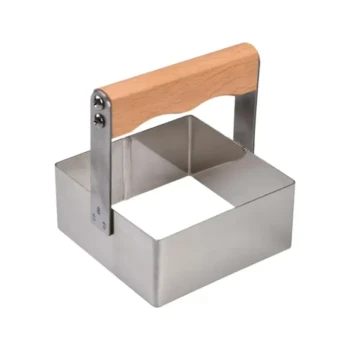
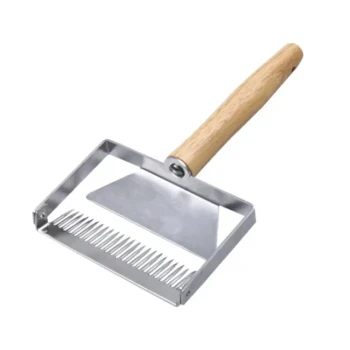
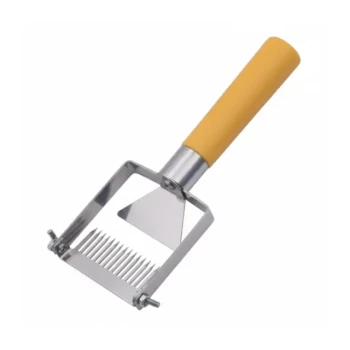
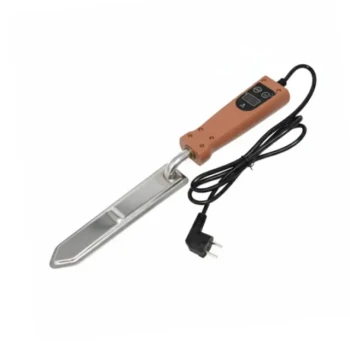
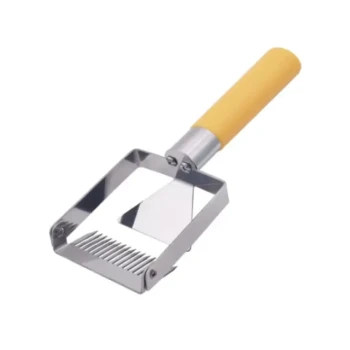
You must cut uniform sections, typically squares or rectangles, directly from the frame. Using a specialized comb cutter or a good-quality kitchen knife is essential for this step; warming the tool beforehand can make the cutting process smoother and cleaner.
Managing Drainage
Before packaging the squares into containers, you must allow excess honey to drip off the cut edges. This step is vital to prevent a sticky mess inside the final consumer package.
Common Pitfalls and Preservation
Controlling Pests Post-Harvest
A critical step often overlooked is preventing wax moth infestation. After cutting and packaging, the combs should be frozen to kill any potential wax moth eggs and protect the product's integrity.
The Trade-off of Foundationless Frames
By removing wires and foundation, you sacrifice structural integrity for product purity. This makes the comb more fragile during the harvest, requiring gentler handling to avoid damaging the hive structure or the comb itself.
Making the Right Choice for Your Goal
To successfully integrate cut-comb honey into your operation, focus on the following priorities:
- If your primary focus is Product Purity: Utilize only wireless wax foundation or no foundation at all to ensure the entire block is edible.
- If your primary focus is Commercial Presentation: Use standardized frames and warm cutting tools to create uniform squares that fit perfectly into retail containers.
- If your primary focus is Shelf-Life: Ensure all harvested frames are fully capped and freeze the final packages to eliminate pest risks.
Mastering cut-comb honey is less about equipment and more about precise timing and delicate handling.
Summary Table:
| Practice Category | Key Requirement | Purpose |
|---|---|---|
| Frame Prep | No wires or plastic foundation | Ensures the entire comb is edible and soft |
| Comb Construction | Natural wax drawing/Wax starters | Maintains product purity and natural texture |
| Harvest Timing | 100% capped and sealed frames | Guarantees proper moisture content and shelf-life |
| Processing | Warm cutting & edge drainage | Creates clean, uniform sections for retail |
| Preservation | Freezing post-packaging | Eliminates wax moth eggs and protects integrity |
Elevate Your Honey Production with HONESTBEE
Transitioning to premium cut-comb honey production requires the right tools and expertise. As a dedicated partner to commercial apiaries and global distributors, HONESTBEE provides the comprehensive wholesale solutions you need to scale your operation.
From specialized beekeeping tools and high-efficiency machinery to our extensive range of industry consumables and honey-themed cultural merchandise, we help you deliver excellence to your customers. Whether you need hive-making equipment or advanced honey-filling machines, our portfolio is designed to enhance your productivity.
Ready to grow your beekeeping business? Contact us today to discover how our wholesale offerings can streamline your production and boost your market presence.
Related Products
- Heavy Duty Stainless Steel Honeycomb Cutter
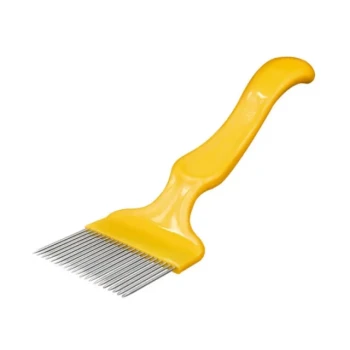
- Professional Honey Uncapping Fork Tool with Customizable Tine Options
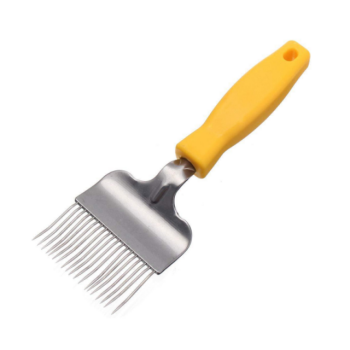
- Professional Bent Tine Honey Uncapping Fork with Ergonomic Grip
- Stainless Steel Jack Type Honey Comb Press Machine Wax and Honey Separator
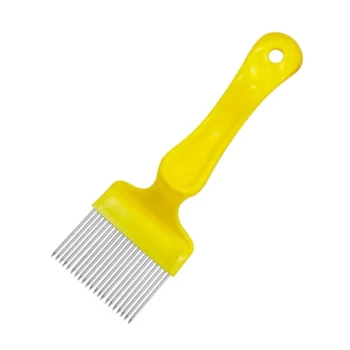
- Professional Customizable Honey Uncapping Fork with Adjustable Tine Options
People Also Ask
- How is a comb cutter used to produce cut comb honey? Master the Art of Precision Harvesting
- Why is the comb-cutting technique preferred for Apis cerana queen rearing? Boost Success with Natural Bee Biology
- What is the cut comb honey method? A Guide to Pure, Artisanal Honey Production
- How is the cut comb method used to harvest honey? Master the Art of Premium Unprocessed Honey Production
- What is cut comb honey, and how is it prepared? Experience Honey in Its Purest Form