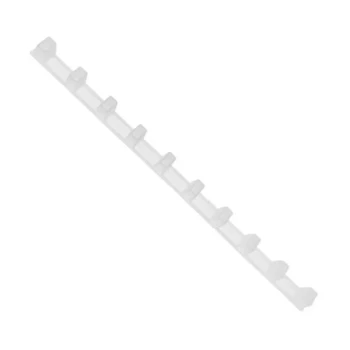
Specialized plastic cell bases and frame mounts function as a standardized physical interface that connects delicate queen cells to rugged wooden rearing frames. By creating a modular system, these components enable the secure attachment, rapid transfer, and physical protection of larvae throughout the grafting and inspection processes.
Core Insight: These components transform queen rearing from a fragile, manual task into a scalable workflow. By isolating the queen cell from direct contact and enforcing precise spacing, they protect the developing larvae from physical compression while simultaneously optimizing the biological environment for royal jelly secretion.
The Mechanics of Modularity and Efficiency
Streamlining the Workflow
The primary structural role of these components is to facilitate rapid assembly and disassembly. Plastic bases allow technicians to attach and detach queen cells from the main rearing frame instantly. This modularity is essential for transferring sealed cells to mating nuclei without the risk of damaging the cell walls.
Enabling Mass Production
A grafting frame acts as a high-density support structure capable of holding dozens of fixed cups simultaneously. This hardware configuration allows a single cell builder colony to rear large batches of queens in one cycle. It provides a uniform layout that allows technicians to monitor progress across the entire batch efficiently.
Protection and Standardization
Preventing Physical Trauma
The most critical structural role is shielding the larvae and royal jelly from compression. The rigid plastic base absorbs the mechanical pressure applied during handling and inspection. This ensures that the delicate biological contents within the cup remain undisturbed even during rapid transfer operations.
Optimizing Biological Support
Cell bars and mounting blocks utilize a fixed layout to align multiple cell cups uniformly. This precise spacing is not merely aesthetic; it creates the optimal gap between cells. This structural arrangement facilitates the secretion of royal jelly by nurse bees, ensuring every larva receives adequate nutrition.
Biological Integration
Reducing Colony Rejection
Beyond physical support, these containers are designed to simulate the biophysical characteristics of natural queen emergence. This design feature tricks the worker bees' natural instincts. By mimicking a natural environment, the hardware reduces the likelihood of the colony rejecting the intervention, allowing for smoother acceptance of the grafted larvae.
Understanding the Operational Trade-offs
Rigidity vs. Adaptability
While the modular system offers efficiency, it imposes a rigid framework on the colony. The fixed spacing on the bars dictates exactly where queen cells can be, removing the bees' natural ability to build cells where they choose. Success depends on the technician's ability to utilize this rigidity to facilitate, rather than hinder, the bees' work.
Precision Dependencies
The effectiveness of this hardware relies heavily on consistent execution. Because the system allows for high-density rearing, any failure in the supporting conditions—such as temperature control or nurse bee population—is magnified across the entire batch. The hardware provides the structure, but it demands precise management of the biological variables to function correctly.
Making the Right Choice for Your Goal
To maximize the utility of these components, align your usage with your specific production targets:
- If your primary focus is Scalability: Utilize the grafting frame's capacity to hold dozens of cups, leveraging the modular design to cycle large batches through a single cell builder colony.
- If your primary focus is Larval Health: Prioritize the protective qualities of the plastic bases to prevent compression of royal jelly during inspections and transfers.
- If your primary focus is Acceptance Rates: Rely on the simulated biophysical design of the containers to minimize rejection, but ensure the "blocks" are spaced precisely to encourage nurse bee interaction.
The structural role of this equipment is ultimately to bridge the gap between biological fragility and industrial efficiency.
Summary Table:
| Component | Primary Structural Role | Key Benefit |
|---|---|---|
| Plastic Cell Bases | Rigid support & physical interface | Prevents compression and protects delicate larvae during transfer. |
| Frame Mounts | High-density modular attachment | Enables rapid assembly and secure batch processing of queen cells. |
| Cell Bars | Precise spatial alignment | Optimizes airflow and nurse bee access for maximal royal jelly secretion. |
| Grafting Frames | Centralized support structure | Transforms manual grafting into a scalable, industrial-grade workflow. |
Elevate Your Queen Rearing Operation with HONESTBEE
Transition from fragile manual tasks to a high-yield, scalable workflow with professional-grade hardware from HONESTBEE. As a premier partner for commercial apiaries and distributors, we provide the specialized tools necessary to minimize larval rejection and maximize production efficiency.
Our extensive portfolio includes:
- Precision Beekeeping Tools: Modular cell bases, frames, and grafting equipment designed for durability and biological acceptance.
- Industrial Machinery: High-efficiency hive-making and honey-filling machines to streamline your processing line.
- Comprehensive Wholesale Support: A full spectrum of essential consumables and cultural merchandise tailored for the global market.
Ready to scale your colony production? Contact us today to discover how HONESTBEE’s wholesale solutions and industrial equipment can drive your apiary's growth.
References
- T. Al-Ghazaly, Aied N. Oueed. Effect of some artifical diets on queen the native queens of Apis mellifera L. (Apidae: Hymenoiptera) rearing in queenright colonies by using Jenter pparatus. DOI: 10.32649/ajas.2011.28762
This article is also based on technical information from HonestBee Knowledge Base .
Related Products
- JZBZ Type Wide Base Plastic Queen Cell Cups for Base Mounting and Queen Rearing
- Durable Plastic Frame Spacer
- Assembled Wooden Bee Frames with Plastic Foundation for Durability and Convenience by HONESTBEE
- Plastic Bee Frame Beekeeping Hive Frames for Wholesale
- Food Grade Plastic bee Foundation for Bee Frames
People Also Ask
- What are the primary advantages of using plastic queen cell cups? The Industrial Choice for High-Efficiency Apiaries
- What technical advantages do commercial plastic queen cell cups offer? Scale Your Queen Rearing for Maximum Efficiency
- What is the function of standardized plastic Queen Cell Cups? Boost Efficiency in Commercial Larval Grafting
- Why are standardized plastic queen cell cups preferred? Boost Commercial Queen Rearing Efficiency
- Why are standardized plastic queen cell cups typically used in large-scale queen bee production? Boosting Apiary Output