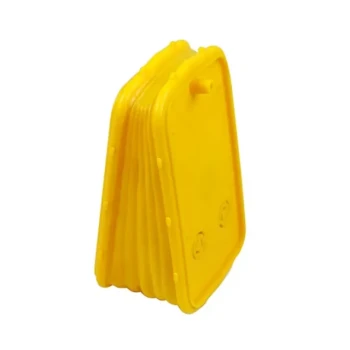
Polyethylene tubes with micro-perforations provide a precision-engineered solution for the slow, controlled release of protein-carbohydrate feed mixtures. These tubes, typically featuring a 200–300 milliliter capacity and 0.3–0.5 millimeter perforations, prevent feed crystallization and spoilage while ensuring worker bees do not drown during consumption. This specific design maintains the high nutritional integrity required for healthy drone development and colony growth.
Core Takeaway: For professional distributors, micro-perforated polyethylene tubes represent a high-performance alternative to traditional feeders, combining moisture-retention technology with a safety-first design that eliminates bee mortality and feed waste.
Precision Engineering for Nutrient Delivery
Controlled-Release Dynamics
The 0.3–0.5 mm micro-perforations act as a mechanical regulator for feed delivery. This allows for a precise and slow release of nutrients, ensuring nursing bees receive a consistent supply without the fluctuations common in open-access feeding.
Preservation of Feed Integrity
Polyethylene acts as a barrier against rapid moisture evaporation. By maintaining the internal humidity of the feed, these tubes prevent protein mixtures from dehydrating or hardening in the high-temperature environment of a beehive.
Prevention of Crystallization
The micro-perforation system reduces the feed's exposure to the open air. This technical safeguard significantly delays crystallization and spoilage, extending the shelf life of the supplemental diet once it is placed inside the colony.
Safety and Operational Efficiency
Eliminating Bee Mortality
Traditional liquid feeders often pose a drowning risk to worker bees. The micro-perforated surface allows bees to feed through the holes without entering the reservoir, effectively preventing worker bee drowning and maintaining colony population levels.
Robust Colony Development
By providing a continuous, clean supply of nutrients, these tubes ensure that the high nutritional levels required for healthy drone development are met. This is critical for commercial breeding operations that require peak genetic performance.
Simplified Monitoring and Hygiene
The transparent nature of polyethylene allows beekeepers to monitor consumption rates at a glance. Furthermore, the design facilitates easy removal of residues, allowing for accurate data collection on feed intake during trials or seasonal feeding cycles.
Understanding the Trade-offs
Volume Limitations vs. Bulk Feeding
While 200–300 ml tubes are ideal for precision protein delivery, they are not designed for large-scale winter storage. For high-volume sucrose storage, internal frame feeders (often holding 4 liters or more) remain the more efficient choice for bulk syrup processing.
Maintenance and Reusability
Polyethylene is durable, but micro-perforations can become clogged over time if used with low-quality, high-particulate feed. Distributors should advise clients that while these units are highly efficient, they require regular inspection and cleaning to maintain the 0.3–0.5 mm flow rate.
Environmental Sensitivities
Although the sealed nature of the tubes reduces interference from robbing bees, the effectiveness of the delivery system is still influenced by the internal hive temperature. In extreme heat, the viscosity of the feed may change, necessitating a high-quality, stable feed mixture.
Sourcing Strategies for Resellers and Distributors
Professional B2B buyers must balance technical performance with supply chain reliability. As a leading partner in the beekeeping equipment sector, we provide a full-spectrum product portfolio backed by deep industry expertise to ensure your inventory meets the highest technical standards.
- If your primary focus is rapid market turnover: Leverage our ultra-fast delivery and efficient order fulfillment to keep your stock of high-demand micro-perforated tubes consistent with seasonal peaks.
- If your primary focus is technical superiority: Utilize our professional expertise to source tubes with exact 0.3–0.5 mm tolerances, ensuring your customers receive a premium product that prevents feed spoilage.
- If your primary focus is one-stop sourcing: Combine your orders for polyethylene tubes with our comprehensive range of frame feeders and entrance feeders to streamline your logistics and reduce overhead.
By integrating these precision-engineered feeding systems into your catalog, you offer your clients a sophisticated tool that maximizes colony health while minimizing operational waste.
Summary Table:
| Feature | Technical Specification | Key Benefit |
|---|---|---|
| Material | High-grade Polyethylene | Moisture retention & easy monitoring |
| Perforation Size | 0.3–0.5 mm | Controlled release; prevents crystallization |
| Capacity | 200–300 ml | Precision dosing for protein supplements |
| Safety Design | Micro-pore access | Eliminates worker bee drowning risk |
| Application | Supplemental feeding | Supports drone health & colony growth |
Scale Your Inventory with Precision Beekeeping Solutions
Are you a distributor or B2B reseller looking to provide your clients with high-performance feeding technology? HONESTBEE offers a one-stop sourcing platform for commercial apiaries, providing a comprehensive wholesale portfolio. From precision-engineered micro-perforated tubes and frame feeders to advanced honey-filling machines and hive-making equipment, we ensure your stock meets the highest industry standards.
Partner with HONESTBEE to benefit from:
- Deep Industry Expertise: Products designed for maximum colony survival and productivity.
- Ultra-Fast Delivery: Efficient order fulfillment to keep your supply chain moving.
- Premium Trading Services: Dedicated support and rapid response times for all bulk orders.
- Comprehensive Portfolio: A full spectrum of tools, machinery, and honey-themed cultural merchandise.
Ready to enhance your product offering and boost your profit margins?
Contact Our Wholesale Team Today
References
- Zh. A. Zemlyankina, N. A. Yurina. PRODUCING MALE BEE BROOD IN ADYGEYA FOR FURTHER ARTIFICIAL INSEMINATION OF CARPATIC QUEEN BEES. DOI: 10.32935/2221-7312-2018-38-5-42-46
This article is also based on technical information from HonestBee Knowledge Base .
Related Products
- White Plastic 0.5L Beekeeping Entrance Feeder for Bees
- Rapid Bee Feeder White Plastic 2L Round Top Feeder for 8 or 10-Frame Bee Hives
- 3.5L Plastic Beehive Frame Feeder Deep Frame Water Feeder for In Hive Use
- HONESTBEE Entrance Bee Feeder Efficient Hive Front Liquid Feeding Solution for Beekeeping
- Professional In-Hive Bee Feeder HONESTBEE Frame for Beekeeping
People Also Ask
- How do you make an entrance feeder for bees? A Guide to Safe & Effective Hive Feeding
- How to make an entrance feeder for bees? A DIY Guide for Safe & Effective Feeding
- How does a bee entrance feeder work? A Simple Guide to Convenient Hive Feeding
- What is a bee entrance feeder and what are its drawbacks? Essential Guide to Hive Security and Feeding Efficiency
- What are the advantages and disadvantages of using an entrance feeder for bees? Balance Convenience and Hive Security.