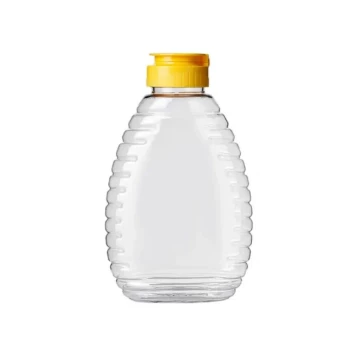
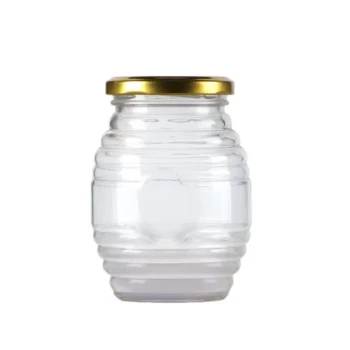
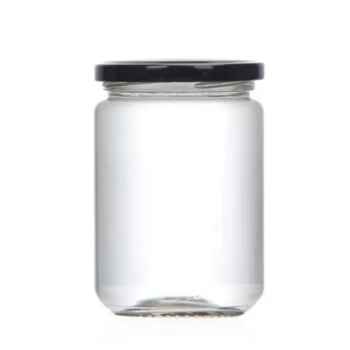
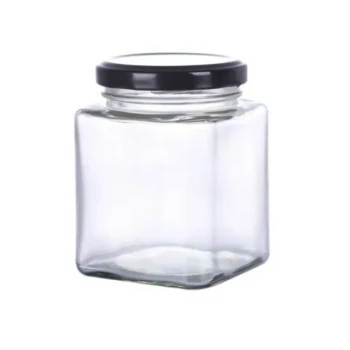
To ensure long-term stability and prevent degradation, you must utilize specialized, high-seal industrial vessels designed to isolate the honey completely from the atmosphere. The critical technical requirement is the use of airtight lids on these containers to physically block moisture absorption and oxygen exposure, which are the primary drivers of crystallization and oxidation.
Honey is highly hygroscopic; its stability depends entirely on neutralizing its natural tendency to absorb moisture and react with oxygen through the use of strictly airtight, industrial-grade containment.
Implementing High-Integrity Containment
Selecting the Right Vessel
For long-term industrial storage, standard containers are often insufficient. You should utilize specialized industrial-grade vessels or amphorae-style tanks.
These containers are specifically engineered to maintain the product's chemical integrity. They provide the structural stability required for large-scale supply chains.
The Imperative of Airtight Seals
The most critical feature of your storage solution is the lid system. You must ensure the use of airtight lids that create a hermetic seal.
This barrier is non-negotiable because it prevents the ingress of oxygen. Limiting oxygen exposure is the only way to stop the oxidative processes that degrade the physical properties of the honey.
Combating Hygroscopy
Honey is highly hygroscopic, meaning it aggressively absorbs water from the surrounding air.
If the container seal is compromised, the honey will pull in moisture. This added moisture content destabilizes the honey, leading directly to crystallization and spoilage.
Optimizing the Storage Environment
Controlling Ambient Conditions
Beyond the container itself, the external environment plays a supporting role. You should place these industrial vessels in a cool, dry location.
High humidity in the storage facility increases the risk of moisture absorption if a seal fails. Maintaining a dry environment adds a necessary layer of redundancy to your preservation strategy.
Limiting Light Exposure
To preserve the flavor profile and assist in maintaining the liquid state, store vessels away from direct sunlight.
Light exposure can accelerate chemical changes within the honey. A dark or low-light environment helps maintain the characteristic taste profile after extraction.
Understanding the Trade-offs
The Cost of specialized Infrastructure
Implementing amphorae-style tanks or high-grade industrial vessels requires a higher upfront capital investment than standard bulk storage.
However, relying on lower-grade containers creates a high risk of product loss due to crystallization. The cost of equipment must be weighed against the value of maintaining a stable, liquid supply for large-scale operations.
Accessibility vs. Preservation
High-seal, airtight containers are designed for static, long-term storage. Frequent opening of these vessels defeats the purpose of the airtight seal.
Every time the vessel is opened, moisture and oxygen are introduced. Therefore, this storage method is best suited for inventory that does not require frequent access.
Ensuring Quality for Large-Scale Supply
To maintain a consistent supply for industrial or ceremonial activities, align your storage protocols with your specific preservation goals.
- If your primary focus is preventing crystallization: Prioritize the use of airtight lids on industrial vessels to stop moisture absorption immediately.
- If your primary focus is flavor retention: Ensure the facility is cool and dark to prevent heat and light from altering the honey's taste profile.
By strictly isolating the honey from air and moisture, you ensure it retains its liquid form and quality indefinitely.
Summary Table:
| Technical Requirement | Storage Mechanism | Desired Outcome |
|---|---|---|
| Containment Vessel | Specialized Industrial Tanks/Amphorae | Chemical Integrity & Large-scale Stability |
| Seal Type | Airtight/Hermetic Lids | Prevention of Oxygen Ingress & Oxidation |
| Environment | Cool, Dry, and Dark Locations | Minimizes Hygroscopic Absorption & Light Damage |
| Operational Protocol | Limited Access/Minimal Opening | Maintains Internal Environment Stability |
Elevate Your Beekeeping Operations with HONESTBEE
Maintaining the purity and liquid state of your honey inventory is critical for your bottom line. At HONESTBEE, we specialize in empowering commercial apiaries and distributors with high-grade infrastructure designed for precision.
Our comprehensive wholesale offering includes:
- Specialized Machinery: Advanced honey-filling and hive-making machines to streamline production.
- Professional Hardware: Industrial-grade beekeeping tools and high-integrity storage equipment.
- Industry Consumables: A full spectrum of essentials to keep your apiary thriving.
Whether you are scaling up your production or seeking reliable supply chain solutions, our team is here to provide the expertise and tools you need. Protect your harvest and maximize your value today—contact us for a wholesale consultation!
References
- A. M. Bowie. THE RITUAL ROLE OF HONEY IN ANCIENT EGYPT, HATTI AND GREECE. DOI: 10.19090/i.2020.31.7-23
This article is also based on technical information from HonestBee Knowledge Base .
Related Products
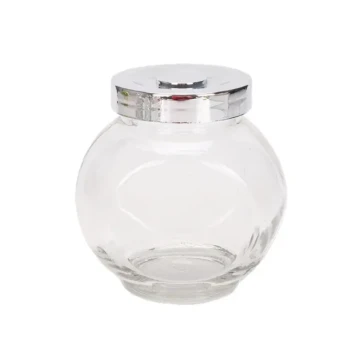
- Classic Drum Shaped Glass Honey Jar with Airtight Lid
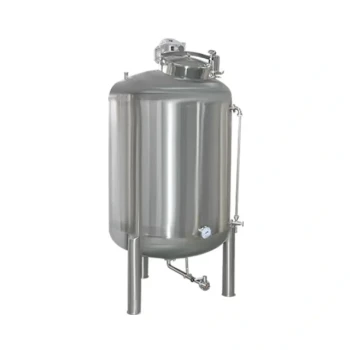
- Professional Honey Storage Tank with Agitation System
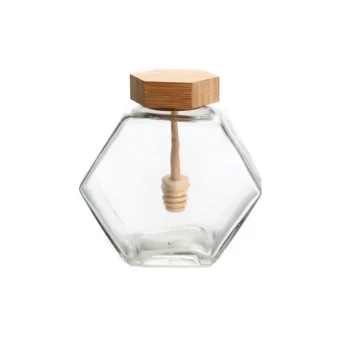
- Hexagonal Glass Honey Jar with Wooden Lid Integrated Dipper Elegant Functional Storage
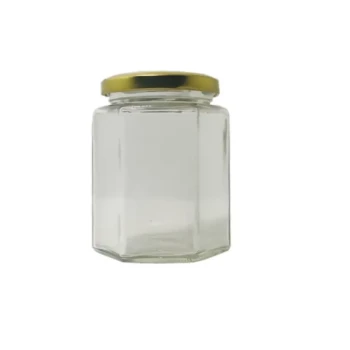
- Hexagonal Glass Honey Jars with Metal Lug Caps Elegant Versatile Packaging
- Stainless Steel Honey Storage and Settling Tank with Double Strainer
People Also Ask
- What is the best utensil to store honey? Preserve Purity with the Right Container
- How does the appearance of glass jar packaging affect the sales and perception of honey? Boost Your Premium Brand Value
- Why is a glass jar preferred for packaging honey? Ultimate Protection for Purity & Flavor
- What is the aesthetic appeal of using glass jars for honey? Elevate Your Brand with Premium Packaging
- What are the advantages of glass containers for honey? Elevate Quality and Market Value with Premium Packaging