To safely mark a queen bee, you must use a non-toxic, water-based marking pen to place a single, small dot on the precise center of her thorax. The technical priority is to apply the mark without exerting any physical pressure on the queen and to absolutely avoid contact with her sensory organs or wings. Failure to observe these boundaries can result in the colony rejecting or killing the queen due to masked pheromones or physical impairment.
Core Takeaway The goal of marking is visibility, but the priority is acceptance; a queen marked with excessive pressure, misplaced paint, or released before the ink is dry risks being identified as damaged or foreign by the hive, leading to her immediate rejection.
Technical Application Guidelines
Selecting the Target Zone
The paint must be applied exclusively to the top center of the thorax. This is the hard, chitinous plate between the head and the abdomen where the wings attach. Placing the dot here ensures it remains visible without interfering with the flexibility of the abdomen or the movement of the head.
The "Wet Tip" Technique
You must ensure the tip of the marking pen is sufficiently saturated with ink before touching the queen. This allows the ink to transfer via surface tension rather than friction. You should never press down on the queen; the application should be a gentle touch that transfers the dot instantly.
Critical Avoidance Areas
Protecting Sensory Organs
It is imperative to keep paint away from the antennae and eyes. These are the queen's primary means of sensing her environment and communicating within the dark hive. If these organs are obstructed by paint, her behavior may become erratic, prompting the workers to supersede (replace) her.
Preserving Mobility
Ensure that no ink spreads to the wings. Sticky or dried paint on the wings can hamper the queen's movement across the comb. If the workers perceive her as physically compromised, they are likely to cull her to protect the colony's future.
Common Pitfalls and Trade-offs
The Risk of Premature Release
A common error is releasing the queen immediately after marking. You must allow the paint to dry completely before returning her to the colony. If the paint is wet, workers may groom it off immediately, rendering the mark useless, or the solvent smell may trigger an aggressive "balling" response where they attack the queen.
Handling and Stabilization
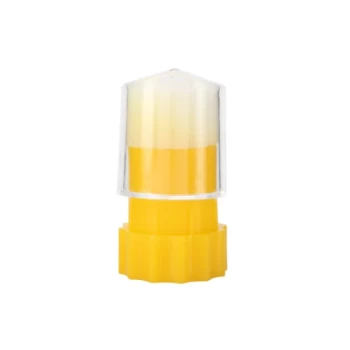
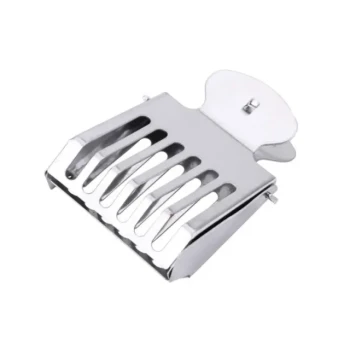
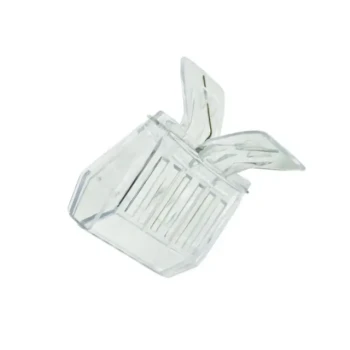
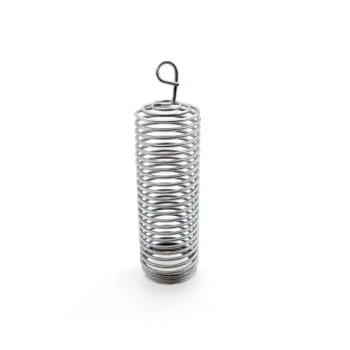
While experienced beekeepers may mark "freehand," using a queen catcher or marking tube significantly reduces the risk of error. These tools stabilize the queen's mobility, ensuring a clean application. However, improper use of these tools introduces the risk of crushing the thorax, which is almost always fatal.
Making the Right Choice for Your Goal
To ensure the longevity of your queen and the stability of your hive, consider the following approach:
- If your primary focus is queen safety: Use a marking tube (cage) to stabilize her movement and eliminate the risk of paint touching her wings or eyes.
- If your primary focus is hive acceptance: Ensure the paint is strictly water-based and non-toxic, and wait several minutes for the mark to fully dry and off-gas before release.
Precision in marking is not just about aesthetics; it is about preserving the biological integrity of the colony's most vital member.
Summary Table:
| Technical Priority | Requirement | Risk of Failure |
|---|---|---|
| Target Zone | Top center of thorax | Interference with abdomen or head movement |
| Application | "Wet Tip" surface tension | Physical trauma or crushing from pressure |
| Paint Type | Water-based, non-toxic | Colony rejection due to chemical toxicity |
| Avoidance | Eyes, antennae, and wings | Impaired senses or mobility leading to supersedure |
| Curing Time | Complete drying before release | Grooming by workers or aggressive balling response |
Elevate Your Apiary's Efficiency with HONESTBEE
Precision in queen management is the hallmark of a successful beekeeping operation. At HONESTBEE, we empower commercial apiaries and distributors with the high-quality tools required for professional colony maintenance. From specialized marking equipment to industrial-grade honey-filling machines and hive-making hardware, our comprehensive wholesale portfolio is designed to enhance your productivity.
Whether you are scaling your distribution network or managing thousands of colonies, we supply the full spectrum of beekeeping machinery and essential consumables. Contact us today to discover how our tailored equipment solutions and honey-themed cultural merchandise can add value to your business and streamline your operations.
Related Products
- Queen Bee Marking Pen UNI Medium Point for Queen and Bee Marking
- Queen Bee Marking Pen POSCA Queen Marking Pens for Beekeeping Bee Markers
- Queen Bee Catcher Plastic Bee Marker Bottle with Piston Marking Tube
- Premium Wood Framed Metal Wire Queen Bee Excluder
- Queen Bee Marking Tube Cage Bottle Catcher Holder with Clear Plastic Plunger Marker
People Also Ask
- How should a new paint pen be primed before marking a queen bee? Essential Tips for Safe & Clear Markings
- How should a queen bee marking pen tip be properly primed? Master the Art of Safe Queen Marking
- What specifications are required for a high-quality queen bee marking pen? Ensure Safety and Precision for Your Colony
- What role do specialized marking pens and color-coding systems play in honeybee tracking? Enhance Research Precision
- Where on the queen bee's body should the mark be applied? Master the Art of Safe Queen Identification