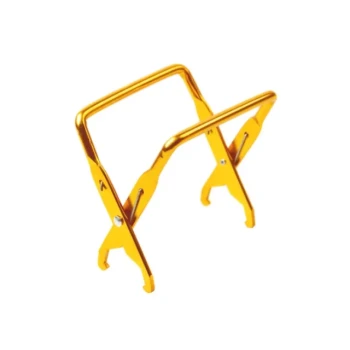
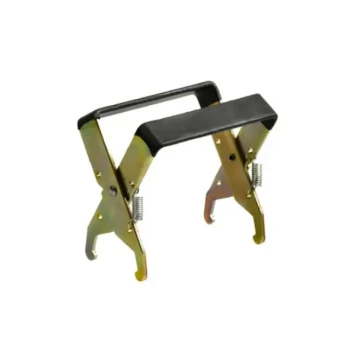
Ensuring colony survival and productivity during transhumance requires specialized transport equipment designed for high-flow ventilation, structural stability, and mechanical load management. These tools must facilitate the rapid, safe movement of heavy hives—often during the critical windows of night or dawn—to ensure bees arrive at floral sources ready for immediate foraging.
Successful migratory beekeeping relies on the technical synergy between colony health preservation and operational efficiency. For distributors and wholesalers, providing a comprehensive portfolio of tools that address ventilation, vibration dampening, and mechanical lifting is essential for supporting modern, high-output commercial apiaries.
Technical Standards for Colony Preservation
Optimized Ventilation Systems
High-density bee colonies generate significant heat, which can lead to suffocation or "melting" of honeycombs during transit. Specialized transport tools must feature integrated ventilation channels or mesh-based flooring that ensures constant airflow even when hives are tightly packed. Proper airflow is the single most critical factor in reducing worker bee mortality caused by environmental stress during long-distance relocation.
Vibration and Shock Mitigation
Migratory beekeeping involves traversing diverse terrains to reach remote orchards or fields. Transport trailers and stabilization devices must be engineered to minimize mechanical vibrations that can disrupt colony behavior or damage delicate hive structures. Advanced suspension systems and dampening materials ensure that bees remain calm and can resume pollination services immediately upon arrival.
Operational Efficiency and Safety Requirements
Robust Fastening and Stabilization
Standard cargo securing is insufficient for the unique weight distribution of active beehives. Specialized fastening systems must provide high-tension security without crushing hive components, preventing shifting during sharp turns or sudden stops. This structural stability is vital for preventing honeycomb breakage and ensuring the safety of the transport vehicle and its operators.
Mechanical Load-Handling Auxiliaries
A full beehive is a significant physical burden, and transhumance often occurs during low-light hours (night or dawn) to ensure all foraging bees are inside. Technical requirements include integrated cranes, tailgate lifts, or specialized hive loaders that reduce the physical strain on beekeepers and accelerate the loading process. These auxiliary tools are essential for maintaining the "rapid response" capabilities needed to follow fluctuating floral blooms.
Strategic Logistics and Risk Management
Mobility for Environmental Adaptation
In modern beekeeping, transport equipment serves as a hedge against localized environmental risks such as drought or unseasonal rainfall. High-performance mobile facilities allow beekeepers to rapidly relocate colonies to areas with abundant nectar and pollen resources. This spatial optimization ensures continuous nutrient access for the bees and maximizes annual honey production by extending the collection season.
Expert Sourcing for Professional Resellers
For B2B distributors, the technical requirement extends to the reliability of the supply chain itself. Partnering with suppliers who offer a full-spectrum product portfolio ensures that end-users receive compatible, high-performance systems. Deep professional expertise and ultra-fast delivery are critical for resellers who must help beekeepers respond to the tight windows of seasonal blooms.
Understanding the Trade-offs
Ventilation vs. Thermal Regulation
While maximum ventilation is required during transit to prevent overheating, it can pose a risk if the transport route involves significant temperature drops. Equipment that offers adjustable airflow or modular covers allows beekeepers to balance oxygen intake with thermal protection. Failing to account for this can lead to chilled brood or colony stress in colder climates.
Mechanical Complexity vs. Field Maintainability
Highly sophisticated lifting and stabilization systems offer great efficiency but can be difficult to repair in remote foraging locations. Distributors should prioritize equipment that balances advanced technical features with rugged, field-serviceable designs. Over-complication without a robust support structure can lead to operational downtime during the most profitable flowering periods.
Making the Right Choice for Your Client Base
Distributors must tailor their inventory to the specific operational scales of their professional clients to ensure long-term satisfaction and repeat business.
- If your primary focus is High-Volume Commercial Operations: Prioritize integrated mechanical loaders and large-scale trailers with advanced vibration dampening to maximize efficiency.
- If your primary focus is Rapid Response/Environmental Hedging: Focus on lightweight, high-mobility stabilization devices and rapid-fastening systems that allow for quick setup and breakdown.
- If your primary focus is Colony Health and Longevity: Emphasize specialized ventilation kits and climate-controlled transport solutions that minimize transit stress and mortality rates.
Equipping professional beekeepers with the right technical transport tools transforms migratory beekeeping from a high-risk gamble into a precision-managed commercial enterprise.
Summary Table:
| Technical Requirement | Key Feature | Primary Benefit |
|---|---|---|
| Optimized Ventilation | Integrated mesh flooring & airflow channels | Prevents colony overheating and honey melting |
| Vibration Mitigation | Advanced suspension & dampening materials | Reduces stress and ensures immediate foraging |
| Fastening & Stability | High-tension, non-crushing securing systems | Prevents hive shifting and honeycomb damage |
| Mechanical Loading | Integrated cranes & specialized hive loaders | Accelerates loading and reduces physical labor |
Scale Your Wholesale Success with HONESTBEE
As a leading partner for commercial apiaries and B2B resellers, HONESTBEE provides the technical edge required for high-stakes migratory beekeeping. We offer a comprehensive one-stop sourcing experience, supplying a full spectrum of professional tools, honey-filling machinery, and essential industry consumables designed for reliability and performance.
Why Partner with Us?
- Comprehensive Portfolio: Access everything from specialized hardware like hive-making machines to honey-themed cultural merchandise.
- Rapid Fulfillment: Benefit from ultra-fast delivery and efficient order processing to meet seasonal bloom windows.
- Professional Expertise: Leverage our deep industry knowledge and dedicated customer service to support your growth.
Equip your clients with the best in beekeeping technology. Contact HONESTBEE Today to discuss our premium wholesale offerings and OEM/ODM support!
References
- Eder Ramos-Hernández, Blanca Patricia Castellanos-Potenciano. Trashumancia apícola: más allá de una estrategia productiva. DOI: 10.35830/mcya.vi25.519
This article is also based on technical information from HonestBee Knowledge Base .
Related Products
- Plastic Transporting Bee Packages and Nuc Boxes for Beekeeping
- Lightweight Aluminum Frame Grip
- HONESTBEE Classic Pry Bar Hive Tool with High Visibility Finish for Beekeeping
- Professional 600D Oxford Cloth Beekeeping Tool Bag with 8 Pockets and Elastic Loops
- Stainless Steel Queen Grafting Tool for Beekeeping and Bee Queen Grafting
People Also Ask
- What role do bee package boxes play in the commercial transport and expansion of honeybee colonies? - Logistic Essentials
- What are beekeeping boxes called? A Guide to Hive Bodies and Box Types
- How do standardized bee packages serve as a recovery mechanism for commercial beekeeping? Ensure Business Continuity
- What is the commercial value of using standardized bee packages? Drive Scalability in Large-Scale Apiaries
- Why is the timely introduction of high-quality bee packages critical? Save Your Apiary from Asian Hornet Invasions