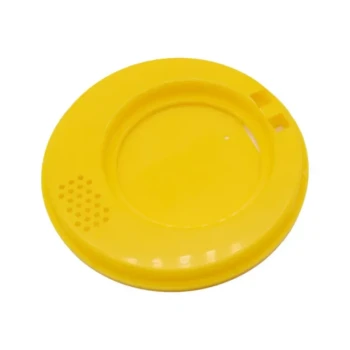
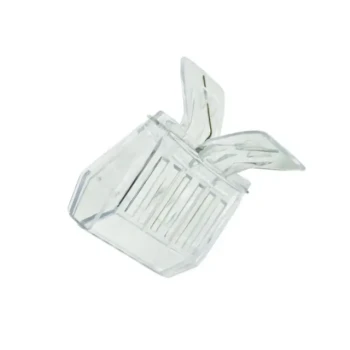
To improve hive efficiency and reduce stress on your colony, the most effective technique is to install an upper entrance positioned above the queen excluder. This simple modification provides foraging bees with a direct alternative entry and exit point. By allowing workers to access honey supers directly, you reduce the necessity for them to repeatedly squeeze through the metal grid.
Providing an upper entrance solves the primary logistical flaw of a queen excluder: traffic congestion. It allows foragers to deposit nectar directly into the supers without navigating the brood nest, significantly reducing physical wear on the workforce.
Resolving the Excluder Bottleneck
The Mechanics of the Upper Entrance
A queen excluder functions as a filter, keeping the larger queen in the brood box while allowing smaller workers to pass. However, forcing every forager to pass through this grid creates a bottleneck.
By adding an entrance above this barrier, you create a bypass route. Foraging bees can fly directly into the honey supers to deposit nectar. This streamlines the flow of resources and prevents overcrowding in the lower brood chamber.
Preserving Worker Bee Health
One of the most significant downsides of queen excluders—particularly those with sharp edges—is physical damage to the bees. Repeatedly squeezing through the grid can cause wing wear and potential body damage.
An upper entrance mitigates this by reducing the frequency with which a bee must cross the barrier. Preserving wing health is critical, as it directly correlates to a worker bee's lifespan and total foraging capacity.
Encouraging Upward Movement
Overcoming the "Honey Barrier"
Bees are sometimes reluctant to cross a queen excluder, viewing it as a ceiling rather than a pass-through. This is especially common when placing an excluder over undrawn foundation.
To encourage bees to move up, you can place a frame of brood into the honey super above the excluder. This acts as "bait," drawing nurse bees upward to care for the brood and effectively bridging the gap between the boxes.
The Importance of Drawn Comb
Bees are naturally slower to build new wax foundation above an excluder. They prefer to store nectar in areas that are already prepared.
Whenever possible, use honey supers with already drawn comb above the excluder. If you only have new foundation, consider letting the bees begin drawing the comb without the excluder first, then install the barrier once they have established the workspace.
Understanding the Trade-offs
The Drone Trap
While an upper entrance helps workers, it can complicate life for drones (male bees). Drones are larger than workers and cannot pass through the excluder grid.
If an upper entrance is used, drones hatched in the lower brood nest may fly out the bottom, but drones that find themselves in the upper supers (or hatch from moved brood frames) effectively become trapped. They cannot exit through the excluder to fly, nor can they return to the brood nest for warmth.
Maintenance and Cleaning
Using an excluder can lead to burr comb buildup. Bees often build wax bridges on the excluder itself, which can make removing the device messy and difficult.
Additionally, while the excluder ensures "cleaner" honey by keeping brood out of supers, it requires diligent management to ensure the queen does not accidentally slip through or get trapped above during inspections.
Making the Right Choice for Your Goal
- If your primary focus is maximizing honey harvest: Install an upper entrance and use drawn comb to ensure foragers have the fastest, least damaging route to the supers.
- If your primary focus is brood management: Utilize the excluder to keep the queen confined for easier inspections, but monitor the supers to ensure drones are not becoming trapped above the grid.
By strategically bypassing the barrier, you allow the queen excluder to serve its purpose without hindering the colony's productivity.
Summary Table:
| Technique | Primary Benefit | Implementation Tip |
|---|---|---|
| Upper Entrance | Reduces traffic congestion & wing wear | Install an entry point directly above the excluder |
| Using Drawn Comb | Encourages immediate upward movement | Avoid using undrawn foundation above the barrier |
| Brood Baiting | Overcomes "honey barrier" reluctance | Move one frame of brood into the upper super |
| Drone Management | Prevents trapped drones in supers | Periodically check upper boxes for trapped drones |
Maximize Your Apiary's Productivity with HONESTBEE
At HONESTBEE, we understand that commercial beekeeping requires precision and efficiency. Whether you are a large-scale apiary or a regional distributor, we provide the high-quality tools necessary to optimize your honey production.
Our comprehensive wholesale range includes:
- Advanced Machinery: Hive-making and honey-filling machines to scale your operations.
- Durable Hardware: Professional-grade queen excluders, specialized hive components, and harvesting tools.
- Essential Consumables: Industry-standard supplies for daily colony management.
- Cultural Merchandise: Honey-themed goods for diverse market needs.
Ready to upgrade your equipment? Contact us today to discuss how HONESTBEE can streamline your beekeeping business with premium wholesale solutions.
Related Products
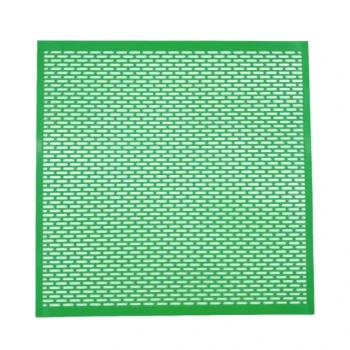
- High Performance Plastic Queen Excluder for Beekeeping and Apiary Management
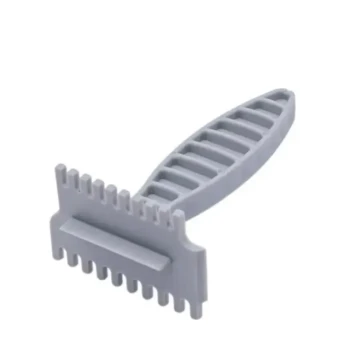
- Lightweight Durable Plastic Queen Excluder Scraper for Beekeeping
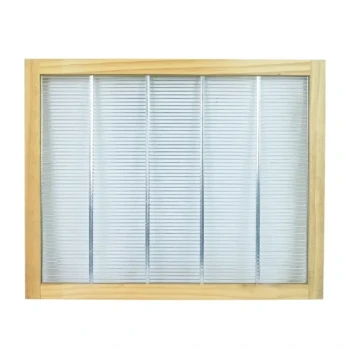
- Premium Wood Framed Metal Wire Queen Bee Excluder
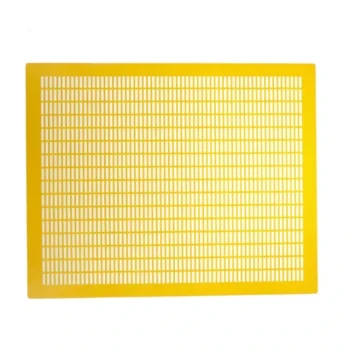
- Professional Plastic Queen Excluder for Modern Beekeeping
- Metal Queen Bee Excluder for Beekeeping
People Also Ask
- What are the characteristics of a plastic queen excluder? Key Benefits for Cost-Effective Beekeeping
- What are the operational and cost advantages of using plastic queen excluders over metal or wire excluders in commercial hive management? Discover how they reduce labor, prevent wing damage, and lower total costs.
- What types of queen excluders are available for beekeepers? Choose the Right Tool for Your Hive
- Why are standardized hive frames and queen excluders essential for maintaining honey purity and quality? Scale Your Purity
- Do plastic queen excluders work? A Cost-Effective Solution for Modern Apiaries