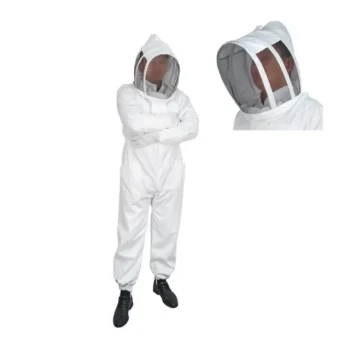
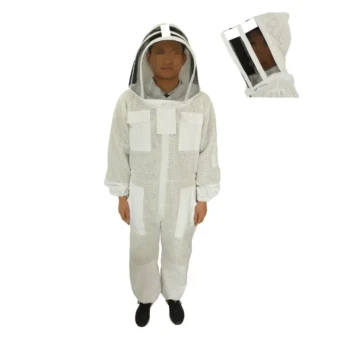
For a beginning beekeeper, the most effective setup is a fencing veil that zips directly onto a beekeeping suit or jacket.
This integrated arrangement is superior to separate components because it eliminates gaps where bees could enter. By creating a sealed connection between the headgear and the body protection, you ensure a secure system that allows you to focus on learning rather than worrying about stings.
The Core Takeaway Novice beekeepers should prioritize maximum security to build confidence. An integrated fencing veil that attaches physically to your suit provides a "closed system," significantly reducing the risk of stings compared to veils that simply drape over the shoulders.
Why Integration is Critical for Beginners
The Vulnerability of Separate Systems
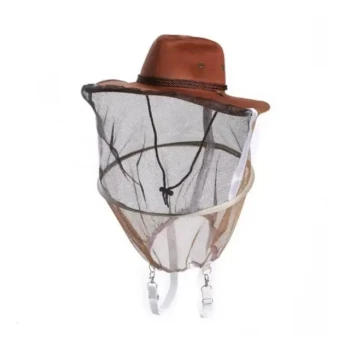
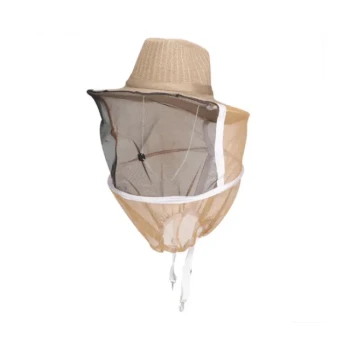
There are three main types of veil setups: hatless, those requiring a separate hat, and integrated suits.
While experienced apiarists may use open veils that sit on the shoulders, these leave room for error. If the veil shifts or lifts during movement, it creates an entry point for bees.
The Mechanism of the Integrated Zipper
The recommendation for beginners is strictly a veil that zips onto the suit.
This mechanical seal offers a comprehensive physical barrier. It ensures that no matter how you bend, stretch, or turn while inspecting the hive, the protective seal remains unbroken.
The Advantages of the Fencing Style
The primary recommendation is specifically a fencing veil.
Unlike round veils that require a separate rigid hat to hold their shape, fencing veils are typically self-supporting and streamlined. This reduces the amount of gear you need to manage and prevents the veil from wobbling or falling off if you look down suddenly.
The Role of Full Body Protection
Contextualizing the Veil
A veil should not be viewed as an isolated tool, but as part of a full protective ecosystem.
For a beginner, the veil should be attached to a full beekeeping suit rather than just a jacket, especially in areas with defensive genetics like Africanized Honey Bees.
Building Confidence
The primary goal for a novice is to learn how to handle frames and manage the colony without agitation.
Wearing a full suit with an integrated veil minimizes the fear of stings across the entire body. This psychological security allows you to move deliberately and calmly, which actually results in fewer defensive reactions from the bees.
Understanding the Trade-offs
Visibility vs. Distance
Fencing veils are excellent for security, but the mesh sits closer to the face than round veils.
You must ensure the veil has proper structure or internal supports. If the mesh touches your skin (nose or chin), a bee can sting through it.
Heat and Comfort
A full suit with a zipped veil offers the highest protection but can be hot and cumbersome.
You cannot easily take a sip of water or wipe sweat from your face without unzipping the gear, which you cannot do near the hive. You must weigh this inconvenience against the paramount need for safety during your learning phase.
Making the Right Choice for Your Goal
To select the right gear for your first season, assess your priorities:
- If your primary focus is maximum safety and confidence: Choose a full beekeeping suit with an integrated, zip-on fencing veil to eliminate all potential gap entry points.
- If your primary focus is quick inspections in hot weather: A jacket with a zip-on veil offers similar head protection but leaves the legs vulnerable, which is generally not recommended for absolute beginners.
- If your primary focus is budget: Do not compromise on the veil connection; ensure whatever suit you buy has a zipper attachment rather than a drawstring or elastic band.
Start with the highest level of protection to master your technique, then adjust your gear as your experience grows.
Summary Table:
| Feature | Integrated Fencing Veil | Separate Hat & Veil | Jacket with Veil |
|---|---|---|---|
| Best For | Beginners & Max Safety | Experienced Apiarists | Quick Inspections |
| Connection | Zipper (Closed System) | Drapes over shoulders | Zipper |
| Security | High (No gaps) | Low (Possible entry) | Medium (Legs exposed) |
| Convenience | No extra hat needed | Requires rigid hat | Easy to put on |
| Confidence | Maximum | Variable | Moderate |
Scale Your Apiary Operations with HONESTBEE
At HONESTBEE, we understand that high-quality protective gear is the foundation of successful beekeeping. Whether you are a commercial apiary looking to equip your team or a distributor seeking a reliable wholesale partner, we provide the full spectrum of industry-leading solutions.
From secure fencing veils and full-body suits to specialized hive-making and honey-filling machinery, our portfolio is designed to enhance efficiency and safety at every level of the honey production cycle. We also offer a wide array of essential consumables and honey-themed cultural merchandise to support your brand's growth.
Ready to upgrade your equipment or stock your inventory?
Contact HONESTBEE today to discuss our comprehensive wholesale offerings and discover how we can add value to your professional beekeeping business.
Related Products
- Square Folding Beekeeping Hat with Integrated Veil
- Premium Cotton Beekeeper Suit with Reinforced Fencing Veil
- Three-Layer Ventilated Beekeeper Suit with Structured Fencing Veil
- Professional Square Folding Wire Mesh Beekeeping Veil
- Premium Cowboy Beekeeper Hat with Visibility Veil Outdoor Professional Beekeeping Protective Gear
People Also Ask
- How does the design of the beekeeping hat ensure comfort during extended use? Maximize Comfort for Long Apiary Hours
- How is the beekeeper hat designed for comfort and practicality? Explore Key Features for Enhanced Apiary Safety
- What design features contribute to the stability and fit of the beekeeper hat? Key Features for Maximum Hive Safety
- What are the benefits of the lightweight fabric used in the beekeeping hat veil? Enhanced Visibility & Comfort for Hive Work
- What activities is the beekeeping hat suitable for? Beyond the Hive for Ultimate Outdoor Protection