If your colony's natural honey stores are insufficient for winter, you must intervene with supplemental nutrition to prevent starvation. The primary options include sugar syrup, pollen patties, and specialized nectar or pollen substitutes, which provide the essential carbohydrates, vitamins, and minerals required for survival.
To survive winter, a honeybee colony requires a dual nutritional approach: carbohydrates to generate the massive amount of thermal energy needed to prevent freezing, and protein to maintain immune function and support brood rearing.
Maintaining Thermal Energy with Carbohydrates
The primary threat to a colony in winter is the inability to generate heat due to a lack of fuel.
Sugar Syrup and Nectar Substitutes
Sugar syrup is the standard method for replacing missing honey stores. It provides the pure carbohydrates bees need to vibrate their wing muscles, a process that generates warmth within the cluster.
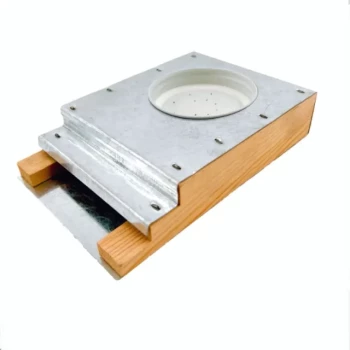
Specialized feeders can be used to deliver large volumes of prepared syrup or nectar substitutes quickly. This allows the colony to build up food reserves rapidly before the cold sets in, compensating for harvested honey or poor nectar flow.
Solid Emergency Feeds
In extreme winter weather, liquid syrup may be difficult for bees to process or access. Protein-rich candy boards offer a solid alternative.
These boards provide a dense source of sucrose that sits directly above the cluster, ensuring the bees have immediate access to energy without breaking their formation.
Supporting Health and Brood with Protein
While carbohydrates provide heat, protein is the building block for the bees' physical bodies and immune systems.
Pollen Patties and Substitutes
A colony typically requires at least two full frames of natural pollen to overwinter successfully. If this is absent, pollen patties or specialized protein substitutes are essential.
These supplements ensure that "winter bees"—physiologically distinct bees designed to live longer—maintain their fat bodies and immune tolerance. Without sufficient protein, the colony faces a higher risk of malnutrition and collapse before spring.
Supporting Spring Brood Rearing
Protein supplements serve a secondary, critical function: preparing for spring.
When the queen begins laying eggs in late winter, the colony requires immense protein reserves to rear larvae. Providing pollen substitutes ensures this process can begin even if natural foraging is still impossible.
Understanding the Trade-offs
While supplements are lifesaving, they are not a perfect replacement for natural resources.
The Limits of Artificial Feed
Supplements prevent starvation, but natural honey remains the ideal food source for bees. Artificial feeds must be managed carefully; relying on them too heavily can be a sign of over-harvesting honey in September.
Weight Management is Critical
Simply providing food is not enough; the total volume matters. A healthy hive needs 60 to 90 pounds of food stores (or a total hive weight of 130–150 pounds) to survive. Feeding must continue until these weight targets are met, not just until the bees stop taking the syrup.
Making the Right Choice for Your Goal
Select your supplementation strategy based on the specific deficit your hive is facing.
- If your primary focus is increasing hive weight: Prioritize heavy feeding of sugar syrup or specialized nectar substitutes using internal feeders to bulk up carbohydrate stores for heat generation.
- If your primary focus is emergency winter survival: Utilize protein-rich candy boards to provide an accessible, solid food source during freezing temperatures.
- If your primary focus is colony health and spring readiness: Introduce pollen patties or protein substitutes to boost immune function and fuel early brood rearing.
Successful overwintering requires aggressive nutritional management today to ensure a productive workforce tomorrow.
Summary Table:
| Supplement Type | Primary Function | Ideal Usage Scenario |
|---|---|---|
| Sugar Syrup | Carbohydrate/Energy | Pre-winter bulk feeding to increase hive weight |
| Pollen Patties | Protein/Immunity | Supporting 'winter bee' health and early brood rearing |
| Candy Boards | Emergency Fuel | Solid food source for immediate access during freezing cold |
| Nectar Substitutes | Thermal Energy | Rapidly building reserves when natural flow is insufficient |
Secure Your Apiary’s Success with HONESTBEE
Don't let your colonies face the winter unprepared. HONESTBEE is the dedicated partner for commercial apiaries and distributors, offering a comprehensive wholesale range of professional-grade beekeeping tools and machinery. Whether you need high-efficiency feeding systems, hive-making machines, or specialized honey-filling equipment, we provide the industrial-strength solutions required to scale your operations and protect your livestock.
Empower your business with premium equipment and essential consumables—Contact our experts today to discuss our wholesale offerings!
Related Products
- HONESTBEE Professional Entrance Bee Feeder Hive Nutrition Solution
- HONESTBEE Round Hive Top Bee Feeder for Syrup
- HONESTBEE Entrance Bee Feeder Professional Hive Nutrition Solution for Beekeeping
- In-Hive Dual Compartment Frame Bee Feeder for Targeted Colony Nutrition
- HONESTBEE Professional Hive Top Bee Feeder Feeding Solution
People Also Ask
- What types of bee feeders are available for beginners? Start with the Simple Entrance Feeder
- What are the advantages and disadvantages of using an entrance feeder for bees? Balance Convenience and Hive Security.
- How does a bee entrance feeder work? A Simple Guide to Convenient Hive Feeding
- What is a bee entrance feeder and what are its drawbacks? Essential Guide to Hive Security and Feeding Efficiency
- How to make an entrance feeder for bees? A DIY Guide for Safe & Effective Feeding