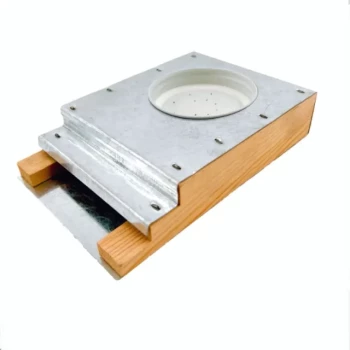
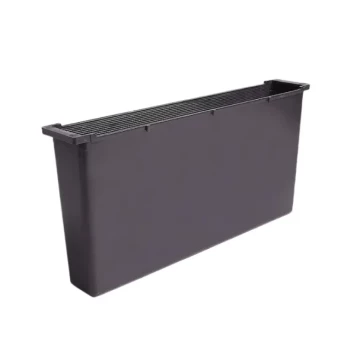
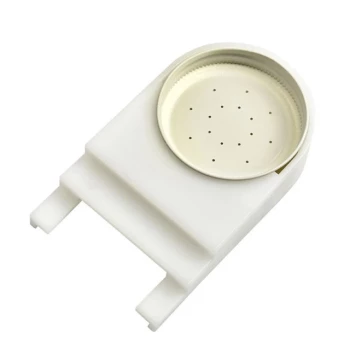
Feeding bees is a strategic intervention, not a routine maintenance task. It is strictly essential during two critical phases: when establishing a new colony that lacks resources to build infrastructure, and during the colder months when natural food stores are insufficient to prevent starvation.
A bee feeder functions as a temporary bridge to self-sufficiency, not a permanent food source. It should only be deployed when a colony’s survival is at risk due to a lack of infrastructure or environmental scarcity.
Critical Times for Intervention
Establishing a New Colony
When you first install a package of bees, they arrive in a new home with absolutely no resources.
This is the most critical time to feed. These bees require immediate energy not just to survive, but to undertake the energy-intensive task of secreting wax to build new comb.
Without a feeder providing a steady supply of sugar syrup, a new colony—or even a small "nuc" trying to expand—risks failing to establish the infrastructure needed to store future food.
Winter Preparation and Survival
The second essential period occurs as winter approaches and during the cold months themselves.
If a colony enters winter without adequate honey stores, they will likely starve before spring.
Beekeepers must monitor hives in the fall; if reserves are light due to a poor season, a feeder is necessary to "heavy up" the hive for the dormant season.
Environmental Scarcity
While less common than the two scenarios above, feeding may become essential during the active season if environmental conditions turn hostile.
Severe droughts or a "dearth" (a period with no blooming flowers) can deplete a colony's stores rapidly.
In these instances, the feeder acts as an emergency stopgap to prevent the colony from consuming its winter reserves too early.
Understanding the Trade-offs
The Risk of Routine Feeding
A common mistake is leaving a feeder on a hive throughout the entire summer "just in case."
This is considered poor practice. Bees are naturally industrious foragers, and nectar found in nature provides better nutrition than the sugar water provided in a feeder.
Dependency vs. Self-Sufficiency
The goal of beekeeping is to help the colony become self-sufficient.
Continuous feeding can mask underlying issues with the colony or the local environment.
Furthermore, if bees fill their comb with sugar syrup during the honey flow, it dilutes the quality of the honey you might intend to harvest.
Strategic Application for Your Apiary
Feeding is a balance of observation and action. Use the following guide to determine your next step:
- If your primary focus is starting a new hive: Feed immediately and continuously until they have drawn out the majority of their comb foundations.
- If your primary focus is winter prep: Weigh your hive in the early fall; if they are light, feed heavily before the temperatures drop to freezing.
- If your primary focus is a healthy summer colony: Remove the feeder and allow the bees to forage naturally, provided there are blooming plants available.
Feed to save the bees, not to spoil them.
Summary Table:
| Scenario | Necessity Level | Primary Reason for Feeding |
|---|---|---|
| New Colony/Package | Critical | Energy for wax secretion and building comb infrastructure |
| Winter Preparation | Essential | Supplementing light honey stores to prevent starvation |
| Summer Dearth | Emergency | Replacing natural nectar during droughts or flower shortages |
| Established Colony | Low | Natural foraging is preferred for superior honey quality |
Scale Your Apiary Success with HONESTBEE
At HONESTBEE, we understand that strategic feeding is the backbone of a resilient apiary. Whether you are managing commercial honey production or distributing professional-grade beekeeping supplies, we provide the tools you need to thrive. From high-capacity bee feeders and advanced hive-making machinery to specialized honey-filling equipment and industry consumables, our comprehensive wholesale portfolio is designed for efficiency and durability.
Ready to optimize your beekeeping operations? Contact us today to discover how our premium hardware and honey-themed cultural merchandise can add value to your business. Let’s build stronger colonies together!
Related Products
- Rapid Bee Feeder White Plastic 2L Round Top Feeder for 8 or 10-Frame Bee Hives
- White Plastic 0.5L Beekeeping Entrance Feeder for Bees
- HONESTBEE Entrance Bee Feeder Professional Hive Nutrition Solution for Beekeeping
- HONESTBEE Professional Entrance Bee Feeder Hive Nutrition Solution
- Boardman Entrance Bee Feeder Durable Galvanized Steel and Wood Construction for Beekeeping
People Also Ask
- What should be done with feeders and equipment after feeding bees? Essential Steps for Apiary Health
- What should be done if feed in a feeder is not consumed by the bees? Prevent Hive Mold with Prompt Feed Management
- What is the necessity of specialized internal or entrance feeders? Secure Your Hive with Professional Feeding Tools
- How do bee feeders work to preserve colony health during nectar shortages? Essential Guide for Beekeepers
- How quickly does a medium to strong colony usually empty a feeder? A Beekeeper's Guide to Hive Health