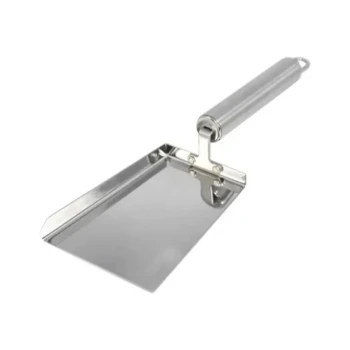
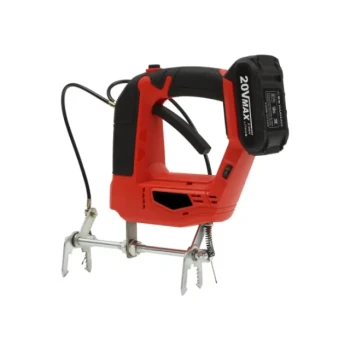
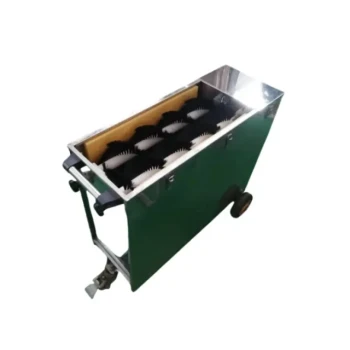
In commercial beekeeping within dense arboreal landscapes, automatic pollen collection tools are essential because they allow beekeepers to capitalize on brief, intense flowering periods. These tools intercept high volumes of diverse pollen at the hive entrance during "explosive" seasonal bursts without disrupting the colony's natural growth cycle.
The Core Insight In environments dominated by trees and shrubs, pollen production occurs in rapid, high-volume spikes rather than steady flows. Automatic collection is the only viable method to harvest these diverse, high-value yields efficiently while generating standardized material suitable for automated processing.
Navigating High-Density Floral Environments
The Challenge of Explosive Blooms
Landscapes rich in trees and shrubs function differently than standard agricultural crop fields.
Pollen sources in these areas do not bloom continuously; they erupt in explosive, seasonal bursts. This creates a very narrow window of opportunity for the beekeeper to gather resources.
The Role of Automated Interception
To capture this resource, automatic tools are installed directly at the hive entrance.
They are designed to efficiently intercept pollen as foragers return. This ensures that the massive influx of material generated during a bloom is collected immediately, rather than lost due to the limitations of manual harvesting.
Balancing Harvest and Hive Health
Protecting Colony Development
A primary concern in commercial pollen collection is the impact on the bees.
According to the primary data, automatic tools capture pollen without hindering the development of the bee colony. This allows the hive to maintain its population and health even while significant resources are being harvested.
Generating High-Value Products
The diversity of trees and shrubs leads to a variety of pollen types.
Automation allows for the consistent collection of these diverse pollen types, resulting in high-value, multi-variety pollen products that command better market positioning.
The Operational Reality: Requirements and Constraints
The Necessity of Standardization
For commercial operations, the collection is only the first step.
Automatic tools provide a standardized raw material. This uniformity is critical for subsequent automated processing stages, ensuring the pollen can be cleaned, dried, and packaged efficiently.
Synchronization with Nature
The effectiveness of this technology relies on the specific nature of the landscape.
Because these blooms are "explosive," the tools must be in place and operational exactly when the burst occurs. Failing to synchronize the automation with the seasonal bloom results in a missed harvest that cannot be recovered.
Making the Right Choice for Your Goal
To maximize the potential of tree and shrub landscapes, align your equipment with your specific commercial objectives.
- If your primary focus is Product Quality: Use automatic tools to capture diverse pollen types during peak blooms to create high-value, multi-variety products.
- If your primary focus is Process Efficiency: Leverage these tools to generate standardized raw material that streamlines your downstream automated processing.
By automating the interception of these seasonal bursts, you turn a fleeting natural phenomenon into a stable commercial asset.
Summary Table:
| Feature | Benefit in Tree/Shrub Landscapes | Commercial Advantage |
|---|---|---|
| Automated Interception | Captures pollen during brief, explosive blooms | Maximizes harvest volume without manual labor |
| Entrance-Based Design | Minimal disruption to the colony growth cycle | Maintains hive health and population density |
| Standardized Collection | Uniform raw material output | Streamlines automated cleaning and drying processes |
| Multi-Variety Capture | Efficiently harvests diverse floral sources | Produces high-value, multi-floral pollen products |
Scale Your Commercial Pollen Production with HONESTBEE
To succeed in dense arboreal landscapes, you need equipment that matches the pace of nature. HONESTBEE specializes in supporting commercial apiaries and distributors with a complete range of professional beekeeping tools and machinery. From automatic pollen collectors that capture high-value yields to honey-filling machines and specialized hardware, our wholesale solutions are designed to optimize your efficiency and product quality.
Ready to upgrade your apiary’s performance? Contact our experts today to discover how our comprehensive equipment portfolio can transform your seasonal harvests into a stable commercial asset.
References
- Fazlı Öztürk, Kumru Özge GÖRHAN. Seyhan (Adana) İlçesi Peyzaj Bitkilerinin Arıcılık Açısından Değerlendirilmesi. DOI: 10.46291/ispecjasvol5iss4pp939-948
This article is also based on technical information from HonestBee Knowledge Base .
Related Products
- Stainless Steel Pollen Shovel with Wooden Handle
- Heavy-Duty Ergonomic Grip Galvanized Pollen Shovel
- Plastic Bee Pollen Trap Strips Comb Catcher Collector
- Heavy-Duty Ergonomic Stainless Steel Pollen Shovel
- 30 cm Plastic Entrance Hole Bee Pollen Trap and Collector
People Also Ask
- How do bee pollen collection tools affect the quality of bee pollen used in functional dairy ice cream production?
- Why should commercial apiaries focus on the collection of diversified bee products? Maximize Your Hive’s Profit Potential
- How does a specialized pollen collector facilitate the harvesting of diverse bee products? Automate High-Value Yields
- What is the impact of pollen collectors and associated equipment on the cost structure of pollen production? Maximize ROI
- What is the technical significance of using specialized cutting tools for propolis? Master Precision Pollen Harvesting