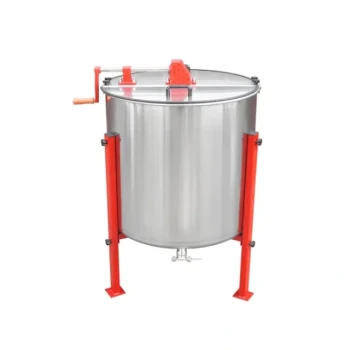
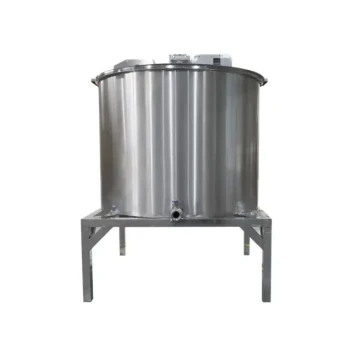
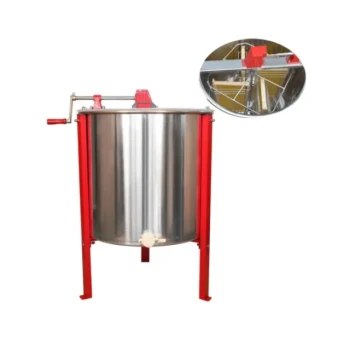
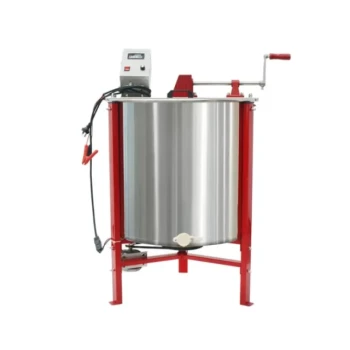
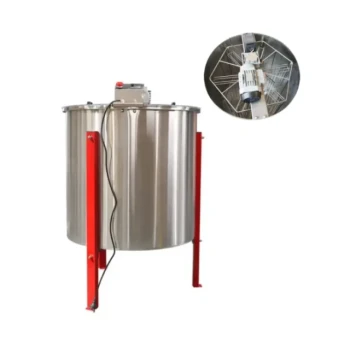
Automatic Royal Jelly Extraction Instruments were developed primarily to resolve the bottleneck of manual labor. These devices replace slow, physically demanding hand-extraction methods, allowing producers to process a large number of queen cups with speed and consistency. By introducing automation at this specific stage, commercial apiaries can dramatically increase their operational efficiency and total output.
The critical value of automation lies not just in volume, but in bio-preservation. By drastically shortening the time royal jelly is exposed to the environment, these instruments protect the substance's sensitive active components from degradation.
The Drivers for Automation: Efficiency and Scale
Eliminating Manual Constraints
Manual harvesting is the most labor-intensive phase of royal jelly production. Automatic instruments are designed specifically to replace these repetitive manual tasks, removing the physical strain on workers.
Enhancing Commercial Throughput
To be commercially viable, apiaries must process massive quantities of queen cups. Automatic instruments can extract jelly from large numbers of cups simultaneously, a feat impossible with manual tools.
Improving Hygienic Standards
Manual handling increases the risk of contamination. Automated extraction offers a hygienic alternative, minimizing direct contact and ensuring a cleaner final product.
Preserving Quality Through Speed
Minimizing Environmental Exposure
Royal jelly is a sensitive biological substance that degrades when exposed to air and heat. Automation significantly shortens the exposure time of the jelly to room temperature during the harvesting process.
Protecting Active Components
The speed of extraction is directly linked to the potency of the product. By extracting the jelly quickly, these instruments effectively preserve the active biological components, ensuring the final product maintains its nutritional and medicinal value.
Understanding the Operational Context
The Necessity of Precision
While automation handles the physical extraction, the timing of the harvest remains critical. Production follows a strict 72-hour cycle to prevent larvae from developing too far and to curb swarming impulses.
Automation Within the Cycle
Automatic instruments do not replace the need for strict schedule management. They are tools used to capitalize on the precise 3-day harvest window, ensuring the maximum amount of jelly is collected before the colony's biology shifts.
Making the Right Choice for Your Goal
To determine if automatic extraction fits your production model, consider your primary objectives:
- If your primary focus is Commercial Scale: Automation is essential to handle the volume of queen cups required for profitability without increasing labor costs.
- If your primary focus is Product Potency: Automation is the best method to reduce environmental exposure and lock in the bio-active quality of the jelly.
By bridging the gap between high-volume demands and biological fragility, automatic extraction instruments are the key to modernizing royal jelly production.
Summary Table:
| Feature | Manual Extraction | Automatic Extraction |
|---|---|---|
| Labor Intensity | Extremely High | Low to Minimal |
| Throughput | Limited by Human Speed | High-Volume Commercial Scale |
| Hygiene Control | Variable (Direct Contact) | High (Standardized Process) |
| Potency Protection | Low (Long Air Exposure) | High (Rapid Processing) |
| Cost Efficiency | High Labor Costs | High Long-term ROI |
Elevate Your Commercial Apiary with HONESTBEE
Transitioning to automated production is the key to balancing high-volume output with pharmaceutical-grade quality. At HONESTBEE, we specialize in supporting commercial apiaries and distributors with a comprehensive range of professional beekeeping machinery—from advanced Automatic Royal Jelly Extraction Instruments to hive-making and honey-filling systems.
Whether you are looking to scale your operations or source high-quality industry consumables, our expert team is ready to provide the hardware and support you need to thrive in the global market.
Ready to modernize your production? Contact HONESTBEE today for a consultation and wholesale catalog!
References
- Huoqing Zheng, Fuliang Hu. Beekeeping Industry In China. DOI: 10.1080/0005772x.2011.11417406
This article is also based on technical information from HonestBee Knowledge Base .
Related Products
- Plastic Chinese Queen Grafting Tool for Bee Queen Rearing
- Manual Hand Crank 4 Frame Honey Extractor Centrifuge for Beekeeping
- HONESTBEE 72 Frame Industrial Electric Honey Extractor for Beekeeping
- 6 Frame Manual Stainless Steel Honey Extractor Beekeeping Equipment
- HONESTBEE 2 Frame Manual Acrylic Honey Extractor Beekeeping Equipment
People Also Ask
- Why is it necessary for migratory beekeeping enterprises to utilize professional queen bee rearing tools? Boost Resilience
- What specialized tools and frame configurations are needed for larval grafting during queen rearing, and how are queen cells properly spaced? Master the essentials for efficient queen production
- What are the benefits of using a queen grafting tool for queen rearing? Master Precision for Superior Bee Genetics
- What is grafting in queen rearing? Take Control of Your Apiary's Genetics
- What are the steps involved in using a queen grafting tool? A Guide to Successful Queen Rearing