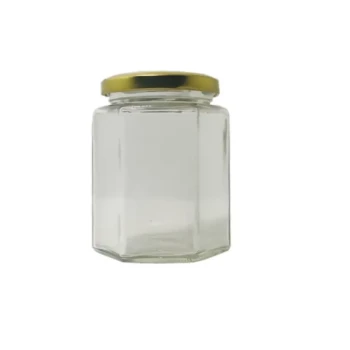
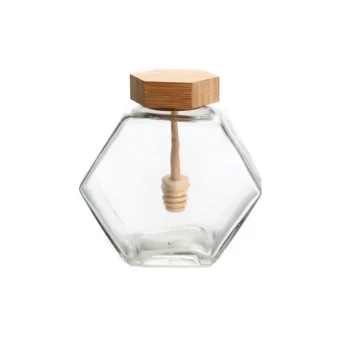
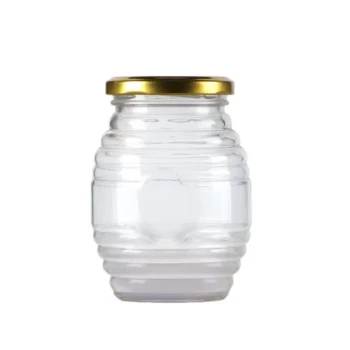
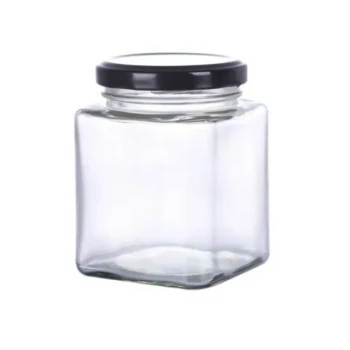
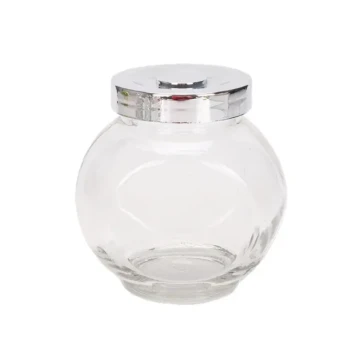
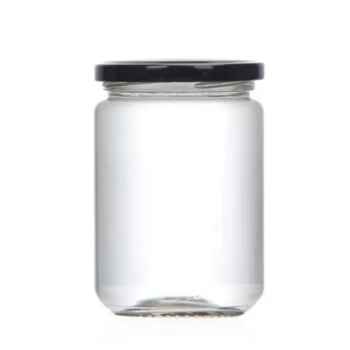
Dark glass wide-mouth jars are the superior choice for honey storage because they simultaneously address the two biggest threats to sample integrity: light exposure and chemical contamination. These containers provide a chemically inert environment that eliminates the risk of plasticizer migration while actively shielding light-sensitive enzymes and antioxidants from degradation, ensuring that laboratory results reflect the honey's true original state.
Core Takeaway: The chemical complexity of honey—specifically its enzymes, antioxidants, and acidic nature—requires a storage vessel that is both opaque and non-reactive. Dark glass is the only material that stabilizes these volatile components while preventing the absorption of external moisture and impurities.
The Science of Light Protection
Preventing Photochemical Reactions
Honey contains bioactive substances that are highly sensitive to light radiation. Dark glass acts as a physical barrier, filtering out ultraviolet rays and strong light that trigger photochemical reactions within the sample.
Preserving Antioxidants and Phenolics
When honey is exposed to light, its antioxidant components, particularly phenolic compounds, begin to degrade. Dark glass jars arrest this process, maintaining the sample's original nutritional and chemical profile for accurate classification.
Stabilizing Enzymatic Activity
Enzymes are a critical marker of honey quality, but they are easily inactivated by light exposure. Using opaque or dark glass ensures that light-sensitive enzymes remain active, allowing for precise measurement of biological activity during analysis.
Chemical Inertness and Purity
Eliminating Plasticizer Migration
Honey is naturally acidic, which can cause plastic containers to degrade or leach chemicals over time. Glass offers superior chemical stability, ensuring that plasticizers or other packaging materials do not migrate into the honey and skew analytical data.
Preventing Trace Metal Contamination
Standard plastic packaging can introduce trace metals into the sample, altering the honey's mineral profile. Clean glass bottles are chemically inert, preserving the purity of the original mineral elements required for geographical and botanical origin identification.
Protecting Against Acidic Reactions
Because glass does not react with the acidic components of honey, the sample maintains its original physicochemical state. This stability is essential for monitoring parameters like acidity and pH without interference from the container material.
Moisture Control and Airtightness
Countering Hygroscopic Properties
Honey is hygroscopic, meaning it readily absorbs moisture from the surrounding air. High-quality glass jars with tight-sealing caps provide the airtightness necessary to prevent moisture absorption, keeping water content within the standard 16% to 18% range.
Preventing Fermentation and Spoilage
By blocking moisture entry, glass jars prevent the dilution of sugars that can lead to fermentation. This barrier protection ensures the honey does not spoil or undergo oxidative degradation before it reaches the laboratory.
Stabilizing HMF Content
The airtight and light-protected environment of a dark glass jar stabilizes Hydroxymethylfurfural (HMF) content. HMF is a key indicator of honey freshness, and glass ensures this marker remains unchanged by external environmental factors.
Understanding the Trade-offs
Physical Fragility
While glass provides superior chemical protection, it is mechanically brittle. Care must be taken during transport to prevent breakage, which results in the immediate and total loss of the sample.
Weight and Logistics
Glass is significantly heavier than plastic, which increases shipping costs and logistical complexity. This factor must be weighed against the necessity for high-precision chemical analysis.
Thermal Shock Sensitivity
Glass jars can crack if exposed to rapid, extreme temperature changes. Samples stored in cold environments (such as 4°C) must be handled carefully when brought to room temperature to maintain container integrity.
Making the Right Choice for Your Goal
To ensure your honey samples yield accurate data, select your container based on your specific analytical needs:
- If your primary focus is Chemical and Mineral Analysis: Use glass to eliminate the risk of plasticizer leaching and trace metal contamination.
- If your primary focus is Enzyme and Antioxidant Profiling: Use dark glass specifically to prevent UV-induced degradation of bioactive compounds.
- If your primary focus is Pollen and Origin Identification: Use wide-mouth glass with a high-quality seal to protect delicate pollen grains from moisture and oxidation.
By utilizing dark glass wide-mouth jars, you ensure that the sample analyzed in the lab is chemically identical to the honey harvested from the hive.
Summary Table:
| Feature | Benefit for Honey Samples | Why It Matters |
|---|---|---|
| UV Filtration | Protects enzymes and antioxidants | Prevents photochemical degradation |
| Chemical Inertness | Zero plasticizer migration | Ensures pure, accurate lab results |
| Airtight Seal | Moisture barrier | Prevents fermentation and sugar dilution |
| Wide-Mouth Design | Easy access | Facilitates sampling of high-viscosity honey |
| HMF Stability | Environmental isolation | Maintains freshness and quality markers |
Elevate Your Honey Standards with HONESTBEE
Maintaining the purity of honey from hive to laboratory is critical for commercial success. At HONESTBEE, we specialize in supporting commercial apiaries and distributors with high-performance solutions. Whether you need specialized honey-filling machines for high-volume production or the full spectrum of wholesale beekeeping tools and hardware, we provide the equipment necessary to preserve your honey's quality.
Ready to scale your operation with professional-grade machinery and industry-leading consumables? Contact us today to discover how our comprehensive portfolio can optimize your production and protect your brand's integrity.
References
- E. Nafea, S. Elsayeh. The Physical and Chemical Properties of Bee Honey Produced in North SinaiGovernorate, Egypt. DOI: 10.36632/mejas/2023.13.4.40
This article is also based on technical information from HonestBee Knowledge Base .
Related Products
- Hexagonal Glass Honey Jars with Metal Lug Caps Elegant Versatile Packaging
- Hexagonal Glass Honey Jar with Wooden Lid Integrated Dipper Elegant Functional Storage
- Classic Glass Honey Jar with Metal Lug Cap for Beehive Storage
- Modern Square Glass Honey Jar with Twist Off Lid
- Classic Drum Shaped Glass Honey Jar with Airtight Lid
People Also Ask
- What is the aesthetic appeal of using glass jars for honey? Elevate Your Brand with Premium Packaging
- What are the logistical challenges associated with using glass jars for honey packaging? Navigating Weight & Fragility
- What are the advantages of glass containers for honey? Elevate Quality and Market Value with Premium Packaging
- What are the technical advantages of using glass jars for honey? Master Commercial Packaging for Premium Purity
- What are the advantages of using glass jars for honey packaging? Preserve Purity & Elevate Your Brand