Disposable nitrile or latex gloves act as a critical biological firewall when handling primary bee pollen products. They serve two essential functions: preventing the transfer of dangerous bacteria like Enterobacteriaceae from the operator to the food, and shielding the operator from skin infections caused by contact with fresh pollen. Using these consumables is the only way to ensure both personnel safety and the preservation of the product's sensory quality.
The use of disposable gloves is not merely a procedural formality; it is a fundamental control measure required to break the chain of infection between the operator and the raw product. It simultaneously secures the biological purity of the pollen and protects the workforce from occupational dermatological risks.
Protecting Product Integrity
Preventing Microbial Contamination
The primary risk in handling raw bee products is the introduction of external pathogens. Human hands naturally carry various flora that can contaminate food sources.
Using gloves creates an impermeable barrier against specific bacteria, notably Enterobacteriaceae. Preventing the transfer of these microorganisms is vital for ensuring the pollen remains safe for human consumption.
Maintaining Sensory Quality
Bee pollen is valued for its specific organoleptic properties—its taste, smell, and texture.
Direct contact with bare skin can introduce oils, sweat, and biological contaminants that degrade these qualities. Gloves ensure the product retains the high sensory standards expected by consumers and regulators.
Safeguarding Personnel Health
Risks of Handling Fresh Pollen
Fresh bee pollen is a bioactive substance. Direct, prolonged contact with the skin poses distinct occupational health risks to the operator.
The primary reference indicates that handling fresh pollen without protection can lead to skin infections. This suggests that the pollen itself, or the micro-flora associated with it, can be pathogenic to the skin surface.
The Glove as a Personal Protective Equipment (PPE)
In this context, gloves function as essential PPE. They isolate the operator's skin from the raw material.
By preventing direct physical contact, you significantly reduce the likelihood of work-related dermatological issues, ensuring the long-term health and availability of your workforce.
Understanding the Trade-offs
The "Sterility Illusion"
A common pitfall is the belief that wearing gloves automatically guarantees hygiene. Gloves are only effective if they are truly disposable and changed frequently.
If an operator treats gloves as a permanent "second skin" and fails to change them between tasks, they can become a vehicle for cross-contamination rather than a barrier against it.
Material Selection: Nitrile vs. Latex
While both materials provide the necessary barrier, they carry different implications.
Latex offers excellent dexterity but poses an allergy risk to both the operator and the consumer (if latex proteins transfer to the pollen). Nitrile is generally preferred in modern food processing to eliminate the variable of latex allergies.
Making the Right Choice for Your Protocol
To implement an effective safety strategy, assess your current goals against the risks:
- If your primary focus is Consumer Safety: Prioritize glove usage specifically to block the transmission of Enterobacteriaceae and preserve the pollen's sensory profile.
- If your primary focus is Occupational Health: Mandate glove usage to prevent skin infections among staff members handling fresh pollen batches.
Treat disposable gloves not as an optional accessory, but as a mandatory component of the production environment that preserves the integrity of both the human operator and the biological product.
Summary Table:
| Feature | Nitrile Gloves | Latex Gloves |
|---|---|---|
| Primary Function | Biological barrier against bacteria | Biological barrier against bacteria |
| Microbial Protection | Blocks Enterobacteriaceae transfer | Blocks Enterobacteriaceae transfer |
| Skin Safety | Prevents occupational skin infections | Prevents skin infections (allergy risk) |
| Product Integrity | Preserves sensory & organoleptic quality | Preserves sensory & organoleptic quality |
| Allergy Risk | Low / Latex-free | High for sensitive operators/consumers |
| Best Use Case | Modern food-safe pollen processing | High-dexterity handling tasks |
Secure Your Apiary’s Standards with HONESTBEE
Maintaining the biological purity of bee pollen requires high-quality consumables and precise equipment. At HONESTBEE, we specialize in supporting commercial apiaries and distributors with a comprehensive range of professional tools and machinery.
Whether you need specialized hardware like honey-filling machines, durable hive-making equipment, or a reliable supply of essential industry consumables to protect your workforce and products, we have you covered. Our portfolio extends from heavy machinery to honey-themed cultural merchandise, providing a true one-stop-shop for the beekeeping industry.
Enhance your production safety and efficiency today. Contact our wholesale experts to learn how our tailored solutions can benefit your business!
References
- П. Парванов, D. Dinkov. Proposals for desiccated bee pollen production and labeling.. DOI: 10.35841/nutrition-human-health.1.2.13-16
This article is also based on technical information from HonestBee Knowledge Base .
Related Products
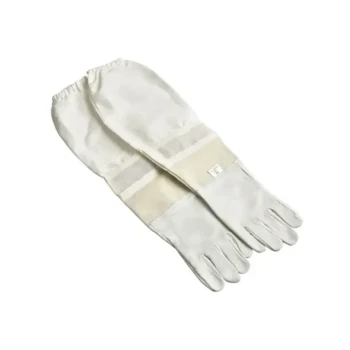
- Goatskin Leather Beekeeper Gloves with Vent Long Sleeve for Beekeeping Honey Bee Sting Proof Protection
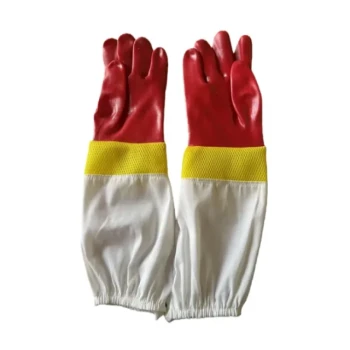
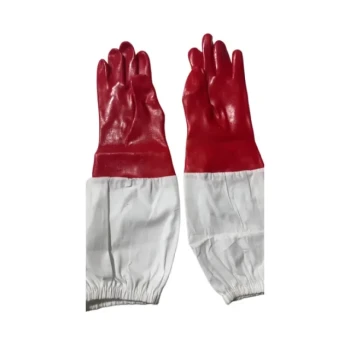
- Heavy Duty Red Rubber Beekeeping Gloves with Vented Mesh Cotton Sleeves
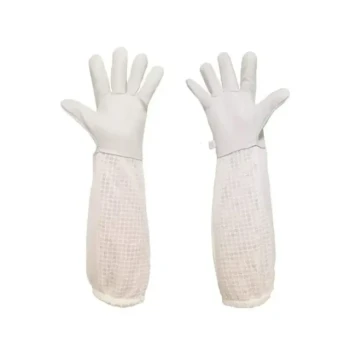
- Beekeeping Gloves Goatskin Leather with Long Cotton Sleeve for Beekeepers
- Goat Skin Leather Bee Sting Proof Beekeeping Gloves with Canvas Sleeve
- Heavy Duty Red Rubber Beekeeping Gloves with Extended Pure Cotton Sleeves for Beekeepers
People Also Ask
- What are the characteristics of goatskin beekeeping gloves? Enhance Dexterity and Protection in Your Apiary
- Why is it important to have gloves available even if not always worn? Essential Risk Management for Beekeepers
- What are the primary purposes of using beekeeping gloves? Protect Your Hands and Ensure Apiary Hygiene
- Why do some experienced beekeepers opt not to wear gloves? Discover the Benefits of Tactile Precision
- Why is it important for beekeepers to wear gloves? Essential Safety and Confidence for Hive Management