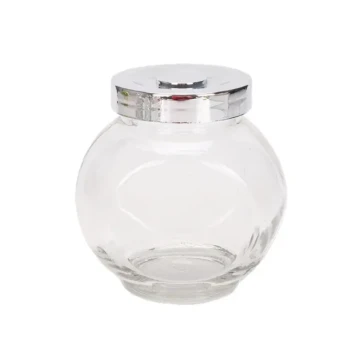
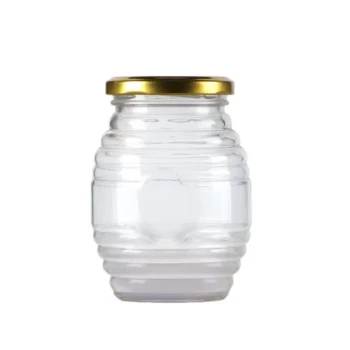
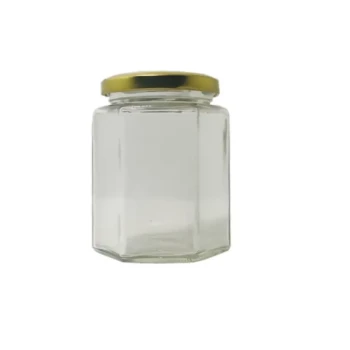
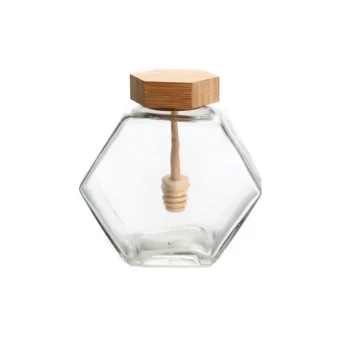
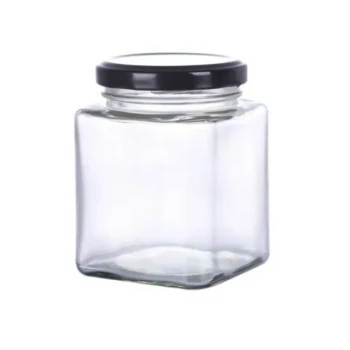
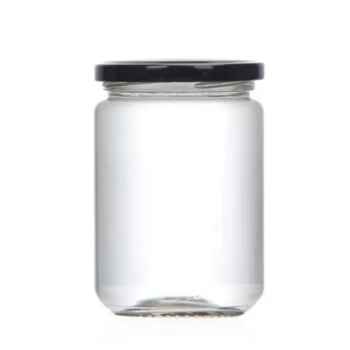
High-airtightness screw-cap glass storage jars are the critical defense against environmental contamination and chemical degradation in honey samples. Their primary function is to create an impermeable barrier that prevents hygroscopic honey from absorbing atmospheric moisture, while simultaneously halting oxidative degradation during cold storage (typically 3±2°C) to ensure laboratory results reflect the true nature of the sample.
Core Takeaway Because honey is highly hygroscopic and chemically complex, using inferior packaging compromises sample integrity through moisture absorption and oxidation. High-sealing glass containers serve as a stable isolation chamber, locking in physicochemical parameters like moisture content and acidity to guarantee the accuracy of sensory evaluation and botanical origin identification.
Combating Hygroscopicity and Moisture Drift
The Moisture Magnet Problem
Honey is a highly hygroscopic substance, meaning it actively attracts and holds water molecules from the surrounding environment. Without a high-airtightness seal, the sample will pull moisture from the air, altering its fundamental composition during logistics and storage.
Preserving Physicochemical Baselines
Laboratory analysis relies on specific baselines; for honey, moisture content is typically maintained between 16% and 18%. A screw-cap glass jar ensures this parameter remains stable, preventing artificial dilution that would skew analytical data.
Preventing Fermentation and Spoilage
If the moisture content rises due to a poor seal, the honey becomes susceptible to fermentation by osmotolerant yeasts. High-density glass combined with a tight seal effectively blocks the moisture ingress that triggers this spoilage, preserving the sample's biological viability.
Ensuring Chemical Inertness and Stability
The Importance of Glass Inertness
Honey is naturally acidic and contains sensitive biochemical components like amino acids and enzymes. Industrial-grade glass offers superior chemical inertness, ensuring the container does not react with the honey’s acidity or leach substances into the sample, which can occur with lower-grade materials.
Blocking Oxidative Degradation
Exposure to oxygen leads to oxidative degradation, which alters the honey's flavor and chemical profile. A high-sealing screw cap creates a sterile, anaerobic-like environment that suppresses oxidation reactions, maintaining the stability of volatile flavor compounds.
Protecting Sensory Authenticity
To perform accurate sensory evaluations and origin traceability, the sample must retain its original aroma and taste. Glass barriers prevent the intrusion of foreign odors from the logistics environment, ensuring the final sensory profile matches the conditions at the point of collection.
Understanding the Trade-offs
Fragility and Logistics Risk
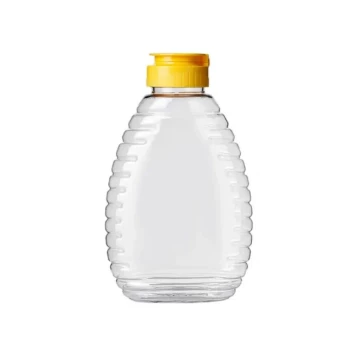
While glass offers superior chemical protection, it introduces a risk of breakage during transport compared to high-grade plastics. Logistics protocols must account for this fragility through protective secondary packaging to ensure the physical safety of the samples.
Weight and Cost Implications
Glass is significantly heavier than plastic alternatives, which can increase shipping costs and complicate handling in high-volume supply chains. However, this trade-off is often accepted to prioritize the data integrity of the samples over logistical economy.
Making the Right Choice for Your Goal
To select the appropriate storage protocol, weigh the priority of chemical precision against logistical constraints:
- If your primary focus is Chemical Analysis and Origin Identification: Prioritize glass containers to ensure absolute chemical inertness and stability of acidity and moisture levels.
- If your primary focus is Sensory Evaluation: Rely on high-sealing screw caps to prevent the absorption of environmental odors that could ruin the flavor profile.
- If your primary focus is Long-Term Cold Storage (3±2°C): Use glass to prevent oxidative degradation and moisture fluctuations over extended periods.
By treating the storage container as an active component of the analytical process, you ensure that the data generated in the lab faithfully represents the product from the apiary.
Summary Table:
| Feature | Benefit for Honey Samples | Impact on Analysis |
|---|---|---|
| High Airtightness | Prevents moisture ingress & fermentation | Maintains stable moisture content (16-18%) |
| Chemical Inertness | No reaction with honey's natural acidity | Ensures zero contamination of enzymes/amino acids |
| Oxygen Barrier | Halts oxidative degradation | Preserves volatile aroma and sensory profile |
| Screw-Cap Seal | Blocks environmental odors | Guarantees accurate botanical origin identification |
Secure Your Honey Sample Integrity with HONESTBEE
Maintaining the precision of your honey analysis starts with the right container. At HONESTBEE, we understand the unique challenges faced by commercial apiaries and distributors. We provide a comprehensive range of professional-grade beekeeping tools and high-quality storage solutions designed to protect your product from the hive to the lab.
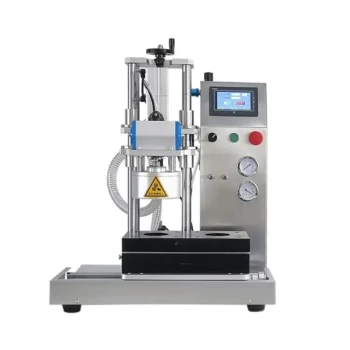
From industrial-grade glass storage jars to advanced honey-filling machinery, HONESTBEE is your partner in excellence. We offer a full spectrum of wholesale equipment and essential consumables tailored to the needs of the modern apiculture industry.
Ready to elevate your quality control?
Contact Us Today to Explore Our Wholesale Catalog
References
- María Cristina Ciappini, Amalia Mirtá Calviño. Development of a Quantitative Descriptive Sensory Honey Analysis: Application to Eucalyptus and Clover Honeys. DOI: 10.19026/ajfst.5.3169
This article is also based on technical information from HonestBee Knowledge Base .
Related Products
- Classic Drum Shaped Glass Honey Jar with Airtight Lid
- Classic Glass Honey Jar with Metal Lug Cap for Beehive Storage
- Hexagonal Glass Honey Jars with Metal Lug Caps Elegant Versatile Packaging
- Hexagonal Glass Honey Jar with Wooden Lid Integrated Dipper Elegant Functional Storage
- Modern Square Glass Honey Jar with Twist Off Lid
People Also Ask
- What is the best utensil to store honey? Preserve Purity with the Right Container
- How does the appearance of glass jar packaging affect the sales and perception of honey? Boost Your Premium Brand Value
- Why is a glass jar preferred for packaging honey? Ultimate Protection for Purity & Flavor
- What is the aesthetic appeal of using glass jars for honey? Elevate Your Brand with Premium Packaging
- What are the advantages of glass containers for honey? Elevate Quality and Market Value with Premium Packaging