Industrial-grade glass containers are the preferred choice for honey storage because they provide superior chemical inertness and an airtight seal, effectively preventing the sample from reacting with its environment. By blocking moisture absorption and ensuring the acidic honey does not leach chemicals from the container, glass preserves the stability of critical physicochemical parameters—such as acidity and moisture content—ensuring the accuracy of subsequent laboratory analysis and botanical origin identification.
Core Takeaway: Glass containers act as a neutral isolation chamber, eliminating variables like chemical migration and moisture fluctuation. This stability ensures that any changes observed in the honey are due to natural aging or specific experimental conditions (like temperature), rather than contamination by the storage vessel itself.
The Principle of Chemical Inertness
Preventing Acidic Reactions
Honey is naturally acidic and contains complex biochemical components. Unlike metal, which can corrode, or certain plastics that may degrade, industrial-grade glass is chemically inert.
It does not react with the acidic compounds in honey. This ensures that the container itself does not alter the chemical composition of the sample over time.
Eliminating Contaminant Migration
A primary risk in long-term storage is the migration of substances from the packaging into the product. Glass provides high chemical stability that effectively blocks the migration of external impurities into the sample.
This "zero-transfer" environment is critical for scientific analysis. It guarantees that the chemical fingerprint analyzed in the lab is identical to the original sample collected from the hive.
Controlling Hygroscopic Instability
The Moisture Barrier
Honey is highly hygroscopic, meaning it actively attracts and absorbs moisture from the surrounding atmosphere. If the moisture content rises above 20%, it creates an environment where osmophilic yeasts can proliferate, leading to fermentation and spoilage.
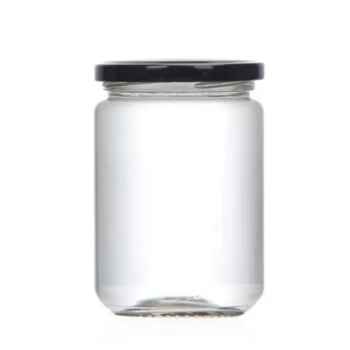
High-sealing glass containers (often with screw-caps) provide an impermeable barrier. This prevents environmental moisture from entering and ensures the sample's water content remains stable.
Maintaining Physiochemical Consistency
For samples stored at controlled temperatures (e.g., 4°C), maintaining a constant internal environment is vital. Glass prevents evaporation or absorption, stabilizing parameters like acidity and moisture content.
This stability is essential for identifying the botanical origin of the honey. If the physical properties shift due to storage issues, the identification data becomes unreliable.
Preservation of Bio-Activity and Structure
Protecting Pollen and Enzymes
Glass jars maintain the original state of delicate pollen grains found in honey. These grains are the key indicators used to determine the floral source of the honey.
Furthermore, glass protects heat-sensitive enzymes (such as catalase and amylase) from degradation, particularly in room-temperature laboratory environments. Preserving these enzymes ensures the reproducibility of biochemical indicator testing.
Shielding from Light (Amber Glass)
While clear glass offers chemical protection, dark or amber glass offers an additional layer of defense against ultraviolet (UV) radiation.
UV light can degrade light-sensitive active substances, including phenolic and flavonoid compounds. Using dark glass ensures that these bioactive components—and the honey's antioxidant properties—remain intact during transport and storage.
Understanding the Trade-offs
Fragility and Logistics
The most significant downside to glass is its fragility. Unlike plastic, glass requires robust, protective secondary packaging during transportation to prevent breakage and sample loss.
Weight and Cost
Glass is significantly heavier than plastic alternatives. This increases shipping costs and logistical complexity, particularly when transporting large numbers of samples for industrial or scientific purposes.
Light Exposure Risks
Standard clear glass does not filter light. If samples stored in clear glass are not kept in a dark environment, photo-oxidation can occur, degrading Hydroxymethylfurfural (HMF) levels and altering the honey's color and flavor profile.
Making the Right Choice for Your Goal
To select the correct container, you must align the specifications with your primary objective.
- If your primary focus is Botanical Origin Identification: Prioritize high-sealing, wide-mouth glass jars to protect pollen grains and prevent moisture fluctuations that could skew physicochemical data.
- If your primary focus is Bio-Active Compound Analysis: Choose sterilized amber or dark glass containers to block UV radiation and prevent the degradation of phenols, flavonoids, and light-sensitive enzymes.
- If your primary focus is Microbial Safety: Ensure the glass is sterilized and the moisture content is locked below 20% to prevent yeast fermentation and spoilage.
Ultimately, glass is the only material that offers the neutrality required to turn a honey sample into reliable scientific data.
Summary Table:
| Feature | Advantage for Honey Samples | Impact on Analysis |
|---|---|---|
| Chemical Inertness | No reaction with honey's acidity | Ensures zero contaminant migration and accurate chemical fingerprinting. |
| Moisture Barrier | Prevents hygroscopic absorption | Stops fermentation by keeping moisture <20% and stabilizing acidity. |
| Light Protection | Amber glass blocks UV radiation | Preserves light-sensitive enzymes, phenols, and flavonoid compounds. |
| Structural Integrity | Protects pollen grains | Critical for accurate botanical origin and floral source identification. |
Elevate Your Beekeeping Operation with HONESTBEE
At HONESTBEE, we understand that maintaining the purity and quality of honey is paramount for commercial success. Whether you are an industrial apiary or a global distributor, we provide the specialized tools and equipment needed to scale your production without compromising quality.
Our value to your business includes:
- Comprehensive Wholesale Solutions: From hive-making machinery to precision honey-filling systems.
- Full Spectrum Equipment: Durable hardware and essential industry consumables designed for heavy-duty use.
- Market Differentiation: Unique honey-themed cultural merchandise to enhance your brand's retail appeal.
Ready to optimize your honey processing and storage workflow? Contact us today to discuss your wholesale needs and see how our industrial-grade solutions can drive your growth.
References
- Ioannis K. Karabagias, Sofia Karabournioti. Discrimination of Clover and Citrus Honeys from Egypt According to Floral Type Using Easily Assessable Physicochemical Parameters and Discriminant Analysis: An External Validation of the Chemometric Approach. DOI: 10.3390/foods7050070
This article is also based on technical information from HonestBee Knowledge Base .
Related Products
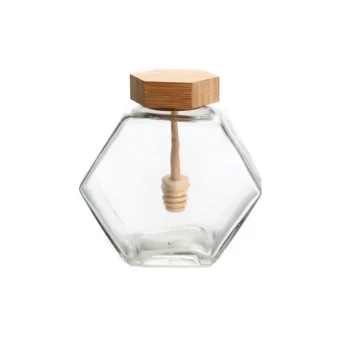
- Hexagonal Glass Honey Jar with Wooden Lid Integrated Dipper Elegant Functional Storage
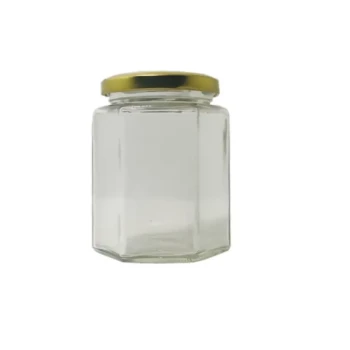
- Hexagonal Glass Honey Jars with Metal Lug Caps Elegant Versatile Packaging
- Classic Glass Honey Jar with Metal Lug Cap for Beehive Storage
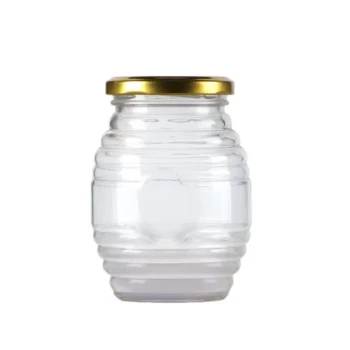
- Classic Drum Shaped Glass Honey Jar with Airtight Lid
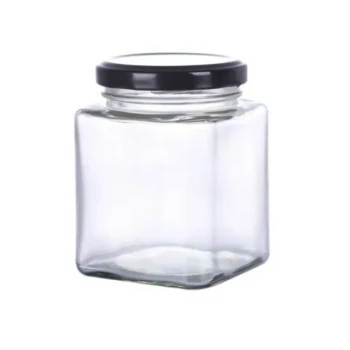
- Modern Square Glass Honey Jar with Twist Off Lid
People Also Ask
- What are the benefits of glass jars regarding strength and safety for storing honey? Ensure Purity and Long-Term Quality
- What are the advantages of using glass jars for honey storage? Ensure Purity and Premium Appeal for Your Product
- What is the aesthetic appeal of using glass jars for honey? Elevate Your Brand with Premium Packaging
- What are the advantages of glass containers for honey? Elevate Quality and Market Value with Premium Packaging
- What are the benefits of using high-transparency Glass Jars for honey? Elevate Purity and Premium Branding