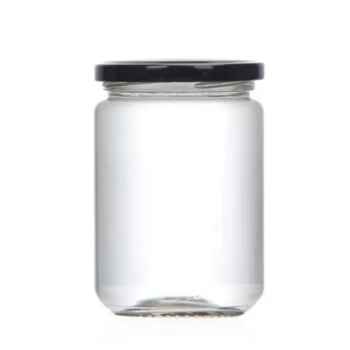
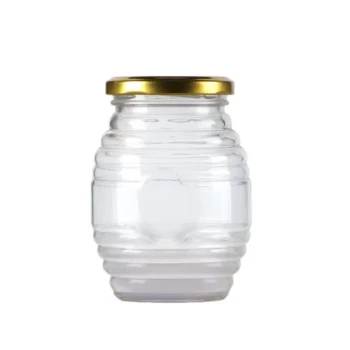
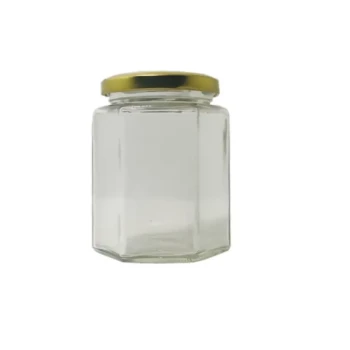
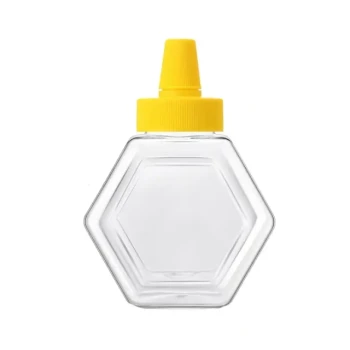
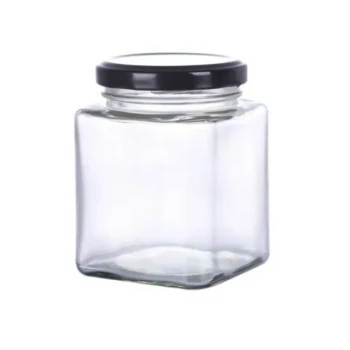
High-cleanliness sealed glass bottles are the industry standard for honey preservation due to their unique combination of chemical inertness and superior sealing capabilities. These containers prevent the material itself from reacting with honey’s naturally acidic composition while simultaneously creating a barrier against atmospheric moisture to stop fermentation and spoilage.
Honey is a dynamic, acidic substance that is highly susceptible to external contamination and environmental fluctuation. Using high-cleanliness glass serves a dual purpose: it isolates the sample from the atmosphere to prevent biological spoilage and eliminates chemical interference from the container to ensure analytical accuracy.
Preserving Chemical Integrity
The Critical Role of Inertness
Honey is naturally weakly acidic. High-cleanliness glass provides exceptional chemical inertness, meaning it will not react with these acidic components.
Unlike some plastics or metals, glass ensures that the container material does not degrade or leach into the sample. This prevents the introduction of foreign impurities that could alter the sample's composition.
Avoiding Trace Contamination
Maintaining the purity of the honey's original mineral profile is essential for accurate classification.
Clean glass bottles eliminate the risk of trace metal contamination or chemical migration often associated with plastic packaging. This guarantees that the sample analyzed in the lab is identical to the sample collected in the field.
Preventing Spoilage and Fermentation
Combating Hygroscopicity
Honey is hygroscopic, meaning it actively absorbs moisture from the surrounding air.
If the moisture content rises above critical levels (typically 20%), it creates an environment where osmophilic yeasts can proliferate. The superior sealing performance of glass bottles effectively blocks external moisture ingress.
Stabilizing the Biological State
By preventing moisture absorption, sealed glass bottles stop the fermentation process before it begins.
This stability is vital for preserving the original physicochemical indicators of the honey. It ensures that volatile flavor compounds and microbial communities remain undisturbed during transportation and storage.
Ensuring Reliable Laboratory Results
Protecting Key Indicators
For scientific research and quality control, specific markers such as Hydroxymethylfurfural (HMF) content and enzyme activity must remain stable.
Glass containers maintain the original physicochemical state of these elements. This creates a reliable baseline for subsequent analysis, including pollen identification and botanical origin tracing.
The Value of Cleanliness
Using "high-cleanliness" bottles specifically reduces the variable of pre-existing contaminants.
This ensures that any impurities detected during analysis are inherent to the honey sample itself, rather than residues left over from the manufacturing or cleaning of the container.
Understanding the Trade-offs
The Factor of Light Exposure
While glass is chemically superior, standard clear glass does not offer protection against light.
Exposure to ultraviolet rays or strong light can degrade light-sensitive bioactive substances, such as antioxidant phenolic compounds. If the glass is not dark (amber) or stored in a dark environment, the biological activity of the honey may still degrade despite the container's chemical inertness.
Making the Right Choice for Your Goal
To ensure the integrity of your honey samples, align your storage method with your specific analytical needs:
- If your primary focus is Chemical Composition: Prioritize high-cleanliness glass to prevent acidic reactions and trace metal leaching from affecting the mineral profile.
- If your primary focus is Spoilage Prevention: Ensure the cap provides a hermetic seal to keep moisture levels below 20% and inhibit yeast growth.
- If your primary focus is Bioactive Potency: Select dark glass bottles or strictly control storage conditions to block UV light and preserve antioxidant compounds.
By creating an inert, moisture-proof barrier, sealed glass bottles provide the scientific control necessary to turn a raw natural product into a reliable data point.
Summary Table:
| Feature | Benefit for Honey Preservation | Impact on Sample Integrity |
|---|---|---|
| Chemical Inertness | No reaction with honey's acidity | Prevents leaching and impurity introduction |
| Hermetic Sealing | Blocks atmospheric moisture ingress | Inhibits yeast growth and fermentation |
| High Cleanliness | Eliminates pre-existing residues | Ensures analytical results reflect the honey only |
| Structural Stability | Protects volatile flavor compounds | Maintains original physicochemical indicators |
Elevate Your Honey Quality Standards with HONESTBEE
At HONESTBEE, we understand that the integrity of your product starts with the right equipment and packaging. Whether you are a commercial apiary or a distributor, we provide a comprehensive range of professional solutions—from specialized honey-filling machines to high-grade preservation equipment and essential consumables.
Our portfolio is designed to help you maintain the bioactive potency and purity of your honey, ensuring it meets the highest industry standards. Let us support your growth with our wholesale expertise.
Contact HONESTBEE Today to Discuss Your Needs
References
- Apollinaire Koffi Yeboue, Yves‐Alain Bekro. Physical, physicochemical and nutritional profile of honey produced in nine localities in Côte d'Ivoire. DOI: 10.4314/ijbcs.v15i2.34
This article is also based on technical information from HonestBee Knowledge Base .
Related Products
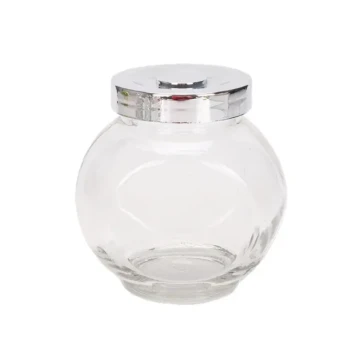
- Classic Round Glass Honey Jar with Lid
- Classic Glass Honey Jar with Metal Lug Cap for Beehive Storage
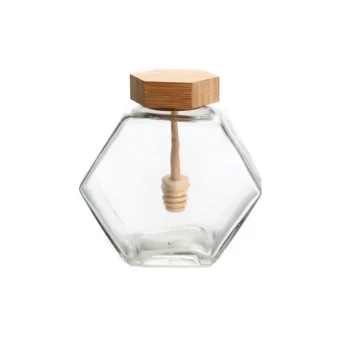
- Hexagonal Glass Honey Jars with Metal Lug Caps Elegant Versatile Packaging
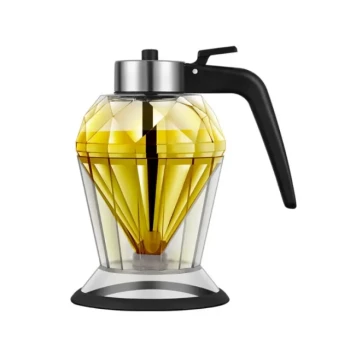
- Hexagonal Squeeze Honey Bottle with No Drip Lid
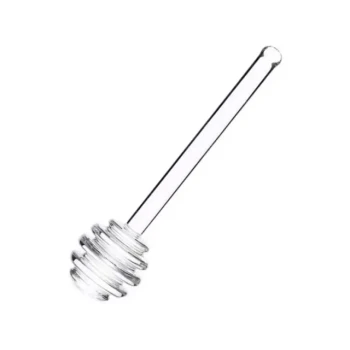
- Premium Heat-Resistant Glass Honey Dipper
People Also Ask
- What is the aesthetic appeal of using glass jars for honey? Elevate Your Brand with Premium Packaging
- What are the advantages of glass containers for honey? Elevate Quality and Market Value with Premium Packaging
- How does the appearance of glass jar packaging affect the sales and perception of honey? Boost Your Premium Brand Value
- Why is a glass jar preferred for packaging honey? Ultimate Protection for Purity & Flavor
- What are the advantages of using high-quality glass containers in the commercial packaging of honey? Boost Premium Value