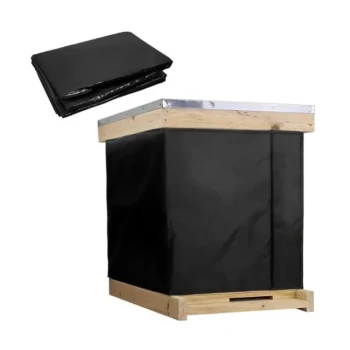
Maximizing overwintering survival rates requires a strategic combination of thermal regulation and nutritional stability. High-performance insulation materials and supplemental feeding products are essential because they mitigate the two primary threats to winter colonies: extreme caloric expenditure due to cold and the total depletion of internal food reserves.
These products function as a critical insurance policy for beekeepers, significantly reducing winter mortality by stabilizing internal hive temperatures and providing emergency energy. For distributors, offering a comprehensive suite of these consumables ensures your clients can protect their biological assets and guarantee a rapid population rebound in the spring.
The Science of Thermal Regulation and Energy Conservation
Reducing Caloric Demand Through Insulation
During the winter, honeybees do not hibernate; they form a cluster to generate heat, maintaining a core temperature of 90-95°F (32-35°C). High-performance insulation materials—such as double-layered cotton, canvas, or specialized hive wraps—act as a thermal barrier that retains this metabolic heat. By reducing the rate of heat loss through the hive walls, bees consume significantly less stored honey to stay warm, extending the life of their existing reserves.
Minimizing the Impact of Temperature Fluctuations
Extreme cold snaps or abrupt temperature swings can cause the bee cluster to contract too tightly, preventing them from reaching nearby food stores. Thermal insulation layers stabilize the internal microclimate, shielding the colony from external volatility. This stability protects the queen’s vitality and supports early brood rearing by ensuring the nest remains at a constant, habitable temperature regardless of outside conditions.
Mitigating Fatal Moisture Accumulation
One of the most dangerous threats in a winter hive is not just cold, but dampness. When warm air from the cluster hits a cold, uninsulated hive cover, it creates condensation that can drip onto the bees, leading to rapid chilling and death. Expertly designed insulation systems prevent this "cold rain" effect, maintaining a dry environment that is essential for colony health and mold prevention.
Bridging the Nutritional Gap with Supplemental Feeding
Preventing Starvation During Foraging Dormancy
When natural nectar sources disappear or foragers are pinned down by predators like wasps, the colony relies entirely on internal stores. Overwintering supplemental feeding products, such as high-concentration sugar solutions or fondant, serve as an emergency energy reserve. These products compensate for poor-quality natural forage or insufficient autumn stores, ensuring the colony does not starve before the first spring blooms.
Maintaining Colony Vitality for Spring Rebound
The goal of overwintering is not just survival, but maintaining a robust labor force for the early spring honey flow. Scientific nutritional supplementation ensures the bees remain well-nourished, which reduces queen loss rates and maintains the health of the "winter bees." This leads to a faster population explosion in the spring, allowing beekeepers to reach peak productivity levels much earlier in the season.
Understanding the Trade-offs and Pitfalls
The Risks of Poor Ventilation
While insulation is critical, over-insulating a hive without considering airflow can lead to CO2 buildup and excessive humidity. Distributors must provide products that balance thermal retention with adequate gas exchange to avoid suffocating the colony.
Quality of Supplemental Feed
Not all supplemental feeds are equal; low-quality sugars or feeds with high ash content can cause dysentery in bees during long periods of confinement. It is vital to source high-purity, specialized feeds that are specifically formulated for the honeybee’s unique digestive system during the winter months.
Strategic Sourcing for Your Inventory
Selecting the right mix of overwintering products is essential for maintaining a competitive edge and meeting the diverse needs of professional beekeeping operations.
- If your primary focus is reducing customer colony loss: Prioritize high-R-value insulation wraps and moisture-wicking hive covers that address the root causes of winter mortality.
- If your primary focus is maximizing spring productivity: Stock high-concentration supplemental feeds and automated feeding systems that ensure colonies emerge from winter with high vitality and large populations.
- If your primary focus is operational efficiency: Partner with a one-stop sourcing provider that offers a full-spectrum portfolio and ultra-fast delivery to ensure you can respond rapidly to seasonal market demands.
By integrating these professional-grade materials into your product lineup, you empower your clients to overcome environmental risks and secure a more profitable harvest season.
Summary Table:
| Feature | Primary Function | Impact on Colony Management |
|---|---|---|
| High-R Insulation | Retains metabolic heat | Reduces honey consumption; protects queen vitality. |
| Thermal Wraps | Stabilizes microclimate | Prevents cluster contraction during extreme cold snaps. |
| Supplemental Feed | Emergency energy reserve | Prevents starvation during nectar dormancy and bad weather. |
| Moisture Control | Prevents condensation | Eliminates "cold rain" effect to maintain a dry, healthy hive. |
| Nutritional Support | Boosts winter bee health | Ensures a rapid population explosion for spring honey flow. |
Scale Your Distribution with HONESTBEE’s One-Stop Wintering Solutions
Are you looking to provide your clients with the industry's most reliable overwintering protection? HONESTBEE is your strategic partner, offering a comprehensive wholesale portfolio of high-performance insulation, specialized feeding machinery, and essential consumables.
As a dedicated partner to commercial apiaries and B2B resellers, we provide:
- Deep Industry Expertise: Products engineered for maximum thermal efficiency and nutritional stability.
- Premium Sourcing & OEM/ODM Support: Tailored solutions that boost your profit margins and brand reliability.
- Rapid Fulfillment: Ultra-fast delivery and efficient order processing to meet seasonal market demands.
From specialized honey-filling machines to professional-grade hive wraps, we supply the tools your customers need for a successful spring rebound.
Contact HONESTBEE Today to Discuss Bulk Pricing & Sourcing
References
- Eric Shen. Modeling the Impact of Disease Transmission and Treatment Timing on Honey Bee Population and Honey Production. DOI: 10.70121/001c.127391
This article is also based on technical information from HonestBee Knowledge Base .
Related Products
- Professional Insulated Winter Hive Wrap for Beekeeping
- Professional Insulated Plastic Bee Hives
- Inner Beehive Cover for Beekeeping Bee Hive Inner Cover
- HONESTBEE Professional Entrance Bee Feeder Hive Nutrition Solution
- 3.5L Plastic Beehive Frame Feeder Deep Frame Water Feeder for In Hive Use
People Also Ask
- What are the steps to properly wrap a beehive for winter? Ensure Your Colony Survives the Cold
- When is the best time to wrap a beehive for winter? A Guide to Perfect Winterization Timing
- How do professional insulation wraps provide protection for bee colonies? Optimize Winter Survival & Energy Efficiency
- What are the technical benefits of using winter wraps for beehive insulation? Boost Colony Survival & Hive Health
- What are the benefits of using insulated covers for hives? Ensure Colony Survival and Health