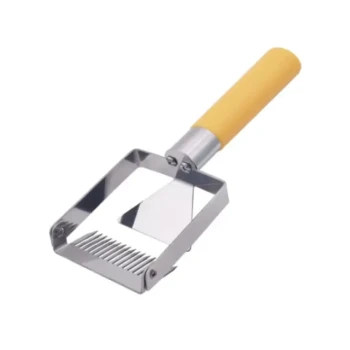
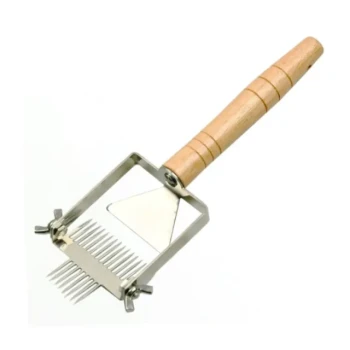
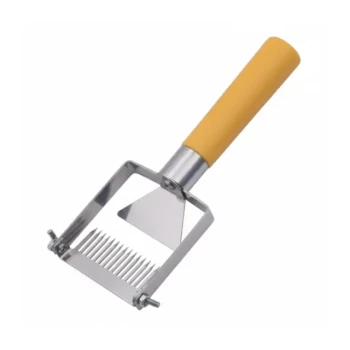
High-precision stainless steel tweezers are the industry standard for Varroa detection because they allow for the minimally invasive extraction of capped larvae and pupae. Standard tools lack the finesse required to navigate the narrow confines of honeycomb cells without crushing the developing bee. By cleanly removing the host, technicians can expose the cell bottom and side walls where Varroa mites—and their developing offspring—often hide.
Accurate Varroa monitoring is not just about counting mites; it is about preserving the physical integrity of the sample. Precision tools ensure that both the host and the parasite remain intact, allowing for a complete assessment of reproductive stages and preventing sample contamination for downstream research.
The Mechanics of Accurate Detection
Minimally Invasive Extraction
To accurately assess infestation, you must look inside capped brood cells without destroying the contents. High-precision stainless steel tweezers provide the rigidity and fine tip profile needed to surgically remove wax caps. This allows for the extraction of the larvae or pupae without causing mechanical damage that would obscure observations.
Revealing Hidden Distributions
Varroa mites do not always attach visibly to the top of the larvae; they frequently inhabit the bottom and side walls of the cell. By successfully removing the pupae intact, you gain a clear line of sight into the empty cell. This is critical for evaluating trapping efficiency and understanding the mite's spatial preference within the hive structure.
Assessing Reproductive Status
Detection is not limited to identifying adult female mites. Precision extraction allows technicians to observe the full spectrum of the infestation, including nymphs and reproductive offspring. This level of detail is required to calculate accurate parasitism rates and monitor the reproductive preferences of the mites in both drone and worker cells.
Preserving Sample Integrity for Research
Ensuring High-Quality Nucleic Acid Samples
For advanced research, the physical condition of the mite is paramount. Professional-grade pointed tweezers allow for the handling of individual mites without rupturing their body walls. Preventing the loss of hemolymph (insect blood) is essential for extracting high-quality, representative nucleic acid samples.
Avoiding Cross-Contamination
When a mite is crushed during extraction, its internal fluids can contaminate the surrounding sample or the tool itself. Stainless steel offers a non-porous, easily sterilizable surface. This ensures that the biological data collected remains pure and representative of the specific cell being analyzed.
Understanding the Trade-offs
Rigidity vs. Safety
While stainless steel is essential for the force required to uncap cells and grip heavy pupae, it presents a risk to the mite itself. The same rigidity that makes these tweezers effective for extraction can cause mechanical damage to the mite's fragile body if handled aggressively.
The Case for Soft Tweezers
It is important to note a distinction in tool application based on your end goal. While stainless steel is superior for accessing the mite, supplementary data suggests soft tweezers are preferable when the goal is maintaining the mite's physiological activity for efficacy bioassays. Stainless steel is for extraction; soft tips are for handling live specimens to prevent unnatural mortality.
Making the Right Choice for Your Goal
The type of tweezer you select should be dictated by the specific data you intend to collect.
- If your primary focus is visual inspection and counting: Use high-precision stainless steel tweezers to remove pupae intact and inspect cell walls for hidden mites.
- If your primary focus is genetic analysis: Use professional-grade pointed tweezers to ensure the mite's body wall remains unruptured, preserving hemolymph for DNA/RNA extraction.
- If your primary focus is live bioassays: Consider switching to soft tweezers after the cell is opened to prevent physical injury that could skew mortality results.
Precision in extraction is the only way to ensure the scientific rigor of your infestation rate calculations.
Summary Table:
| Feature | Stainless Steel Precision Tweezers | Standard Tools / Soft Tweezers |
|---|---|---|
| Primary Function | Minimally invasive extraction & cell uncapping | Live handling & general use |
| Material Benefit | Rigid, non-porous, and easily sterilizable | Flexible; reduces mechanical pressure |
| Detection Accuracy | High; allows intact removal of pupae | Low; risk of crushing samples/mites |
| Research Suitability | Best for DNA/RNA & hemolymph preservation | Best for live specimen bioassays |
| Durability | High; resists corrosion and bending | Variable; prone to wear during uncapping |
Elevate Your Bee Health Monitoring with HONESTBEE
Precise Varroa detection is the cornerstone of a successful commercial apiary or distribution business. At HONESTBEE, we understand that high-quality data starts with professional-grade tools. We provide a comprehensive wholesale range of beekeeping equipment—from high-precision tweezers and diagnostic tools to hive-making machinery and honey-themed merchandise.
Partner with HONESTBEE to gain access to:
- Durable, Professional Hardware: Industry-standard tools designed for rigorous field and laboratory use.
- Scalable Wholesale Solutions: Comprehensive supply chains for commercial apiaries and beekeeping distributors.
- Unmatched Industry Expertise: A full spectrum of products covering everything from consumables to specialized machinery.
Ensure the scientific rigor of your operations today. Contact us now to discuss your wholesale requirements and see how our premium equipment can enhance your productivity.
References
- Mustafa Güneşdoğdu, Brian Tainika. Effect of Using Drone Brood Cells as Traps Against Varroa destructor (Varroa Mite). DOI: 10.24925/turjaf.v9i6.1226-1231.4374
This article is also based on technical information from HonestBee Knowledge Base .
Related Products
- Precision Stainless Steel Frame Cleaner for Hive Grooves and Corners
- Heavy Duty 304 Stainless Steel Honey Dipper
- Professional Stainless Steel J-Hook Hive Tool
- HONESTBEE Advanced Ergonomic Stainless Steel Hive Tool for Beekeeping
- Modern Stainless Steel Honey Dipper Stirrer
People Also Ask
- What tools are recommended for cleaning hive frames? Top 4 Essential Maintenance Tools for Beekeepers
- What are the primary functions of a stainless steel hive tool? Essential Equipment for Professional Beekeeping
- What is the function of a professional stainless steel hive tool in IFB? Optimize Your Colony Strength Assessment
- What are the primary functions of a stainless steel hive tool? Essential Tips for Efficient Apiary Maintenance
- Which technical challenges in hive maintenance are addressed by using a professional stainless steel hive tool?