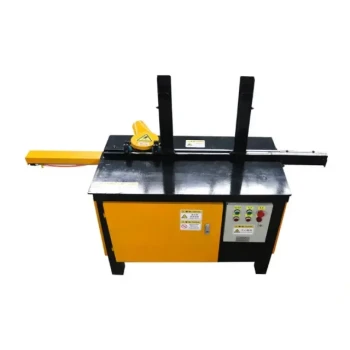
High-pressure power-washers serve as a critical mechanical decontamination tool in honey bee research, utilized specifically to strip old hive frames of physical debris. By blasting away excrement, pollen deposits, and potential viral vectors, this method helps establish a sterile, virus-free baseline essential for conducting valid disease prevention and control experiments.
The primary goal of using high-pressure washing is to create a "blank slate" environment. Without physically removing pre-existing viral loads, researchers cannot accurately verify the infection efficiency of pathogens introduced during an experiment.
The Physical Cleaning Process
Removing Persistent Contaminants
Old hive frames often accumulate organic matter that is difficult to remove by hand or chemical soaking alone. High-pressure washers utilize a powerful mechanical water stream to physically dislodge and wash away these deposits.
Eliminating Viral Reservoirs
Viruses and pathogens often reside within excrement and pollen deposits left on the frames. By mechanically stripping these materials, the power-washer effectively reduces the presence of potential viral vectors that could linger in the equipment.
Ensuring Experimental Integrity
Creating a Virus-Free Baseline
For scientific data to be valid, the starting environment must be controlled. This physical cleaning step helps create a virus-free baseline environment, ensuring that the "healthy" colonies used in the experiment start from a known neutral state.
Verifying Pathogen Transmission
Experiments often involve intentionally introducing specific pathogens via pollen or honey to test infection rates. If the frames are not thoroughly cleaned first, it is impossible to distinguish between a new infection caused by the experiment and a legacy infection from the old equipment.
Understanding the Limitations
Washing is Part of a System
It is important to note that high-pressure washing is rarely a standalone solution for total sterilization. The primary reference indicates that this mechanical cleaning is most effective when combined with subsequent treatments to ensure complete disease control.
Mechanical vs. Biological Control
While the water stream removes the physical medium where viruses hide (pollen and excrement), it is primarily a physical removal method. It prepares the surface for further sterilization rather than acting as the sole biological neutralization agent.
Applying This Methodology
To ensure the validity of your disease control protocols, consider the following approach:
- If your primary focus is Experimental Accuracy: Ensure frames are power-washed to remove all historical variables before introducing new variables.
- If your primary focus is Equipment Maintenance: Use power-washing as a preparatory step to physically clean frames before applying chemical disinfectants.
A rigorous physical cleaning is the non-negotiable first step in establishing a controlled, verifiable scientific environment.
Summary Table:
| Feature | Purpose in Disease Control |
|---|---|
| Mechanism | High-pressure mechanical water stream |
| Primary Goal | Physical removal of excrement, pollen, and debris |
| Outcome | Creation of a virus-free baseline for experiments |
| Key Benefit | Eliminates legacy infections to ensure data validity |
| Limitations | Best used as a preparatory step before sterilization |
Elevate Your Apiary Management with HONESTBEE
Maintaining a sterile and efficient environment is vital for both scientific research and commercial honey production. At HONESTBEE, we empower commercial apiaries and distributors with the professional-grade tools needed to combat disease and optimize operations. From high-performance hive-making and honey-filling machinery to a comprehensive range of beekeeping hardware and essential consumables, our portfolio is designed to meet the rigorous demands of the modern honey industry.
Ready to upgrade your equipment or stock your distribution line? Contact us today to discuss your wholesale needs and discover how our expertise in beekeeping technology and honey-themed merchandise can drive your business forward.
References
- Rajwinder Singh, Diana Cox-Foster. RNA Viruses in Hymenopteran Pollinators: Evidence of Inter-Taxa Virus Transmission via Pollen and Potential Impact on Non-Apis Hymenopteran Species. DOI: 10.1371/journal.pone.0014357
This article is also based on technical information from HonestBee Knowledge Base .
Related Products
- Precision Stainless Steel Frame Cleaner for Hive Grooves and Corners
- Heavy Duty Stainless Steel Frame Cleaner with Plastic Handle
- Professional Stainless Steel Frame Cleaner with Ergonomic Wood Handle
- Frame Punching Hole Puncher Machine for Bee Frame Producing Line
- Professional Bee Frame Machine for Side Bar Shaping
People Also Ask
- What tools are recommended for cleaning hive frames? Top 4 Essential Maintenance Tools for Beekeepers
- What are the primary functions of a stainless steel hive tool? Essential Equipment for Professional Beekeeping
- What is the function of a professional stainless steel hive tool in IFB? Optimize Your Colony Strength Assessment
- Which technical challenges in hive maintenance are addressed by using a professional stainless steel hive tool?
- What are the primary functions of a stainless steel hive tool? Essential Tips for Efficient Apiary Maintenance