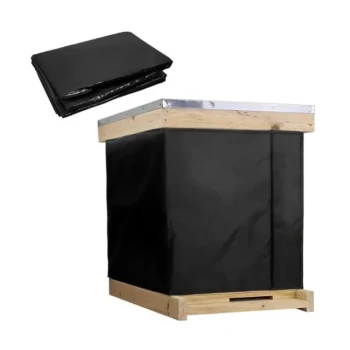
Insulation wraps serve as a primary thermal defense for honey bee colonies, acting as a physical barrier that drastically slows heat loss from the hive's interior. By buffering the colony against the extreme temperature fluctuations common in northern temperate regions, these wraps stabilize the internal environment. This stabilization allows the colony to conserve vital metabolic energy, directly increasing the likelihood of survival in harsh winter conditions.
The core function of an insulation wrap is energy conservation; by mitigating rapid heat loss, the wrap reduces the caloric burn required for the bees to maintain a survivable core temperature.
The Physics of Hive Insulation
Creating a Thermal Barrier
Insulation wraps function as a physical shield between the colony and the outdoor elements.
This barrier significantly slows the rate at which heat escapes from the hive interior. By retaining the heat generated by the bees, the wrap prevents the rapid cooling that can occur during severe cold snaps.
Buffering Diurnal Fluctuations
In many northern regions, the difference between day and night temperatures—known as diurnal fluctuations—can be extreme.
Insulation wraps smooth out these spikes and dips, maintaining a relatively stable internal temperature. This stability prevents the colony from having to rapidly adjust their metabolic output to match erratic outdoor weather changes.
Blocking Convective Heat Loss
Winter winds can strip heat away from a hive through convection, forcing the colony to work harder to stay warm.
Much like industrial plastic covers used internally to block air currents, external wraps disrupt airflow around and through the hive. This reduction in air convection is essential for maintaining the constant temperature required for the cluster's survival.
Energy Management and Colony Physiology
Reducing Metabolic Expenditure
Honey bees produce heat by consuming stored honey and vibrating their wing muscles.
When a hive is properly insulated, the bees do not need to expend as much energy to maintain the necessary temperature. This reduction in energy expenditure is critical because a colony has a finite supply of food stores to last the winter.
Preserving Colony Strength
A colony that burns through its energy reserves too quickly may starve or perish from cold stress.
By lowering the energy cost of heating the hive, insulation helps ensure the colony emerges in the spring with greater numbers and tremendous strength. This is particularly vital in arid and temperate climates where winter survival rates can be precarious.
Understanding the Operational Trade-offs
Retention vs. Generation
It is important to understand that insulation wraps do not generate heat; they only retain it.
The colony must still be healthy and populous enough to generate the initial warmth required for the winter cluster. If a colony is too small or weak to produce heat, insulation alone cannot save it.
The Necessity of Winterizing
While insulation is a powerful tool, it is part of a broader "winterizing" process.
Relying solely on wraps without considering other factors—such as windbreaks or internal moisture management (often aided by inner covers)—may limit effectiveness. The wrap is a critical component, but it functions best as part of a complete management system.
Making the Right Choice for Your Goal
When deciding how to prioritize insulation in your winter management plan, consider your specific objectives:
- If your primary focus is survival in northern climates: Prioritize heavy insulation wraps to buffer against extreme diurnal temperature swings and reduce the metabolic load on the cluster.
- If your primary focus is rapid spring buildup: Use insulation to preserve maximum colony numbers, ensuring the hive retains enough worker bees to support early brood rearing.
Ultimately, the insulation wrap is an investment in energy efficiency, allowing your bees to spend their limited resources on survival rather than fighting the cold.
Summary Table:
| Feature | Benefit for Honey Bee Colonies |
|---|---|
| Thermal Barrier | Drastically slows heat loss from the hive interior. |
| Diurnal Buffering | Smooths out extreme day/night temperature fluctuations. |
| Convection Blocking | Prevents winter winds from stripping heat via airflow. |
| Metabolic Reduction | Lowers the honey consumption needed for thermoregulation. |
| Colony Strength | Ensures higher worker bee populations for spring buildup. |
Secure Your Apiary's Winter Success with HONESTBEE
Protecting your investment during the harsh winter months requires more than just basic supplies—it requires professional-grade equipment designed for performance. HONESTBEE specializes in supporting commercial apiaries and distributors with a comprehensive range of wholesale solutions.
From high-efficiency insulation wraps and specialized beekeeping tools to advanced hive-making and honey-filling machinery, we provide everything needed to scale your operations and ensure colony health. Whether you are stocking essential consumables or upgrading your industrial hardware, our expertise adds value to every stage of your beekeeping business.
Ready to optimize your winter management and spring productivity?
Contact HONESTBEE Today for Wholesale Solutions
References
- Suresh D. Desai, R. William Currie. Effects of Wintering Environment and Parasite–Pathogen Interactions on Honey Bee Colony Loss in North Temperate Regions. DOI: 10.1371/journal.pone.0159615
This article is also based on technical information from HonestBee Knowledge Base .
Related Products
- Professional Insulated Winter Hive Wrap for Beekeeping
- Inner Beehive Cover for Beekeeping Bee Hive Inner Cover
- Professional Insulated Plastic Bee Hives
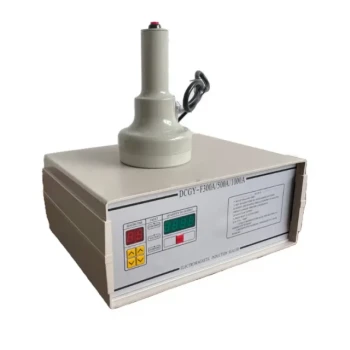
- Handheld Induction Sealing Machine for Tamper Evident Packaging
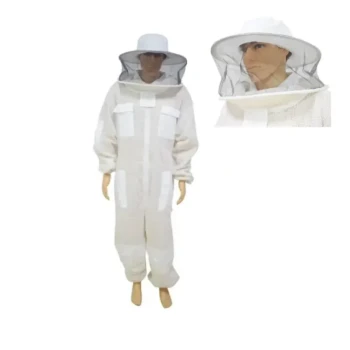
- Premium Three Layer Ventilated Bee Suit with Round Veil
People Also Ask
- What are the steps to properly wrap a beehive for winter? Ensure Your Colony Survives the Cold
- When is the best time to wrap a beehive for winter? A Guide to Perfect Winterization Timing
- How do professional insulation wraps provide protection for bee colonies? Optimize Winter Survival & Energy Efficiency
- What are the technical benefits of using winter wraps for beehive insulation? Boost Colony Survival & Hive Health
- What are the benefits of using insulated covers for hives? Ensure Colony Survival and Health