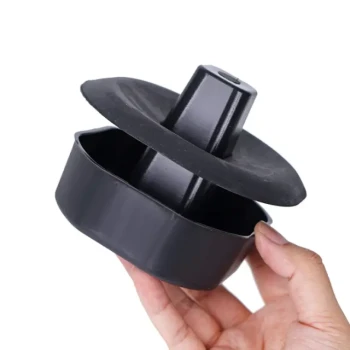
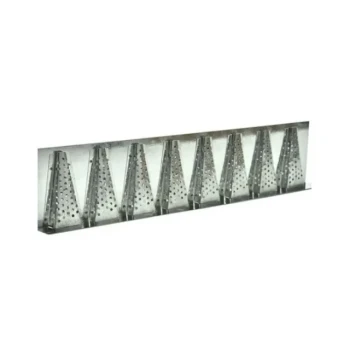
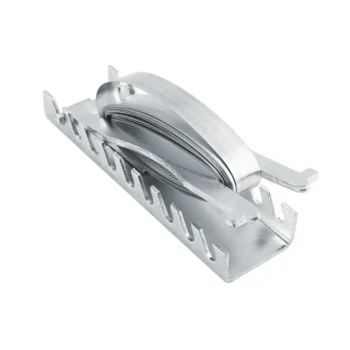
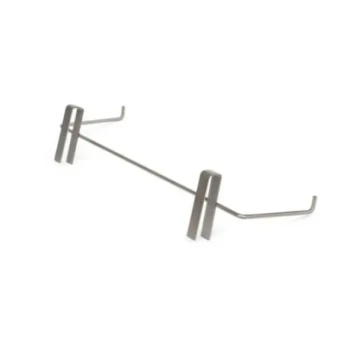
In tropical beekeeping environments, metal sheets or plastic coverings installed on hive stands serve as critical physical exclusion devices designed primarily to prevent ant infestation. These materials function as slippery, impassable barriers that interrupt the path of foraging ants, stopping them from climbing the stand legs to reach the hive.
The installation of these barriers is a fundamental defense strategy against colony collapse. By neutralizing the threat of ant predation, beekeepers significantly reduce the stress on the colony, thereby preventing bees from abandoning the hive (absconding) and securing the honey harvest.
The Critical Role of Ant Exclusion
Preserving Colony Stability
In tropical climates, ants are aggressive and persistent predators. When ants breach a hive, they consume honey, brood, and bee stores.
The primary reference indicates that this predation causes severe stress to the honeybees. If the harassment becomes unmanageable, the entire colony is likely to abscond, abandoning the hive entirely to seek a safer location.
Protecting Production Yields
Beyond the loss of the bees themselves, these barriers directly protect the beekeeper’s investment.
Ants are attracted to the sugar concentration in honey. Without metal or plastic guards on the stand, ants can deplete a significant portion of the honey production, rendering the hive economically unviable.
Mechanism of Action
Creating a Physical Disconnect
The effectiveness of these coverings lies in their surface texture and placement.
Ants rely on friction and scent trails to navigate vertical surfaces. Smooth metal sheets or slick plastic coverings installed on the stand legs break this continuity, making it physically difficult for ants to gain traction and ascend.
Enhancing Elevated Defense
While the stand itself isolates the hive from the ground, the stand legs remain a vector for terrestrial threats.
As noted in the supplementary data, elevated stands generally reduce risks from larger predators like lizards and foxes. The addition of smooth coverings specifically refines this defense to target smaller, climbing insects that simple elevation cannot stop.
Secondary Benefits and Limitations
Environmental Shielding
While the primary function on the stand is pest control, the supplementary references suggest that industrial-grade coverings used around the hive environment can offer broader protection.
These materials can shield the hive structure from extreme tropical weather, such as heavy rainfall, which could otherwise damage the hive or alter its internal humidity.
Pathogen Blocking
There is a hygiene component to these barriers as well.
By physically blocking the entry of external pests, these coverings interrupt potential routes for pathogen transmission. This provides a basic layer of disease prevention, which is particularly vital in regions where advanced veterinary interventions for bees may be inaccessible.
Understanding the Trade-offs
Passive vs. Active Defense
It is important to recognize that these coverings are passive barriers, not active eradication methods.
They prevent entry but do not eliminate the predator population surrounding the apiary. If the coverings become bridged by growing grass or debris, their effectiveness is immediately nullified.
Scope of Protection
While effective against crawling threats, these barriers offer no defense against airborne predators or internal parasites.
They must be viewed as one component of a larger integrated pest management system, rather than a standalone solution for all hive threats.
Making the Right Choice for Your Goal
To maximize the effectiveness of your apiary infrastructure, consider the following applications:
- If your primary focus is preventing colony loss: Prioritize the installation of smooth metal or plastic guards on all stand legs to eliminate the stress that causes absconding.
- If your primary focus is disease control: Ensure the barriers are fitted tightly to block crawling vectors that may introduce pathogens into the sterile hive environment.
- If your primary focus is infrastructure longevity: Utilize industrial-grade plastic or galvanized metal that can withstand tropical humidity without degrading or rusting.
Effective tropical beekeeping relies not just on managing the bees, but on rigorously managing the perimeter that protects them.
Summary Table:
| Feature | Function | Primary Benefit |
|---|---|---|
| Surface Texture | Smooth/Slippery | Creates an impassable physical barrier for ants |
| Placement | Hive Stand Legs | Interrupts climbing paths of terrestrial predators |
| Material Type | Metal or Plastic | Durable against high humidity and tropical weather |
| Defense Strategy | Passive Exclusion | Prevents colony stress and avoids hive absconding |
Secure Your Apiary Productivity with HONESTBEE
Protecting your colony from tropical predators requires high-quality, durable equipment. HONESTBEE specializes in serving commercial apiaries and distributors with a comprehensive range of professional beekeeping solutions. From robust hive-making machinery and honey-filling systems to industrial-grade tools and essential consumables, we provide the hardware you need to scale your operations.
Whether you are upgrading your perimeter defenses or expanding your wholesale inventory, our team is ready to support your growth. Contact us today to discover how our premium beekeeping equipment can enhance your yield and efficiency.
References
- Nana Owusu-Ansah, Nikhil Agarwal. Apiculture and Conservation Opportunities: The Case of Sayinga-Kasena-Gavara-Kara. DOI: 10.5281/zenodo.3951599
This article is also based on technical information from HonestBee Knowledge Base .
Related Products
- Professional Ant-Proof Beehive Stand with Integrated Moat for Beekeeping
- Metal Hive Feet Bee Hive Stand for Ant Protection
- Metal Bee Hive Stand Bee Box Stand for Beekeeping
- Plastic Bee Hive Stand for Beekeeping
- 8-Cone Galvanized Steel Bee Robber Guard
People Also Ask
- What physical protection advantages do individual hive stands provide against Small Hive Beetles? Secure Your Apiary
- Why are specialized ant-proof stands necessary for Africanized honeybee apiaries? Prevent Absconding in Semi-Arid Regions
- Why are specialized beehive stands or protective barriers necessary for pest management in apiaries? Secure Your Colony
- What are the benefits of elevating a bee hive with a stand or base? Protect Your Colony and Your Back
- What to stand a beehive on? The Best Foundation for a Healthy, Manageable Apiary