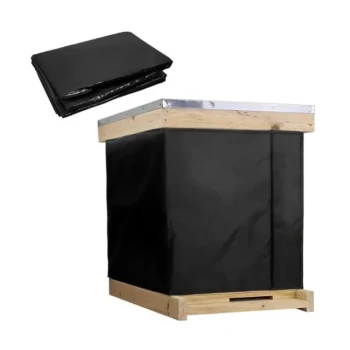
Stingless bees lack the physiological mechanisms to withstand extreme cold, making artificial thermal regulation essential for their survival in cooler climates. Polystyrene insulation and heating elements are used to create a stable thermal barrier, preventing colony collapse by artificially replicating the warm, tropical conditions these bees naturally inhabit.
The use of insulation and heaters is a survival intervention for stingless bees in non-native or unusually cold environments. These tools bridge the gap between the harsh external climate and the colony's critical need for a stable, warm microclimate.
The Biological Necessity for Thermal Control
High Sensitivity to Temperature
Stingless bees are biologically adapted to tropical and subtropical environments. They are highly sensitive to low temperatures and lack the robust clustering behavior used by some honeybees to generate winter heat.
preventing Colony Collapse
Direct exposure to extreme cold can be lethal. Without a supplemental heat source or heavy insulation, the internal hive temperature drops below critical thresholds. This leads to metabolic shutdown and, ultimately, total colony collapse.
How Insulation and Heaters Function
Simulating Natural Habitats
In the wild, these bees often nest in tree hollows that provide thick, natural insulation. In cooler climates, thin-walled artificial hives cannot offer this protection. Polystyrene and heaters simulate this natural warmth, ensuring the colony survives the winter.
Providing Necessary Thermal Control
External insulation acts as a buffer. It slows the rate of heat loss from the hive, stabilizing the internal microclimate against rapid external temperature fluctuations.
Understanding the Trade-offs
The Practicality of Polystyrene
Polystyrene is frequently chosen for winter protection because it is a highly effective insulator. It is also lightweight, affordable, and easy for beekeepers to handle when retrofitting hives for winter.
Limitations Compared to Natural Materials
While effective for trapping heat, polystyrene has downsides. It can degrade over time and is less sustainable than organic options. Furthermore, it lacks the breathability of wood.
The Superiority of Wood and Bamboo
For general hive construction, wood and bamboo are preferred. They offer superior thermal buffering and breathability, which protects larvae from heat mortality and prevents honey spoilage. However, in freezing conditions, the natural insulation of wood alone may not be enough without the added "boost" of polystyrene or heaters.
Making the Right Choice for Your Goal
To ensure the health of your stingless bee colony, choose your materials based on your specific climate risks:
- If your primary focus is preventing winter mortality in cold climates: Utilize polystyrene outer insulation or small heaters to prevent lethal temperature drops that natural wood cannot stop.
- If your primary focus is long-term sustainability and summer health: Prioritize wood or bamboo hives for their superior breathability and ability to mimic natural tree-hollow habitats.
Success lies in balancing natural habitat emulation with the artificial support required to withstand non-native cold snaps.
Summary Table:
| Method | Primary Function | Pros | Cons |
|---|---|---|---|
| Polystyrene | Thermal Barrier | Highly effective insulation, lightweight, low cost | Low breathability, non-sustainable |
| Heating Elements | Heat Generation | Actively prevents metabolic shutdown in freezes | Requires power source, needs monitoring |
| Natural Wood | Habitat Emulation | Superior breathability, mimics tree hollows | Insufficient for extreme sub-zero protection |
| Bamboo | Natural Buffering | Protects larvae from heat, prevents spoilage | Limited insulation during harsh winters |
Secure Your Apiary’s Success with HONESTBEE
Protecting sensitive colonies requires the right balance of technology and tradition. At HONESTBEE, we specialize in supporting commercial apiaries and distributors with a comprehensive range of high-quality beekeeping tools and machinery.
Whether you need specialized hive-making machines to craft perfectly insulated wooden structures or honey-filling equipment for your harvest, we provide the wholesale solutions your business demands. Our portfolio spans from essential industry consumables to unique honey-themed cultural merchandise designed to grow your brand.
Ensure your bees thrive in any climate. Contact us today to discuss how our professional-grade equipment and machinery can optimize your operations and protect your investment.
References
- Natasha Fijn, Marcus Baynes‐Rock. A Social Ecology of Stingless Bees. DOI: 10.1007/s10745-018-9983-0
This article is also based on technical information from HonestBee Knowledge Base .
Related Products
- Stainless Steel Bee Hive Smoker Beekeeping Smoker for Wholesale
- Stainless Steel Round Beehive Air Vents for Ventilation
- Stainless Steel Honey Bee Smoker Hive and Honeycomb Smoker for Beekeeping
- European Stainless Steel Bee Smoker for Honey Bee Hive
- Stainless Steel Electric Beehive Smoker for Beekeeping and Bee Keeper Use
People Also Ask
- What preparation is required before opening a bee hive? Essential Checklist for Safe Hive Inspection
- What are bee smokers made out of? Choose the Right Material for Your Apiary
- What is the operational mechanism of a beehive smoker? Master Bee Calm and Safety During Harvesting
- What is the proper technique for smoking a hive? Master Calm, Effective Hive Inspections
- What is the proper method for using a beehive smoker? Master the Art of Calming Your Colony Safely