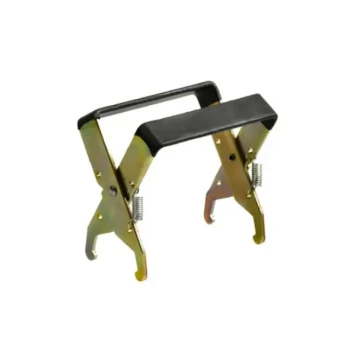
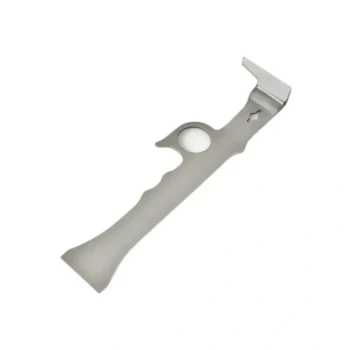
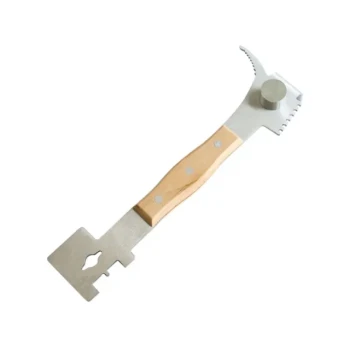
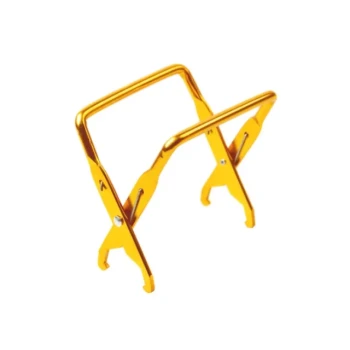
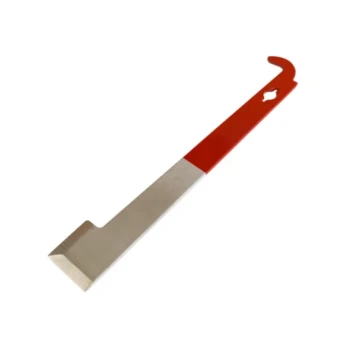
Professional beekeeping hand tool kits are the catalysts for commercial colony productivity. By enabling high-frequency inspections, these specialized instruments allow beekeepers to monitor "social inhibition"—the biological process that regulates the transition from hive workers to foragers. Proper management of this transition via manual intervention reduces forager mortality and maximizes the survival threshold and production efficiency of the entire colony.
Core Takeaway: For distributors and wholesalers, providing professional-grade tool kits is not just about selling equipment; it is about offering the precision required to manage complex colony demographics. Reliable tools facilitate the delicate interventions necessary to balance worker-to-forager ratios, directly impacting a commercial apiary's bottom line.
Monitoring Social Inhibition and Colony Balance
High-Frequency Inspections for Data-Driven Management
High-strength hive tools and specialized smokers allow beekeepers to open hives frequently without causing excessive stress or physical damage to the colony. These frequent checks are essential for monitoring the age structure of the bees and ensuring that the transition to foraging doesn't happen prematurely.
Identifying Early Signs of Colony Imbalance
Specialized kits provide the precision needed to identify early markers of social inhibition failure, where too many young bees transition to foraging due to environmental stress. By using precision instruments like inspection knives and fine tweezers, beekeepers can assess brood health and worker distribution with surgical accuracy.
Optimizing Forager Survival and Yield
When the worker-to-forager transition is managed correctly through tool-assisted intervention, forager mortality rates drop significantly. This balance ensures that the colony maintains a high-density population capable of maximizing pollination activities and honey production.
Precision Tools as a Quality Safeguard
Minimizing Environmental Contamination
Professional-grade tools are designed to meet standardized land management practices, ensuring that hive maintenance does not introduce pollutants. This is critical for B2B clients who prioritize the production of chemical-free, high-purity nectar and pollen for premium markets.
Protecting Fragile Hive Structures
The use of specialized tools, such as those designed for stingless bees or high-precision agricultural hives, prevents the destruction of delicate wax structures. Maintaining the physical integrity of the hive allows the colony to focus energy on resource collection rather than structural repairs.
Tracking Phenological Periods
Modern apiary management tools allow beekeepers to align colony growth with the blooming periods of melliferous plants. This synchronization, facilitated by efficient tool kits, improves the efficiency of utilizing plant genetic resources and boosts the economic well-being of the producer.
The Role of Safety in Operational Efficiency
Enabling Advanced Management Techniques
Professional protective equipment, including high-visibility veils and reinforced suits, provides the safety necessary for close-range colony inspections. When beekeepers feel secure, they are more likely to implement advanced techniques like artificial colony splitting and frequent disease monitoring.
Reducing Operational Risks and Downtime
Scientific tool design reduces the physical risk to the beekeeper, ensuring that routine maintenance remains consistent and uninterrupted. For large-scale operations, this reliability is essential for maintaining a steady production capacity and fulfilling large orders.
Understanding the Trade-offs
Durability vs. Initial Investment
While entry-level tools may appeal to hobbyists, they often fail under the rigors of high-frequency commercial use. Professional kits represent a higher upfront cost but offer long-term savings through durability and reduced replacement frequency.
Specialization vs. Versatility
Highly specialized tools offer unmatched precision for specific tasks, such as pest monitoring, but may require a more extensive inventory. Distributors must balance offering "all-in-one" kits with providing niche instruments for advanced commercial applications.
Manual Precision vs. Labor Costs
Manual tool kits require skilled labor to be effective, which can be a bottleneck for rapidly expanding operations. However, the level of nuanced colony management provided by manual tools currently exceeds most automated alternatives in maintaining delicate social balances.
Making the Right Choice for Your Goal
As a distributor or wholesaler, your product portfolio should reflect the sophisticated needs of modern commercial beekeeping. Providing a one-stop sourcing solution with a focus on rapid fulfillment ensures your clients can respond to colony needs in real-time.
- If your primary focus is maximizing client honey yields: Prioritize high-strength hive tools and smokers that facilitate the high-frequency inspections needed to manage forager ratios.
- If your primary focus is organic or premium purity markets: Emphasize surgical-grade, easy-to-sanitize stainless steel tools that minimize the risk of environmental contamination.
- If your primary focus is large-scale commercial safety: Stock full-spectrum protective gear alongside ergonomic tools to reduce operator fatigue and ensure consistent hive management.
Empowering beekeepers with professional-grade tools transforms complex biological management into a repeatable, high-yield commercial process.
Summary Table:
| Feature Category | Tool Examples | Role in Colony Management | Commercial Benefit |
|---|---|---|---|
| Inspection Tools | High-strength hive tools, Smokers | Facilitates high-frequency checks with minimal stress | Maximizes worker-to-forager survival ratios |
| Precision Gear | Inspection knives, Fine tweezers | Identifies social inhibition failure and brood health | Ensures high-purity nectar and premium yields |
| Safety Equipment | Reinforced suits, High-vis veils | Enables advanced techniques like colony splitting | Reduces operational downtime and labor risks |
| Hardware | Hive-making & Honey-filling machines | Maintains structural integrity and processing speed | Improves long-term ROI and durability |
Scale Your Commercial Apiary Success with HONESTBEE
Are you a distributor or B2B reseller looking to dominate the beekeeping market? HONESTBEE is your premier partner, offering a one-stop sourcing solution for high-performance beekeeping equipment. From professional hand tools and essential consumables to specialized hive-making and honey-filling machinery, we provide the full spectrum of products required for large-scale operations.
Why choose HONESTBEE?
- Comprehensive Portfolio: Full-spectrum tools, machinery, and honey-themed cultural merchandise.
- B2B Excellence: Tailored support for wholesalers with high profit margins and reliable supply chains.
- Expert Fulfillment: Rapid response times, deep industry expertise, and ultra-fast delivery.
Ready to enhance your product offering and support commercial hive productivity?
Contact Our Wholesale Experts Today
References
- Md Mostafizur Rahaman, Xiangsheng Wang. Threshold Dynamics of Honey Bee Colonies with General Eclosion and Social Inhibition. DOI: 10.3390/axioms14100773
This article is also based on technical information from HonestBee Knowledge Base .
Related Products
- Stainless Steel J Hook Hive Tool for Beekeeping
- HONESTBEE 15-in-1 Beekeeper Multi-Tool with Hammer and Pliers for Beekeeping
- Durable Rubberized Comfort Handle Frame Grip
- HONESTBEE Classic Pry Bar Hive Tool with High Visibility Finish for Beekeeping
- HONESTBEE Professional Mini J-Hook Hive Tool for Beekeeping
People Also Ask
- What specific challenges do beekeeping hive tools address during hive maintenance? Essential Solutions for Apiaries
- What is a J-hook hive tool and why is it favored by some beekeepers? Master Gentle Frame Handling
- What are the features of a J-hook hive tool? Effortlessly Lift Frames with Superior Leverage
- What is the purpose of the J-hook hive tool? Effortlessly Lift Frames with Superior Leverage
- How is a J-hook hive tool designed and what is its primary use? Master Effortless Hive Inspections