Professional beekeeping tools and machinery act as the essential lifeline for agricultural pollination in the wake of Varroa destructor infestations. Because this parasite decimates wild honeybee populations, agriculture must rely on managed colonies that require scientific precision and frequent intervention to survive and function. These tools enable beekeepers to maintain the high colony densities and health standards necessary to stabilize crop yields.
By automating labor and standardizing hive management, professional machinery allows commercial pollinators to maintain the colony health and density required to secure food systems, effectively compensating for the ecological gap left by the loss of wild pollinators.
Bridging the Gap Left by Wild Pollinators
The primary driver for the adoption of professional tools is the collapse of wild honeybee populations due to Varroa destructor.
Shifting to Managed Colonies
As wild populations decline, agricultural production becomes dependent on managed hives.
To compensate for the loss of natural pollinators, commercial operations must deploy bees in specific densities.
Professional tools facilitate the scientific precision required to keep these managed colonies viable in environments where they would otherwise perish.
Precision Health Management
Fighting Varroa requires frequent, timed interventions that are impossible to manage manually at scale.
Professional tools allow technicians to monitor colony health indicators accurately and respond immediately to survival threats.
This ensures that colonies maintain sufficient strength and foraging intensity during critical pollination windows.
The Role of Standardization and Efficiency
To support large-scale orchards and pastoral agriculture, beekeeping must transition from a craft to an industrial science.
Standardized Hives and Biosecurity
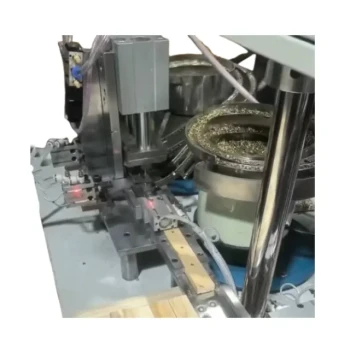
Industrial-grade machinery produces standardized, well-sealed beehive components.
These standardized structures allow for rapid disassembly and inspection, which is critical for identifying and treating Varroa infestations efficiently.
Furthermore, precise structural designs prevent the physical spread of parasites during transport, enhancing overall biosecurity.
Reducing Labor Intensity
Standardized equipment significantly lowers the physical burden on beekeepers.
By reducing the time and effort required per hive, beekeepers can manage larger numbers of colonies without sacrificing individual hive health.
This efficiency allows for high-intensity pollination services during short crop flowering periods, directly correlating to higher fruit set rates.
Logistics and Mobility in Pollination Services
Modern agriculture requires bees to be moved to different regions to coincide with specific flowering periods.
Stress-Free Transport
Professional transport vehicles are designed to maintain optimal ventilation and temperature control.
This minimizes stress on the bees during long-distance relocation, which is vital for maintaining their immune systems against Varroa.
Strategic Deployment
Mobile equipment, such as specialized hive racks and lifting machinery, enables the precise placement of hives across fields.
This ensures uniform flower visitation rates, leading to fuller fruit shapes and superior seed yields.
Understanding the Trade-offs
While professional tools are essential for combatting Varroa, they introduce specific challenges that must be managed.
Capital vs. Labor
The shift to professional machinery requires significant upfront capital investment compared to traditional methods.
While this reduces long-term labor costs, it raises the barrier to entry for smaller operations.
Dependency on Monocultures
High-mobility beekeeping supports large-scale monoculture pollination, which can sometimes limit the nutritional diversity bees need.
Beekeepers must balance the efficiency of these tools with nutritional supplementation to ensure colonies remain robust enough to withstand Varroa pressure.
Making the Right Choice for Your Goal
When integrating professional tools into your operation, focus on the specific outcomes you need to achieve.
- If your primary focus is Yield Stabilization: Prioritize standardized hive components and automated inspection tools to ensure high colony density and foraging intensity during bloom.
- If your primary focus is Colony Health and Longevity: Invest in specialized transport vehicles and climate-controlled logistics to minimize stress and prevent Varroa spread during relocation.
Professional tools transform beekeeping from a passive agricultural activity into a proactive, scientifically managed service essential for food security.
Summary Table:
| Key Benefit | How Professional Tools Support It | Impact on Varroa Management |
|---|---|---|
| Colony Health | Precision monitoring & timed treatment tools | Enables rapid response to infestation levels |
| Operational Scale | Automated machinery & standardized hives | Allows management of high colony densities |
| Logistics | Specialized transport & climate control | Minimizes bee stress to maintain immune systems |
| Biosecurity | Precision-made, well-sealed hive components | Prevents physical parasite spread during transport |
| Yield Stability | Specialized hive racks & lifting equipment | Ensures uniform foraging and superior fruit set |
Secure Your Pollination Services with HONESTBEE
As Varroa destructor continues to challenge global agriculture, the need for professional-grade reliability is paramount. HONESTBEE empowers commercial apiaries and distributors with the industrial strength required to safeguard food systems.
We provide a comprehensive wholesale portfolio designed for high-intensity beekeeping:
- Advanced Machinery: From hive-making to honey-filling machines for industrial-scale efficiency.
- Precision Hardware: Standardized beekeeping tools and equipment that ensure biosecurity and ease of management.
- Essential Consumables: A full spectrum of supplies to maintain colony health and productivity year-round.
Whether you are scaling your commercial operation or supplying the industry, our expertise ensures your bees remain a robust force for pollination.
Ready to elevate your beekeeping standards?
Contact HONESTBEE today for a wholesale consultation
References
- Jay M. Iwasaki, Katharine J. M. Dickinson. The New Zealand experience of varroa invasion highlights research opportunities for Australia. DOI: 10.1007/s13280-015-0679-z
This article is also based on technical information from HonestBee Knowledge Base .
Related Products
- Stainless Steel J Hook Hive Tool for Beekeeping
- HONESTBEE 15-in-1 Beekeeper Multi-Tool with Hammer and Pliers for Beekeeping
- HONESTBEE Professional Mini J-Hook Hive Tool for Beekeeping
- Durable Galvanized Steel Frame Grip
- Multi-Function Plier-Style Frame Grip Hive Tool
People Also Ask
- What specific challenges do beekeeping hive tools address during hive maintenance? Essential Solutions for Apiaries
- What is a J-hook hive tool and why is it favored by some beekeepers? Master Gentle Frame Handling
- What are the features of a J-hook hive tool? Effortlessly Lift Frames with Superior Leverage
- What is the purpose of the J-hook hive tool? Effortlessly Lift Frames with Superior Leverage
- How is a J-hook hive tool designed and what is its primary use? Master Effortless Hive Inspections