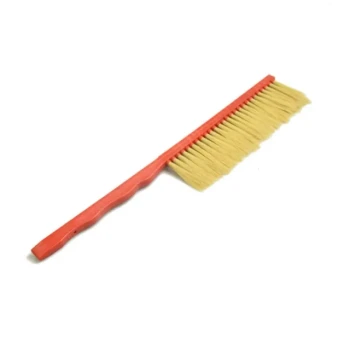
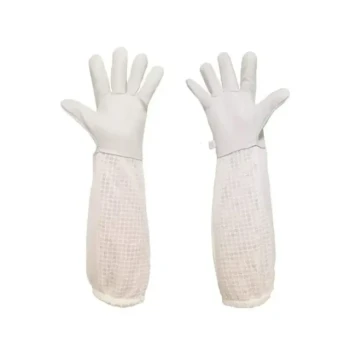
Professional protective gear and honey harvesting tools serve as the fundamental infrastructure for any viable beekeeping operation. They provide a critical physical shield that ensures operator safety while simultaneously reducing stress on the bee colony. Beyond safety, these specialized tools are essential for maximizing production efficiency, minimizing honey loss, and adhering to strict occupational health and safety standards.
Core Insight: Professional equipment is not merely about avoiding stings; it transforms beekeeping from a high-risk manual task into a controlled industrial process. It allows for precise management and scalable production by stabilizing the environment for both the human operator and the biological colony.
The Dual Role of Protective Gear
Ensuring Operator Safety and Focus
The primary function of professional gear—such as full body suits, veils, and gloves—is to create a robust physical barrier against stings. This is particularly vital in regions dealing with aggressive species like Africanized honey bees, where routine management would otherwise be impossible.
However, the deeper value lies in psychological stability. When operators are confident in their physical safety, they can remain calm and focused. This prevents panic-induced errors and allows for the precise, steady movements required for detailed hive inspections.
Minimizing Colony Stress
Bees react defensively to rapid movements and perceived threats. By allowing the beekeeper to move deliberately and without fear, protective gear indirectly keeps the colony calmer.
Furthermore, tools like the bee smoker are essential for biological management. Smokers generate cool smoke that interferes with the bees' alarm pheromones. This disrupts the colony's defensive communication, preventing mass aggression and ensuring the inspection causes minimal disruption to the hive's social order.
Efficiency and Quality in Harvesting
Transitioning to Professional Production
To move from scattered, traditional beekeeping to professional production, manual methods are insufficient. Professional tools, such as electric uncapping knives and stainless steel honey extractors, are the physical foundation of this transition.
These tools significantly increase labor efficiency, allowing operators to process hives faster and more uniformly. This scalability is critical for commercial viability.
Preserving Honey Purity and Yield
Using specialized extractors minimizes the loss of honey that often occurs with rudimentary collection methods. They are designed to extract maximum yield without destroying the comb or introducing impurities.
Additionally, professional equipment helps maintain the biological activity of the raw honey. By using stainless steel and hygienic extraction methods, beekeepers prevent contamination and ensure the final product meets purity standards.
Common Pitfalls to Avoid
The Risk of Premature Harvesting
Possessing the right tools is useless if the timing is wrong. A common operational pitfall is harvesting before the honeycomb cells are completely sealed with beeswax.
Honey is only considered "mature" when sealed. Harvesting prior to this stage often results in high moisture content (above the ideal 17%–21% range), which can lead to fermentation and spoilage, regardless of the quality of your extraction tools.
Over-Reliance on Gear
While protective clothing provides a "comprehensive physical barrier," it should not replace proper technique. The breathable, sting-proof materials allow for extended work periods, but the operator must still respect the colony's temperament. Relying solely on the suit while ignoring signs of extreme agitation in the hive can still lead to operational failure or excessive stress on the bees.
Making the Right Choice for Your Goal
To optimize your operation, align your equipment choices with your specific operational objectives:
- If your primary focus is Personnel Safety: Prioritize high-grade, breathable protective suits and veils that act as a complete physical shield to prevent panic and injury during inspections.
- If your primary focus is Product Quality: Invest in stainless steel extractors and ensure harvesting occurs only when cells are sealed to maintain moisture levels between 17% and 21%.
- If your primary focus is Operational Efficiency: adopt electric uncapping knives and high-capacity extractors to reduce labor time and minimize honey loss during the collection process.
Success in beekeeping requires balancing human safety with biological sensitivity, a balance achieved only through the correct application of professional equipment.
Summary Table:
| Equipment Category | Primary Function | Key Benefit to Operation |
|---|---|---|
| Protective Gear | Physical barrier (Suits/Veils) | Ensures operator safety, reduces panic-induced errors, and maintains colony calm. |
| Biological Management | Bee Smoker | Disrupts alarm pheromones to prevent mass aggression during hive inspections. |
| Harvesting Tools | Extractors & Uncapping Knives | Increases labor efficiency, maximizes honey yield, and preserves comb integrity. |
| Hygienic Hardware | Stainless Steel Components | Maintains honey purity, prevents contamination, and meets industry health standards. |
Scale Your Beekeeping Business with HONESTBEE
Transition from manual labor to industrial efficiency with HONESTBEE. As a premier partner for commercial apiaries and distributors, we provide the comprehensive wholesale infrastructure you need to succeed.
Our extensive portfolio includes:
- Advanced Machinery: From hive-making to precision honey-filling machines.
- Professional Hardware: Stainless steel extractors, electric uncapping tools, and specialized beekeeping equipment.
- Industry Essentials: High-grade protective gear and a full spectrum of essential consumables.
Whether you are stocking a distribution network or scaling a commercial honey production facility, we deliver the quality and volume you require. Contact HONESTBEE today to discuss our wholesale offerings and discover how our specialized tools can drive your operational success.
References
- Padam Lal Bhandari, Rishi Ram Kattel. Value Chain Analysis of Honey Sub-sector in Nepal. DOI: 10.3126/ijasbt.v8i1.27804
This article is also based on technical information from HonestBee Knowledge Base .
Related Products
- Classic Wooden Bee Brush with Double-Row Boar Bristles
- Beekeeper Cowboy Hat and Veil for Beekeeping
- Beekeeping Jacket with Hood and Veil for Beekeepers
- White Cotton Beekeeping Jacket and Veil for Bee Keepers
- Premium Cowboy Beekeeper Hat with Visibility Veil Outdoor Professional Beekeeping Protective Gear
People Also Ask
- What are the key features of a popular bee brush? Essential Design for Bee Safety and Hive Hygiene
- What are the key characteristics of the bristles on a bee brush? Master Gentle and Efficient Bee Removal
- What is a bee brush and what is its primary use? A Gentle Tool for Hive Management
- What is the purpose of using a bee brush during the inspection of hive components? Safe & Precise Hive Management
- What is the specific function of a bee brush? Ensure Pure Harvests and Colony Welfare During Honey Extraction