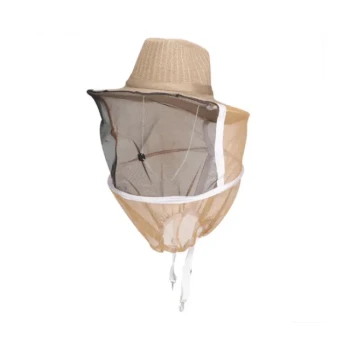
Protective management measures and monitoring consumables provide the essential data and physical barriers needed to navigate toxic environments. They allow beekeepers to accurately assess toxicity risks in the surrounding area and implement isolation strategies during high-risk pesticide application seasons. This minimizes direct contact with harmful chemicals, preserving the colony's immune system and overall vitality.
Success in modern apiculture requires shifting from reactive treatment to proactive environmental management. By utilizing specialized hardware for site selection and consumables for isolation, you create a defensive buffer that allows the colony’s natural defenses to function without being overwhelmed by external chemical stressors.
Proactive Environmental Assessment
To mitigate pesticide exposure effectively, you must understand the landscape before the bees even begin foraging.
Assessing Toxicity Risk
The primary function of monitoring consumables and hardware is to evaluate the toxicity risk in the environment surrounding an apiary. Before establishing a colony, these tools provide data on potential chemical threats in the immediate vicinity.
Strategic Site Selection
Using specialized hardware allows for data-driven apiary site selection. By combining this hardware with Geographic Information Systems (GIS) maps, operators can identify and avoid high-infestation zones or areas with heavy agricultural runoff.
Isolation During Application Seasons
Once a site is active, protective measures must become dynamic. Implementing isolation strategies during known pesticide application seasons is critical to physically prevent honeybees from encountering fresh chemical residues.
Strengthening Internal Colony Defenses
Mitigating exposure is not just about avoiding chemicals; it is about maintaining a colony strong enough to withstand incidental contact.
Protecting the Immune System
The ultimate goal of minimizing contact with harmful chemicals is to protect the colony's immune system. When bees are not fighting off chemical toxicity, their biological resources can be directed toward growth and natural defense.
Reducing Secondary Infection Pressure
Continuous removal of waste and residues using specialized cleaning consumables reduces the pathogen load within the hive. By clearing contaminated debris and feces, you lower the risk of secondary infections that often opportunistically attack colonies weakened by environmental stress.
Evaluating Baseline Tolerance
Supporting natural cleaning behaviors allows for the evaluation of the baseline tolerance of different honeybee species. This helps breeders identify genetic lines that are resilient under conditions without medicinal intervention.
Integrated Pest Management (IPM) as a Buffer
Pesticide exposure often happens when beekeepers use chemical treatments for pests. Using physical consumables eliminates this internal source of toxicity.
Deploying Physical Traps
Equipment-specific actions, such as deploying professional physical traps, target biological pests like bee-wolves and cleptoparasites. These measures minimize interference with foraging and protect vulnerable colonies without introducing chemical agents.
Eliminating Chemical Residues
Standardized consumables, such as physical isolation racks and biological control agents, target pests like Varroa mites and hive beetles. Because these methods leave no chemical residues, they maintain high-purity organic honey standards and prevent the "cocktail effect" of combining internal treatments with external agricultural pesticides.
Understanding the Trade-offs
While protective management is effective, it introduces specific operational challenges that must be weighed.
Increased Operational Complexity
Implementing GIS mapping, specialized traps, and isolation strategies requires significantly more labor and technical expertise than traditional methods. Beekeepers must balance the health benefits against the increased time required for management.
The Limits of Isolation
Isolation strategies are effective for short durations, but they cannot be permanent. prolonged isolation restricts foraging, which can lead to nutritional deficits that may be just as damaging to the colony as low-level pesticide exposure.
Making the Right Choice for Your Goal
Protective measures should be tailored to the specific threats in your local environment.
- If your primary focus is avoiding agricultural pesticides: Prioritize the use of GIS mapping for site selection and strict isolation protocols during local spraying seasons.
- If your primary focus is organic certification: Rely on physical consumables like traps and isolation racks to control pests without adding chemical residues to the hive.
- If your primary focus is breeding resilient stock: Focus on waste removal consumables to lower pathogen loads, allowing you to observe natural baseline tolerance levels.
By controlling the environment outside the hive and hygiene inside the hive, you transform the apiary from a passive target into a fortified sanctuary.
Summary Table:
| Measure Type | Primary Function | Key Benefit |
|---|---|---|
| Monitoring Consumables | Assess toxicity risk & environment data | Data-driven site selection & risk avoidance |
| Isolation Hardware | Physical barriers during spray seasons | Minimizes direct contact with harmful residues |
| Physical Traps | Targeted pest control (Varroa, Hive Beetles) | Eliminates internal chemical residue (IPM) |
| Hygienic Consumables | Waste & residue removal | Lowers pathogen load & protects immune systems |
Secure Your Apiary’s Future with HONESTBEE
As a commercial apiary or distributor, protecting colony health is vital to your bottom line. HONESTBEE provides the comprehensive wholesale solutions you need to mitigate pesticide risks and enhance productivity. From specialized hive-making and honey-filling machinery to essential monitoring consumables and physical pest traps, we supply the high-quality tools required for modern, residue-free beekeeping.
Ready to upgrade your equipment and safeguard your bees?
Contact HONESTBEE Today to explore our full spectrum of beekeeping hardware and consumables tailored for the professional industry.
References
- Zeinab Ahmed, Ahmed A. Ibrahim. SOME FACTORS AFFECTING LOSSES OF HONEY BEE COLONIES IN ASSIUT GOVERNORATE (UPPER EGYPT).. DOI: 10.21608/aunj.2018.221321
This article is also based on technical information from HonestBee Knowledge Base .
Related Products
- HONESTBEE Entrance Bee Feeder Professional Hive Nutrition Solution for Beekeeping
- White Cotton Beekeeping Jacket and Veil for Bee Keepers
- Beekeeping Jacket with Hood and Veil for Beekeepers
- Beekeeping Gloves Goatskin Leather with Long Cotton Sleeve for Beekeepers
- HONESTBEE Professional Hive Top Bee Feeder Feeding Solution
People Also Ask
- What types of bee feeders are available for beginners? Start with the Simple Entrance Feeder
- What are the advantages and disadvantages of using an entrance feeder for bees? Balance Convenience and Hive Security.
- What is a bee entrance feeder and what are its drawbacks? Essential Guide to Hive Security and Feeding Efficiency
- How does a bee entrance feeder work? A Simple Guide to Convenient Hive Feeding
- How to make an entrance feeder for bees? A DIY Guide for Safe & Effective Feeding