A queen excluder is often ironically nicknamed a "honey excluder" because worker bees can be reluctant to squeeze through the device's narrow openings to access the honey supers above. If the colony refuses to cross this physical barrier, they will continue to pack nectar into the brood chamber until every available cell is full. This hesitation effectively blocks—or "excludes"—honey storage in the area where the beekeeper actually wants it.
The term reflects a behavioral bottleneck where bees delay entering honey supers due to the physical resistance of the excluder. This is a management challenge rather than a defect in the tool, often resolved by encouraging bees to establish a presence above the barrier first.
Understanding the Resistance
The Physical Barrier
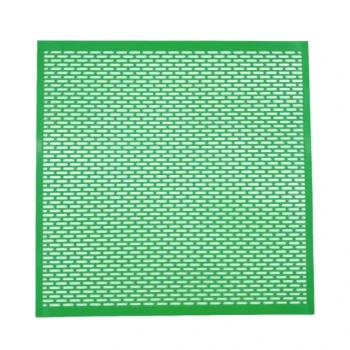
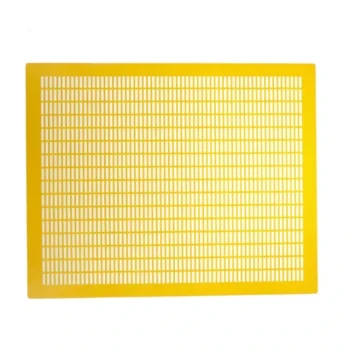
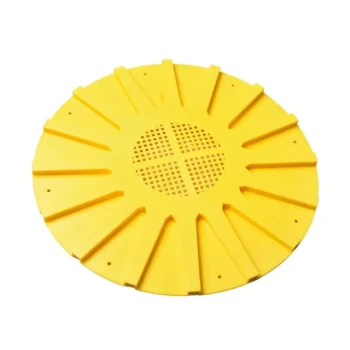
Bees prefer to move freely within the hive. The queen excluder is designed with narrow openings specifically sized to block the larger abdomen of the queen while allowing smaller worker bees to pass.
However, passing through these gaps requires effort. Workers are often hesitant to force their way through the grid, especially if the frames above are empty or "dry."
The "Backfilling" Problem
When workers refuse to cross the excluder, they do not stop collecting nectar. Instead, they store it in the brood nest below.
This fills cells that the queen needs for laying eggs. If the brood chamber becomes "honey-bound" (filled with nectar instead of brood), it can restrict colony growth and potentially trigger swarming impulses due to perceived congestion.
Overcoming the "Honey Excluder" Effect
Timing the Installation
The reluctance to cross the excluder is strongest when the supers above are unfamiliar territory. To minimize this, you should avoid placing an excluder under completely empty supers immediately.
The "Baiting" Strategy
According to standard best practices, you should encourage the bees to begin work in the supers before installing the excluder.
Allow the bees to move up and start drawing comb or storing nectar in the honey supers first. Once they have established a pattern of moving upward and have a stake in the upper boxes, you can insert the excluder.
Evaluating the Trade-offs
Flow vs. Purity
The primary trade-off is between hive traffic and honey purity.
Using an excluder guarantees that your honey harvest will be free of brood (bee larvae). However, it introduces a "traffic jam" that requires the management techniques described above to ensure maximum honey yield.
Congestion Risks
If you install an excluder and fail to monitor the supers, you risk stalling the hive.
You must visually verify that bees are actually passing through the excluder. If you see a crowded brood box below and empty supers above, the "honey excluder" effect is occurring, and you must intervene immediately to remove the barrier until traffic is established.
Making the Right Choice for Your Hive
To ensure the excluder functions as a filter for the queen rather than a blockade for honey, follow these guidelines:
- If your primary focus is clean honey harvesting: Use the excluder, but only install it after you see visual evidence that bees are already working in the supers.
- If your primary focus is rapid colony expansion: Consider leaving the excluder off temporarily to allow unrestricted movement, then add it only once the honey flow is heavy and the bees are driven to store upward.
Mastering the use of a queen excluder requires viewing it not just as a screen, but as a traffic control device that must be introduced at the right moment.
Summary Table:
| Feature | Queen Excluder Function | The 'Honey Excluder' Effect |
|---|---|---|
| Primary Purpose | Restricts queen to brood chamber | Accidental blockage of worker bees |
| Worker Movement | Passable but requires effort | Reluctance to cross narrow gaps |
| Storage Result | Clean honey in upper supers | Nectar backfilled in brood nest |
| Colony Impact | Organizes hive structure | Risk of swarming due to congestion |
| Management Solution | Baiting supers before installation | Removing barrier to restore traffic flow |
Maximize Your Apiary Productivity with HONESTBEE
Don't let a "honey excluder" stall your production. At HONESTBEE, we specialize in supporting commercial apiaries and distributors with high-quality beekeeping equipment designed for efficiency. Whether you need precision-engineered queen excluders, professional-grade honey-filling machines, or durable hive-making hardware, our comprehensive wholesale portfolio has you covered.
From essential consumables to specialized machinery and honey-themed cultural merchandise, we provide the tools you need to scale your operations and satisfy your customers. Contact us today to discuss our wholesale offerings and discover how HONESTBEE can streamline your honey production and business growth.
Related Products
- High Performance Plastic Queen Excluder for Beekeeping and Apiary Management
- Lightweight Durable Plastic Queen Excluder Scraper for Beekeeping
- Premium Wood Framed Metal Wire Queen Bee Excluder
- Professional Plastic Queen Excluder for Modern Beekeeping
- Metal Queen Bee Excluder for Beekeeping
People Also Ask
- What are the characteristics of a plastic queen excluder? Key Benefits for Cost-Effective Beekeeping
- What are the operational and cost advantages of using plastic queen excluders over metal or wire excluders in commercial hive management? Discover how they reduce labor, prevent wing damage, and lower total costs.
- What types of queen excluders are available for beekeepers? Choose the Right Tool for Your Hive
- Why are standardized hive frames and queen excluders essential for maintaining honey purity and quality? Scale Your Purity
- Do plastic queen excluders work? A Cost-Effective Solution for Modern Apiaries