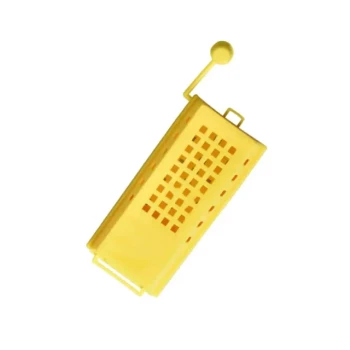
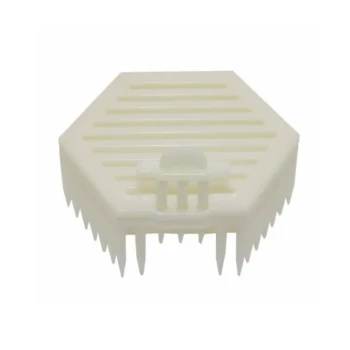
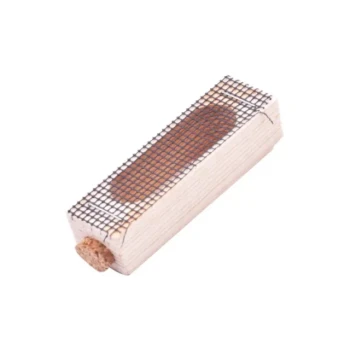
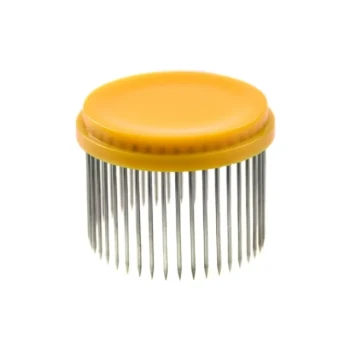
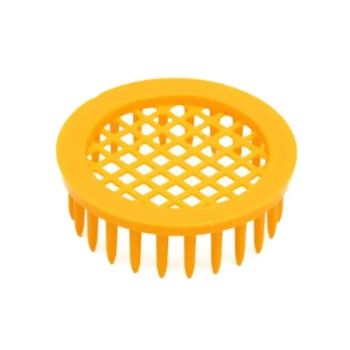
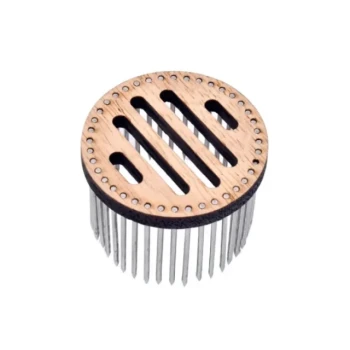
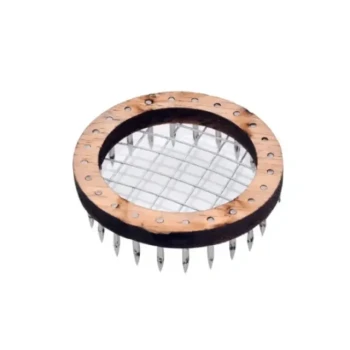
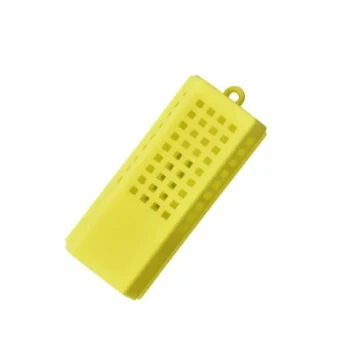
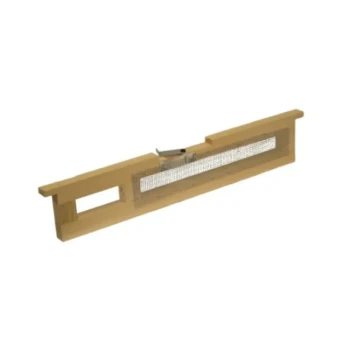
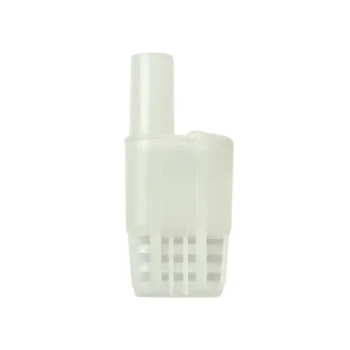
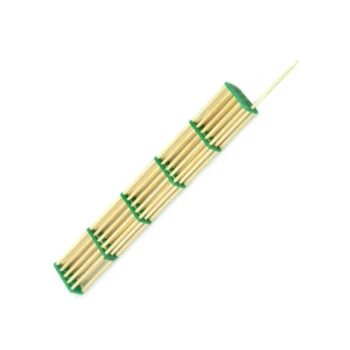
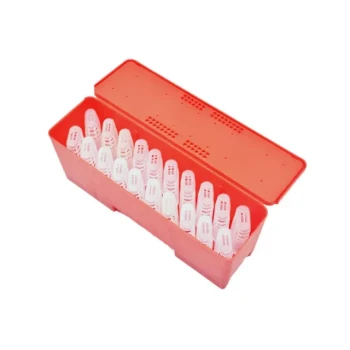
Queen Introduction Cages function as precise isolation tools that restrict the queen to a specific area for a strictly defined window of time. By confining the queen to a micro-frame or specific comb section, researchers force egg-laying to occur simultaneously, guaranteeing that all resulting larvae are at the exact same developmental stage.
The use of these cages eliminates experimental variables by creating a batch of larvae with identical birth times. This synchronization is critical for scientific accuracy, removing age-related biases in studies regarding virus susceptibility, drug response, or proteomic analysis.
The Mechanism of Synchronization
Physical Restriction
The primary function of the cage is to act as a physical barrier. Instead of allowing the queen to wander the hive and lay eggs sporadically across different frames, the cage confines her to a localized area of a micro-frame.
This concentration ensures that every egg found in that specific area was laid by the target queen. It prevents the mixing of broods from different time periods or different queens.
Temporal Control
By controlling where the queen is, researchers also control when the laying happens. The cage is typically left in place for a specific duration, ranging from short windows like 5 hours to longer periods like 48 hours.
Once the cage is removed, the eggs laid during this window are biologically locked to that timeframe. This creates a "cohort" of larvae that will age in lockstep.
Why Age Uniformity Matters in Research
Eliminating Biological Noise
Larval physiology changes rapidly during development. Without synchronization, a sample group would contain larvae of varying ages, introducing "time-related variables" that corrupt data.
In sensitive fields like proteomic analysis, even a slight difference in age can alter the protein profile of a larva. The cage ensures that any differences observed are due to the experiment, not random age variations.
Validating Pathogen and Drug Studies
A larva's ability to survive a virus or drug treatment often depends on its maturity. For example, susceptibility to pathogens like chalkbrood can vary significantly based on how many hours old the larva is.
If larvae are not synchronized, a researcher cannot tell if a survivor lived because of the treatment or simply because it was older and stronger. The cage removes this bias, ensuring drug responses and virus susceptibility are tested on a level playing field.
Understanding the Trade-offs
The Constraints of Confinement
While essential for data precision, this method introduces artificial constraints. Restricting a queen can be stressful and temporarily disrupts the natural flow of the colony.
Furthermore, the yield of synchronized larvae is limited by the size of the restricted area and the duration of confinement. A shorter window (e.g., 5 hours) produces highly synchronized data but a smaller sample size compared to a 48-hour window.
Maximizing Experimental Integrity
To ensure your data is valid, select your confinement strategy based on the sensitivity of your research.
- If your primary focus is proteomic analysis: Use a shorter confinement window (e.g., 5 hours) to eliminate even minor time-related variables that could interfere with protein data.
- If your primary focus is disease research: Ensure the cage restricts the queen long enough to generate a statistically significant batch size, but short enough to keep susceptibility levels uniform.
The Queen Introduction Cage is not merely a container; it is a calibration tool essential for standardizing biological inputs.
Summary Table:
| Feature | Function in Synchronization | Benefit to Research |
|---|---|---|
| Physical Restriction | Confines the queen to a micro-frame | Guarantees all eggs are from the same queen and area |
| Temporal Control | Limits egg-laying to a specific time window | Creates a uniform 'cohort' of larvae aging in lockstep |
| Variable Elimination | Removes age-related biological noise | Ensures accurate data in proteomics and drug studies |
| Sample Scalability | Adjustable confinement duration (5-48 hrs) | Balances data precision with required sample size |
Elevate Your Beekeeping Operation with HONESTBEE
At HONESTBEE, we understand that precision is the backbone of successful commercial apiaries and research. We specialize in providing a comprehensive wholesale range of high-quality beekeeping tools, from specialized queen introduction cages and hive-making machinery to advanced honey-filling equipment and essential consumables.
Whether you are a large-scale distributor or a professional apiary seeking to optimize honey bee development and colony health, our expertise ensures you have the reliable hardware and industry-themed merchandise needed to thrive.
Ready to scale your production and improve experimental integrity?
Contact HONESTBEE today to discuss our wholesale solutions and how we can support your business growth!
References
- Zoe E. Smeele, Philip J. Lester. Effects of Deformed Wing Virus-Targeting dsRNA on Viral Loads in Bees Parasitised and Non-Parasitised by Varroa destructor. DOI: 10.3390/v15112259
This article is also based on technical information from HonestBee Knowledge Base .
Related Products
- Durable Galvanized Steel Spring Queen Bee Cage
- Professional Queen Bee Introduction and Transport Cage
- Professional Queen Cage with Sliding Gate and Feeder Plug
- Hexagonal Direct Comb Introduction Queen Bee Cage
- Professional Multi-Functional Queen Bee Cage
People Also Ask
- Why are specialized queen bee cages used for the banking of mated queen bees? Maximize Commercial Apiary Storage Efficiency
- What is the mechanism of action for using temporary queen bee cages? Master Successful Queen Introduction
- What is the step-by-step process for installing a queen bee's cage onto a frame? Ensure Hive Acceptance Safely
- What is the optimal placement for a queen bee cage? Essential Strategies for Successful Re-queening
- What are the advantages and disadvantages of introducing a queen bee by embedding the cage? Boost Your Queen Acceptance