Specialized beekeeping tools serve as the fundamental infrastructure for precise colony management. They provide the physical means to execute health assessments—such as evaluating parasite loads and detecting pathogens—while ensuring the safety of the technician and minimizing disruption to the colony's normal activities.
Core Insight: Specialized hardware transforms colony management from a reactive guessing game into a proactive science. These tools are not merely accessories; they are the required interface for gathering accurate biological data (like queen vitality and resource adequacy) to ensure long-term operational stability.
The Mechanics of Non-Disruptive Assessment
Preserving Colony Stability
The primary function of specialized tools is to allow human intervention without destabilizing the colony. Direct handling can trigger defensive behaviors and stress.
Dedicated inspection gear allows technicians to access the hive interior safely. This creates an environment where accurate assessments can occur without the chaos of an agitated colony.
Precision in Physical Manipulation
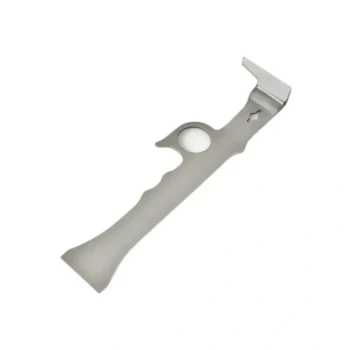
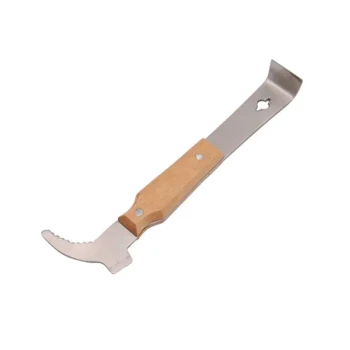
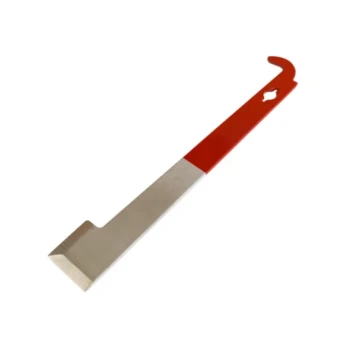
Tools like the beekeeping hive tool (chisel) utilize the lever principle to separate frames bonded by propolis. This specific mechanical advantage is crucial during spring audits.
By cleanly prying open hive components, beekeepers can inspect the egg-to-larva ratios and adjust internal spacing. This precision fine-tunes the hive's internal temperature and humidity control, laying the physical foundation for reproduction.
Critical Health Metrics Enabled by Hardware
Pathogen and Parasite Evaluation
You cannot manage what you cannot measure. Sampling equipment is essential for quantifying parasite loads and detecting pathogens early.
This hardware enables the collection of samples needed to assess the colony's defense status. Early detection allows for immediate physical preventive measures, such as applying insect-proof grease to stop predator intrusion.
Monitoring Queen Vitality
The long-term survival of a colony hinges on the queen. Inspection tools are necessary to visually verify her presence and assess her reproductive output.
By examining brood patterns and larval development, technicians can determine if the queen is failing. This data is vital for deciding when to intervene to maintain population numbers.
Analyzing Environmental Stressors
In-hive product monitoring tools collect data on honey, beeswax, and bee bread. These are not just commercial products; they are biological indicators.
The quality of these resources reflects chemical exposure and resource acquisition capabilities. These metrics feed into the Health Status Index (HSI), revealing how environmental stressors are impacting the colony’s physiology.
Advanced Environmental Monitoring
Continuous Microclimate Tracking
Beyond manual tools, digital temperature and humidity sensors provide a continuous stream of data regarding the hive's internal regulation.
This data evaluates the colony's ability to regulate its own climate. It warns of extreme weather threats to breeding or wintering clusters, guiding decisions on ventilation or supplemental feeding to reduce mortality.
Understanding the Trade-offs: The Biosecurity Risk
The Risk of Horizontal Transmission
While tools are essential for monitoring, they act as a double-edged sword. Tools like hive scrapers and bee brushes are primary vectors for the horizontal transmission of pathogens.
Moving a tool from a diseased colony to a healthy one can mechanically spread pathogenic microorganisms, undermining the very health you are trying to monitor.
The Imperative of Sterilization
To mitigate this risk, the use of professional disinfection consumables or high-temperature sterilization equipment is non-negotiable.
Severing these mechanical transmission paths is a critical component of apiary biosecurity. Without a sterilization protocol, your monitoring tools become infection delivery systems.
Making the Right Choice for Your Goal
To effectively implement health monitoring, align your tool selection with your operational objectives:
- If your primary focus is Pest and Disease Management: Prioritize sampling equipment and digital monitoring tools to feed accurate data into the Health Status Index (HSI) for early detection.
- If your primary focus is Apiary Biosecurity: Invest heavily in sterilization equipment and establish strict protocols to prevent your hive tools from becoming vectors of cross-infection.
- If your primary focus is Colony Productivity: Utilize precision hive tools and climate sensors to optimize internal spacing and ventilation, ensuring maximum foraging capacity and brood rearing.
Ultimately, the value of a beekeeping tool is measured not by its complexity, but by its ability to deliver accurate health data while minimizing biological stress on the colony.
Summary Table:
| Tool Category | Primary Function in Health Monitoring | Impact on Colony Stability |
|---|---|---|
| Precision Hive Tools | Frame manipulation & brood inspection | Minimizes colony stress and defensive behavior |
| Sampling Hardware | Quantifying parasite loads (e.g., Varroa) | Enables early detection and proactive treatment |
| Digital Sensors | Continuous microclimate (Temp/Humidity) tracking | Predicts environmental stress and wintering success |
| Sterilization Gear | Preventing horizontal pathogen transmission | Critical for maintaining apiary-wide biosecurity |
| Inspection Gear | Visual verification of queen vitality | Ensures long-term population and reproductive health |
Scale Your Apiary Operations with HONESTBEE Precision Tools
At HONESTBEE, we understand that for commercial apiaries and distributors, the right equipment is the difference between a reactive guessing game and a proactive science. We offer a comprehensive wholesale portfolio designed to enhance your operational efficiency and biosecurity:
- Professional Hardware: From specialized hive tools to advanced honey-filling and hive-making machinery.
- Health & Maintenance: Essential consumables and sterilization equipment to prevent cross-contamination.
- Total Solutions: A full spectrum of beekeeping tools and honey-themed cultural merchandise for your distribution needs.
Ready to optimize your colony health monitoring?
Contact HONESTBEE Today to access our premium wholesale catalog and see how our tools empower your professional growth.
References
- Fabrice Réquier, Robin M. Crewe. Learning from Wild Honey Bees. DOI: 10.1016/j.tree.2019.08.002
This article is also based on technical information from HonestBee Knowledge Base .
Related Products
- HONESTBEE 15-in-1 Beekeeper Multi-Tool with Hammer and Pliers for Beekeeping
- Stainless Steel J Hook Hive Tool for Beekeeping
- HONESTBEE Advanced Ergonomic Stainless Steel Hive Tool for Beekeeping
- Stainless Steel Queen Grafting Tool for Beekeeping and Bee Queen Grafting
- Ergonomic Plastic Frame Spacer Tool for Rapid Hive Management Beekeeping
People Also Ask
- What is the recommended method for storing beekeeping tools? Expert Vertical Storage Solutions for Your Apiary
- How does a favorable microclimate interact with beekeeping tools? Boost Overwintering Success and Equipment Longevity
- Why is the treatment of beekeeping tools with high-concentration chemical disinfectants necessary for preventing AFB?
- What role do specialized beekeeping tools play in pest management? Enhance Apiary Health with Precision Tech
- How does the stable local supply of beekeeping tools affect technology adoption? Building Sustainable Apiaries