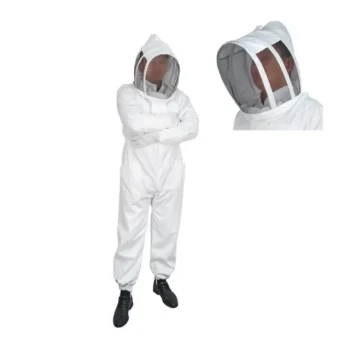
Specialized breeding and epidemic prevention consumables are the dual pillars of modern apiary health. By enabling the selective breeding of bees with high hygienic traits and establishing physical barriers against cross-infection, these tools directly mitigate the risks of devastating bacterial diseases like American Foulbrood and various viral infections.
While traditional beekeeping often relies on reactive treatments, utilizing specialized consumables shifts the operational strategy to proactive prevention. This approach combines genetic resilience with strict biosecurity protocols to safeguard colony survival and product purity.
Building Resilience Through Genetics
To achieve long-term biosafety, apiaries must look beyond immediate treatments and focus on the biological capabilities of the honeybees themselves.
Precise Genetic Selection
Tools such as artificial insemination equipment and queen rearing cups are not merely accessories; they are essential for controlled breeding.
These consumables allow apiarists to isolate and propagate specific genetic lines that exhibit high hygienic behavior.
The Mechanism of Hygienic Traits
Bees bred with these traits are more efficient at detecting and removing diseased brood before an infection can spread throughout the colony.
By using specialized breeding tools, you effectively "install" a natural immune system into the colony's genetic code, reducing reliance on external chemical interventions.
Establishing Physical Biosecurity Barriers
While genetics provide long-term protection, immediate biosafety relies on blocking the transmission pathways of pathogens.
Blocking Cross-Infection
Disposable epidemic prevention consumables are critical for severing the chain of transmission between hives.
Pathogens, particularly bacterial spores found in American Foulbrood, are easily transferred via reusable tools or gloves.
Elevating Management Standards
Using single-use or specialized barrier materials prevents the accidental mechanical transfer of viruses and bacteria between different apiaries.
This creates a quarantine-like environment for each hive, significantly raising the overall biosafety management standard of a commercial operation.
Monitoring and Targeted Intervention
Supplementary technologies enhance these physical and genetic barriers by allowing for data-driven decision-making.
Precision Monitoring
Professional equipment, such as Varroa mite samplers and microscopic tools, moves disease management from guesswork to precision science.
Regular monitoring allows beekeepers to detect threats like Deformed Wing Virus or mite infestations early, enabling intervention before a colony collapses.
Residue-Free Treatments
When intervention is necessary, the trend favors high-biosafety consumables like herbal extracts (e.g., wormwood or red pepper).
These additives stimulate the bee's natural immune system without leaving synthetic chemical residues, a critical requirement for producing high-standard organic bee products.
Understanding the Trade-offs
Adopting these specialized tools involves operational shifts that must be managed carefully.
Complexity and Skill Requirements
Advanced tools, particularly artificial insemination equipment, require a higher level of technical expertise than traditional beekeeping methods.
Operators must be trained not just in beekeeping, but in microscopic analysis and genetic principles to maximize the value of these consumables.
Operational Costs vs. Long-Term Savings
Specialized consumables and disposable prevention materials represent a higher upfront recurring cost compared to reusing equipment.
However, this cost must be weighed against the financial devastation of a mass colony die-off, which these investments actively prevent.
Making the Right Choice for Your Apiary
The specific mix of consumables you should prioritize depends on your immediate operational goals.
- If your primary focus is Organic Certification: Prioritize herbal extract consumables and breeding tools to ensure residue-free disease resistance.
- If your primary focus is Disease Containment: Invest heavily in disposable epidemic prevention consumables to physically block pathogen transfer between hives.
- If your primary focus is Long-Term Colony Stability: Focus on artificial insemination and queen rearing tools to breed self-sustaining hygienic behaviors into your stock.
By integrating these specialized materials, you transform beekeeping from a reactive struggle against disease into a managed, secure, and predictable science.
Summary Table:
| Category | Key Consumables | Primary Biosafety Function |
|---|---|---|
| Genetic Selection | Artificial Insemination Equipment, Queen Rearing Cups | Propagates hygienic traits and natural disease resistance. |
| Physical Barriers | Disposable Gloves, Single-use Tools, Barrier Materials | Blocks mechanical transmission of pathogens (e.g., American Foulbrood). |
| Health Monitoring | Varroa Mite Samplers, Microscopic Tools | Enables early detection and data-driven intervention. |
| Residue-Free Care | Herbal Extracts (Wormwood/Red Pepper) | Stimulates immune systems without chemical residues for organic purity. |
Secure Your Apiary’s Future with HONESTBEE
As a commercial apiary operator or distributor, your success depends on minimizing risk and maximizing colony vitality. HONESTBEE provides the professional-grade tools you need to transition from reactive treatment to proactive biosafety.
We offer a comprehensive wholesale portfolio, including:
- Advanced Breeding Tools: Specialized hardware for artificial insemination and queen rearing.
- Precision Machinery: Honey-filling and hive-making machines to streamline your production.
- Biosecurity Essentials: A full spectrum of epidemic prevention consumables and specialized hardware.
Whether you are scaling a commercial operation or supplying the industry, we deliver the quality and expertise required for high-standard beekeeping.
Ready to elevate your biosafety standards? Contact HONESTBEE Today for a Wholesale Consultation
References
- Martine J. Barons, Aditi Shenvi. Where the bee sucks: a dynamic Bayesian network approach to decision support for pollinator abundance strategies. DOI: 10.1093/jrsssa/qnad126
This article is also based on technical information from HonestBee Knowledge Base .
Related Products
- White Cotton Beekeeping Jacket and Veil for Bee Keepers
- Galvanized Beekeeping Smoker for Honey Bee and Apiculture
- Heavy-Duty Ergonomic Grip Galvanized Pollen Shovel
- Compact Circular Bee Mite Treatment Dispenser
- Stainless Steel Honey Bee Smoker Hive and Honeycomb Smoker for Beekeeping
People Also Ask
- What are the features of an economical beekeeping jacket? Essential Protection for Budget-Conscious Beekeepers
- What are the pros of using a beekeeping jacket? Unlock Superior Comfort and Mobility for Your Apiary
- What factors should a new beekeeper consider when choosing between a jacket and a full suit? Security vs. Comfort
- What are the advantages of a beekeeping jacket? Superior Mobility & Comfort for Routine Hive Inspections
- When is a beekeeping jacket considered a more suitable choice than a full suit? Optimize Your Apiary Mobility