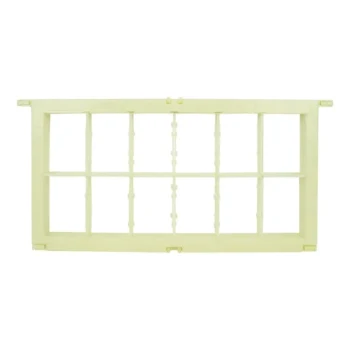
Specialized drone comb frames function as a highly effective biological trap. They are utilized in biotechnological control strategies to exploit the natural reproductive preference of Varroa destructor mites for drone brood. By concentrating mites into specific frames and physically removing them before they emerge, beekeepers can significantly lower the parasitic load of a colony without introducing chemical agents.
This method leverages the mite’s strong biological drive to reproduce in drone cells, effectively turning their own instincts against them. It allows for the mechanical removal of a large percentage of the mite population, reducing the need for synthetic treatments and preserving honey purity.
The Biological Mechanism
Exploiting Reproductive Preferences
The core principle behind this method is the biological preference Varroa mites have for drone cells. Mites are naturally drawn to these cells because drone larvae require a longer development period than worker bees.
Concentrating the Enemy
Because of this longer gestation, drone cells act as a magnet for the parasites. Supporting data suggests these cells can be 10 to 12 times more attractive to mites than standard worker cells.
By placing a frame that induces the bees to build drone comb, you create a specific "sacrifice zone" within the hive. The mites bypass the worker brood to congregate in the drone trap, effectively concentrating the infestation in one manageable location.
How the Control Method Works
Inducing the Trap
Beekeepers insert specialized frames that encourage the colony to build drone comb. The bees naturally fill these cells with drone larvae, which subsequently attract the mites.
The Capping Phase
Once the larvae are ready to pupate, the bees cap the cells with wax. At this stage, the mites are physically trapped inside the cells with the developing drones.
Mechanical Elimination
Crucially, the frame must be processed after capping but before the drones emerge. The beekeeper removes the frame and destroys the mites using one of several physical methods:
- Freezing: Freezing the frame to kill the mites (and larvae).
- Mechanical Excision: Cutting out the capped comb.
- Heat Treatment: Using heat to eliminate the parasites.
This results in a direct reduction of the mite population using purely mechanical means.
Understanding the Trade-offs
The Risk of Timing Errors
This method requires strict adherence to a schedule. If the frame is left in the hive too long and the drones are allowed to hatch, the trap fails. Worse, you will have inadvertently bred a massive new generation of mites and released them into the colony.
Labor Intensity
Unlike chemical strips that can be applied and left alone, drone brood removal is an active management technique. It requires regular hive inspections and physical labor to remove and process the frames.
Making the Right Choice for Your Goal
To determine if drone comb frames are the right tool for your apiary, consider your specific management objectives:
- If your primary focus is Chemical-Free or Organic Beekeeping: This is an essential tool, as it offers a mechanical way to suppress mite populations without contaminating honey or wax with synthetic residues.
- If your primary focus is Low-Maintenance Management: You should approach this with caution, as the strict timing required to remove the frames before the mites emerge demands consistent, hands-on attention.
Successful Varroa management relies on disrupting the mite's lifecycle, and drone frames offer a precision tool to do exactly that without chemical intervention.
Summary Table:
| Feature | Biological Mechanism | Impact on Varroa Control |
|---|---|---|
| Mite Attraction | 10-12x higher preference for drone cells | Concentrates parasites in one 'sacrifice zone' |
| Control Method | Mechanical removal of capped drone brood | Physically eliminates mites before they emerge |
| Chemical Impact | Zero synthetic residues | Preserves honey purity and organic status |
| Success Factor | Precise timing of frame removal | Prevents a new generation of mites from hatching |
| Labor Type | Active management/Inspections | Ideal for sustainable, integrated pest management |
Maximize Your Apiary Productivity with HONESTBEE
Controlling Varroa mites is a critical challenge for every commercial operator. At HONESTBEE, we empower beekeeping distributors and commercial apiaries with the high-performance tools and machinery needed to scale sustainable practices. From specialized drone-inducing frames to advanced honey-filling machines and hive-making equipment, our comprehensive wholesale portfolio is designed to enhance your operational efficiency and honey quality.
Ready to upgrade your equipment and secure the health of your colonies? Contact HONESTBEE today for wholesale inquiries and expert equipment solutions!
References
- Zoran Stanimirović, D. Pejovic. Strategy for ecologic control in fighting Varroa destructor. DOI: 10.2298/vetgl0702011s
This article is also based on technical information from HonestBee Knowledge Base .
Related Products
- Heart-Shaped Comb Honey Frame and Honeycomb Cassette
- Professional Sectional Comb Honey Frame with 250g Cassette System for Beekeeping
- Plastic Honey Comb Frames Cassette Box for Honey
- Professional Frame Comb Fork and Lifter for Efficient Handling
People Also Ask
- How are honeybee combs utilized for non-destructive colony monitoring? Master Population Density Tracking
- What is a honeycomb frame? The Key to Modern, Sustainable Beekeeping
- What is the technical purpose of exchanging honeycomb frames? Master Apiary Equalization for Growth
- What frame to use for honeycomb? Choose the Right System for Pure, Edible Comb
- What is the significance of sampling honeycomb frames and hive bottoms? A Guide to Scientific Sanitation Monitoring