Specialized facilities and consumables are the necessary infrastructure for transforming raw agricultural outputs into high-value cultural assets. In urban environments, they allow producers to move beyond simple extraction and engage in deep processing and product diversification. This strategy extends the beekeeping value chain, turning basic by-products into premium consumer goods that command higher market attention.
By shifting focus from raw commodity sales to branded operations, specialized facilities unlock the narrative potential of apiculture. They enable the creation of merchandise that not only generates higher margins but also actively fosters public support for biodiversity and urban sustainability.
Extending the Value Chain
Transitioning to Deep Processing
Basic honey extraction is often insufficient for sustaining a high-value urban operation. Specialized facilities provide the capability for deep processing, converting raw materials into sophisticated products.
This shift allows beekeeping enterprises to upgrade their business model. Instead of selling a commodity, they produce value-added goods that capture a larger share of the market revenue.
Utilizing Small-Scale Precision Equipment
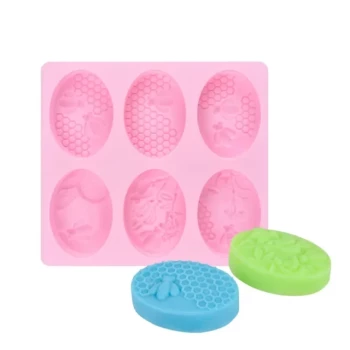
Urban environments often require agility rather than mass industrial scale. Small-scale processing tools, such as beeswax processing machines or molding equipment, are essential for this context.
These machines provide precise control over curing and molding processes. This technology enables the consistent production of commercial crafts and cultural derivatives from by-products that might otherwise be discarded.
Enhancing Brand Identity and Market Position
Creating a Visual Premium
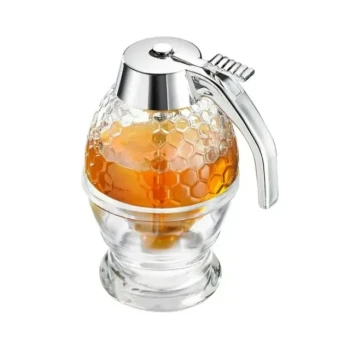
The urban market is driven by aesthetics and brand perception. Specialized packaging consumables, such as premium display bottles, serve as critical visual marketing tools.
High-quality presentation increases the cultural depth of the product. This visual premium is often a prerequisite for gaining entry into high-end retail networks and international exhibitions, supporting higher export prices.
Transforming Science into Culture
Facilities equipped to manage knowledge resources can translate technical data into marketable assets. By utilizing honey plant manuals and traditional knowledge, producers can create narrative-driven products.
For example, beeswax soaps infused with specific plant essences rely on documented medicinal or botanical knowledge. This approach transforms the scientific aspects of apiculture into a cultural product that resonates with consumers seeking authenticity.
Promoting Education and Advocacy
Reconnecting Urban Populations
In an urban setting, honey-themed merchandise acts as a physical medium to reconnect people with nature. Interactive teaching consumables transform standard beekeeping into a platform for environmental advocacy.
These products facilitate deep learning regarding life sciences and biodiversity loss. They encourage the public to participate in pollinator-friendly habitat management, turning consumers into active supporters.
Accelerating Design and Storytelling
A robust knowledge management strategy within these facilities integrates history, storytelling, and modern design. This mechanism converts intangible cultural assets into explicit brand value.
By streamlining the sharing of creative concepts, organizations can significantly shorten the design cycle. This allows for the rapid creation of differentiated products that stand out in a crowded marketplace.
Understanding the Operational Trade-offs
Investment Complexity vs. Output
While specialized facilities increase product value, they introduce significant operational complexity. Moving from simple extraction to deep processing requires investment in machinery, such as molding equipment, which may strain the resources of smaller urban operations.
The Burden of Narrative Maintenance
Creating "cultural merchandise" requires more than just manufacturing; it requires constant narrative management. Relying on knowledge manuals and storytelling means the brand must continuously verify and update its cultural content to maintain authenticity, adding a layer of administrative overhead.
Making the Right Choice for Your Goal
To determine the right level of investment in specialized facilities, consider your primary objective:
- If your primary focus is Market Expansion: Prioritize specialized packaging and premium display tools to secure entry into high-end retail and international export markets.
- If your primary focus is Brand Differentiation: Invest in small-scale processing equipment and botanical knowledge resources to create unique, narrative-driven derivatives like infused soaps or crafts.
- If your primary focus is Public Advocacy: Center your resources on interactive teaching consumables that emphasize biodiversity education over pure commercial output.
Success in urban beekeeping merchandise depends on using these facilities not just to manufacture products, but to manufacture meaning.
Summary Table:
| Facility/Consumable Type | Core Function | Impact on Business |
|---|---|---|
| Deep Processing Machinery | Converts raw beeswax & honey into soaps/crafts | Extends value chain & increases margins |
| Small-Scale Precision Tools | High-accuracy molding and curing | Enables consistent, high-quality urban production |
| Premium Packaging | Aesthetic display bottles & branding | Secures entry into high-end retail & export markets |
| Educational Consumables | Interactive teaching kits & plant manuals | Boosts brand loyalty through environmental advocacy |
| Knowledge Management | Narrative-driven design & storytelling | Differentiates products via cultural authenticity |
Elevate Your Urban Beekeeping Business with HONESTBEE
Transition from raw honey sales to a high-margin cultural brand. HONESTBEE specializes in empowering commercial apiaries and distributors with the essential tools needed for deep processing and product diversification.
Why partner with us?
- Comprehensive Equipment: From hive-making to honey-filling and beeswax molding machines, we provide the hardware to scale your production.
- Wholesale Consumables: Access premium display packaging and industry-standard consumables that enhance your visual brand identity.
- Specialized Merchandise: We supply honey-themed cultural assets that help you capture the premium urban market.
Ready to transform your agricultural outputs into premium consumer goods? Contact HONESTBEE today to explore our wholesale machinery and tools designed for your success.
References
- Joan Casanelles‐Abella, Marco Moretti. Author Correction: Challenging the sustainability of urban beekeeping using evidence from Swiss cities. DOI: 10.1038/s42949-022-00059-9
This article is also based on technical information from HonestBee Knowledge Base .
Related Products
- Modern Honeycomb Pattern Wooden Honey Dipper for Stirring and Drizzling
- Heart-Shaped Comb Honey Frame and Honeycomb Cassette
- Honey Tank Heater Drum Heating Blanket for Honey Barrel
- Classic Beehive Honey Bottle Jar with Squeeze Dispenser Lid
- Professional Plastic Honey Dipper for Easy Honey Drizzling
People Also Ask
- What is the proper method for cleaning a honey dipper? Maintain Pure Flavor with These Easy Pro Tips
- What is a honey dipper and what is it used for? A Guide to Mess-Free Drizzling
- What is a honey dipper? Master the Art of the Perfect Drizzle with This Essential Tool
- What is a honey taking spoon called? Discover the Tool for a Perfect, Mess-Free Drizzle
- How do you clean and store a honey dipper? Simple Steps for Long-Lasting Performance