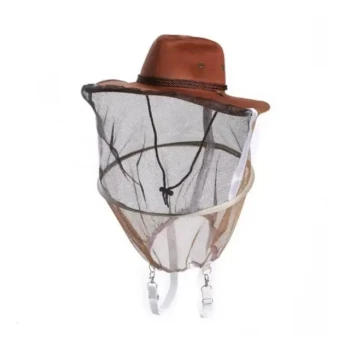
Specialized protective aprons and caps serve as a mandatory physical barrier within the honey processing environment. Their primary function is to prevent foreign contaminants—specifically hair, clothing fibers, and external debris—from entering the honey during the vulnerable extraction and settling phases, thereby ensuring compliance with international food safety regulations.
Core Takeaway: While protective gear is often viewed solely as safety equipment, in honey processing it acts as a critical quality control measure. It creates a necessary shield against human-borne secondary contamination, ensuring that the honey’s microbial profile reflects the natural colony rather than the processing environment.
The Mechanics of Contamination Control
Preventing Physical Impurities
Honey is highly viscous and sticky, making it uniquely susceptible to capturing airborne debris.
During extraction and settling, the product is exposed to the open air.
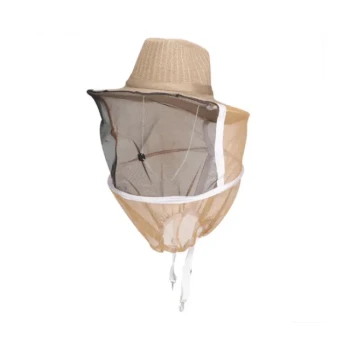
Specialized aprons prevent loose fibers from everyday clothing from shedding into the vat. Similarly, caps are essential to contain hair and scalp particles, which are common sources of physical contamination in food processing.
Preserving Microbial Integrity
Beyond visible debris, human operators introduce invisible risks.
Humans carry a specific microbial load that is distinct from the natural biome of a bee colony.
By wearing specialized gear, you prevent secondary contamination, ensuring that the microbial indicators found in the final product accurately reflect the natural state of the honey, rather than impurities introduced by the human environment.
Regulatory Compliance and Standards
The HACCP Framework
Using specialized protective gear is not merely a "best practice"; it is a formal requirement for HACCP (Hazard Analysis and Critical Control Points) compliance.
In this framework, the introduction of foreign material is a significant hazard.
Protective apparel serves as a verified control measure to mitigate this risk, allowing facilities to meet strict international food safety standards.
Material Requirements
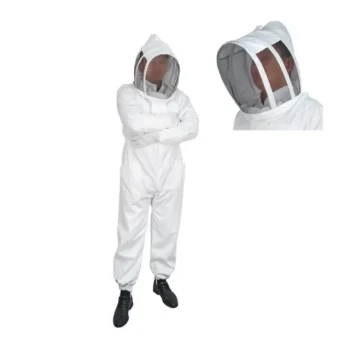
Professional protective clothing is often constructed from puncture-resistant, breathable composite materials.
This dual-functionality ensures the physical safety of the operator during colony handling while simultaneously maintaining the hygienic barrier required for processing.
Operational Trade-offs and Considerations
While specialized gear is essential, it presents specific operational challenges that must be managed.
Comfort vs. Protection
There is often a trade-off between the density of the material required to block contaminants and the breathability needed for operator comfort.
If gear is too uncomfortable or induces excessive sweating, operators may wear it improperly, negating its hygienic value. High-quality composite materials attempt to bridge this gap, but they often come at a higher cost.
False Sense of Security
Wearing an apron does not automatically guarantee hygiene.
A common pitfall is assuming the gear itself is clean; if the apron is not sanitized regularly or is worn outside the processing zone, it becomes a vector for contamination rather than a barrier against it.
Making the Right Choice for Your Facility
To implement an effective hygiene strategy, align your equipment choices with your specific operational goals:
- If your primary focus is Regulatory Compliance: Prioritize gear that is explicitly designed to meet HACCP standards to ensure you pass safety audits without friction.
- If your primary focus is Product Purity: Select gear with high-grade composite materials to minimize the risk of secondary microbial contamination, ensuring your honey retains its natural biological profile.
True hygiene management requires viewing protective gear not just as a uniform, but as a critical component of your product's quality assurance system.
Summary Table:
| Feature | Function in Honey Processing | Impact on Product Quality |
|---|---|---|
| Specialized Caps | Contain hair and scalp particles | Prevents physical impurities and debris |
| Protective Aprons | Barrier against clothing fibers & dust | Reduces risk of secondary contamination |
| HACCP Materials | Meets international food safety codes | Ensures regulatory compliance for export |
| Breathable Composites | Balances operator comfort & protection | Maintains consistent hygiene protocols |
Elevate Your Honey Processing Standards with HONESTBEE
Maintaining the microbial integrity of your honey is critical for commercial success. HONESTBEE empowers commercial apiaries and global distributors with high-performance beekeeping tools, machinery, and essential consumables designed for hygiene and efficiency.
Whether you need specialized honey-filling machines or industrial-grade protective gear that meets rigorous food safety standards, we provide the comprehensive wholesale solutions your business requires. Contact HONESTBEE today to optimize your production line and ensure your product meets the highest international benchmarks.
References
- Soraya Oka Lôbo, Domingos Leite Lima Filho. A influência do curso profissionalizante da ead na atuação do técnico apicultor na microrregião de são raimundo nonato/pi para a construção de conhecimentos e tecnologias. DOI: 10.54019/sesv2n3-014
This article is also based on technical information from HonestBee Knowledge Base .
Related Products
- Stainless Steel Beekeeping Honey Extractor Lid
- Nylon Honey Strainer Square Filter Cloth for Honey Filters
- Acrylic Lid Beekeeping Honey Extractor for Beekeepers
- Professional Honey Uncapping Roller for Efficient Harvesting
- All-Stainless Steel Pivoting Honey Uncapping Fork for Beekeeping
People Also Ask
- How do specialized organic beekeeping tools impact production efficiency? Maximize honey yields and ensure compliance.
- What are the advantages of selecting a stainless steel honey extractor over a plastic one? Pro Beekeeping Guide
- What is a stainless steel honey extractor? Boost Your Apiary's Efficiency with Professional Extraction
- What are the key features of a stainless steel honey extractor? Ensure Purity & Longevity for Your Honey
- What are the key features and benefits of a stainless steel honey extractor? Upgrade to Professional Purity