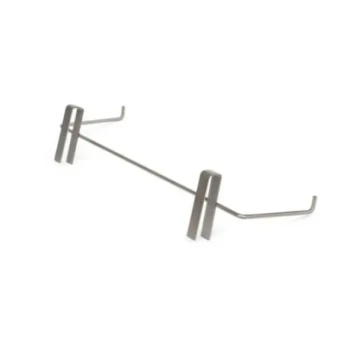
Standardized wooden beehives are the backbone of modern industrial apiculture.
These precision-engineered tools utilize a movable-frame design and uniform specifications to enable high-efficiency honey extraction, precise colony management, and seamless scalability. Unlike traditional hollow trunk or bamboo hives, standardized wooden hives allow beekeepers to inspect colonies without causing destruction, integrate with automated processing equipment, and implement data-driven monitoring for large-scale commercial operations.
Core Takeaway: Standardized hives transform beekeeping from a manual craft into a scalable industrial process by maximizing honey yield, ensuring colony health through non-destructive inspections, and providing the physical foundation for modern IoT and mechanized harvesting technologies.
Maximizing Operational Efficiency and Yield
The Impact of Movable-Frame Design
The defining feature of standardized hives is the movable frame, which allows beekeepers to remove and inspect individual combs without damaging the hive's structure. This design enables non-destructive honey harvesting, ensuring the colony remains productive and intact throughout the season.
Scalability Through Modular Stacking
Commercial success relies on the ability to expand hive capacity during peak nectar flows. Standardized hives use stackable supers (additional boxes) to increase honey storage space precisely when needed, a feat impossible with fixed-volume traditional hives.
Significant Increase in Revenue Potential
Research indicates that the transition to standardized equipment can increase average annual income by approximately 2.3 times. This growth is driven by higher honey purity, increased yield per colony, and reduced labor time per unit.
Precision Management and Colony Health
Enhanced Pest and Disease Control
Standardized specifications facilitate regular health inspections and the precise application of pest control measures. Because frames are interchangeable, beekeepers can easily identify and isolate diseased sections before an infection spreads to the entire apiary.
Integration with Smart Monitoring Hardware
Modern commercial beekeeping increasingly relies on data-driven insights. The uniform physical structure of wooden hives is compatible with intelligent monitoring hardware, such as weighing plates and sensor mounts, which track colony health in real-time.
Scientific Swarm Management
Traditional hives often suffer from unmanaged swarming, which leads to the loss of half the colony's population. Standardized hives allow for artificial colony division, giving professionals the tools to control expansion and maintain peak production levels.
Streamlining the Supply Chain for Distributors
One-Stop Sourcing and Professional Expertise
For B2B resellers and wholesalers, providing standardized hives means offering a comprehensive product portfolio that meets international standards. Working with a partner that offers deep industry expertise ensures that every component—from the brood box to the smallest frame—fits perfectly.
Efficient Fulfillment and Rapid Response
Standardized products allow for ultra-fast delivery and efficient order fulfillment because parts are interchangeable and mass-produced. This reliability is critical for distributors who must respond quickly to the seasonal demands of the beekeeping industry.
Understanding the Trade-offs
Initial Capital vs. Long-Term ROI
Standardized wooden hives require a higher upfront investment compared to traditional hives made from scavenged materials. However, this cost is quickly offset by the drastic reduction in labor costs and the significant increase in honey quality and volume.
Maintenance Requirements
While wood is a durable and breathable material, it requires regular maintenance such as painting or waxing to prevent rot. Traditional bamboo or log hives may require less "upkeep" in a literal sense, but they lack the longevity and modularity required for a professional business.
Making the Right Choice for Your Goal
How to Apply This to Your Project
- If your primary focus is maximizing annual honey yield: Invest in standardized modular systems that allow for the stacking of supers and non-destructive harvesting.
- If your primary focus is large-scale industrialization: Prioritize hives with uniform specifications that are compatible with mechanized extraction and smart sensor technology.
- If your primary focus is supply chain reliability: Partner with a one-stop source that offers industrial-grade manufacturing and rapid fulfillment to ensure consistent equipment availability.
Standardizing your equipment is the single most important step in transitioning from traditional methods to a profitable, high-output commercial apiary.
Summary Table:
| Feature | Traditional Hives (Trunk/Bamboo) | Standardized Wooden Hives |
|---|---|---|
| Design | Fixed, non-movable structure | Modular, movable-frame design |
| Harvesting | Destructive to the colony | Non-destructive and efficient |
| Scalability | Limited by fixed volume | Stackable supers for expansion |
| Inspection | Difficult; harms colony health | Easy; allows precise pest control |
| Technology | Incompatible with modern tools | Ready for IoT & mechanized processing |
| Revenue | Lower yield and purity | ~2.3x higher income potential |
Scale Your Wholesale Business with HONESTBEE
As a premier partner for distributors, wholesalers, and B2B resellers, HONESTBEE provides a comprehensive one-stop sourcing solution for the global apiculture industry. We specialize in the full spectrum of beekeeping tools, from standardized hive components to advanced hive-making and honey-filling machinery.
Why Partner with HONESTBEE?
- Comprehensive Portfolio: Access everything from essential industry consumables to honey-themed cultural merchandise.
- Unmatched Efficiency: Benefit from ultra-fast delivery, rapid response times, and efficient order fulfillment to meet seasonal demands.
- Professional Expertise: Leverage our deep industry knowledge to secure high-quality products that guarantee reliable supply and healthy profit margins.
- Dedicated Support: Exceptional customer service tailored to the unique needs of large-scale commercial operations.
Ready to elevate your supply chain with professional-grade equipment? Contact HONESTBEE Today to explore our wholesale offerings and industrial solutions!
References
- Bounsanong Chouangthavy. Crop pollination by native honey bees (Apis cerana) at risk due to agricultural intensification. DOI: 10.1007/s11829-025-10197-3
This article is also based on technical information from HonestBee Knowledge Base .
Related Products
- Wholesales Dadant Size Wooden Bee Hives for Beekeeping
- Wooden Bee Hive Frames for Beekeeping and Wholesale
- Assembled Wooden Bee Frames with Plastic Foundation for Durability and Convenience by HONESTBEE
- HONESTBEE Wired and Assembled Wooden Bee Frames Foundation for a Thriving Hive
- HONESTBEE Premium Italian Style Hive Tool with Hardwood Handle
People Also Ask
- What are the strategic benefits of installing beekeeping hives at an elevation of 1 to 6 meters? Protect Your Assets
- What are the key advantages of modern improved beekeeping hives? Scale Your Honey Yield and Production Efficiency
- What is the proper way to store unused bee hives? Expert Stacking Tips for Equipment Longevity
- What are the 2 types of bee hives? Langstroth vs. Top-Bar for Your Apiary
- How does the design of improved beekeeping hives contribute to maintaining honey quality and purity? Enhancing Purity