The use of sterile amber glass containers is mandated to ensure the chemical accuracy and biological stability of stingless bee honey samples. These containers serve two critical functions: they effectively block ultraviolet and visible light to prevent the degradation of light-sensitive bioactive compounds, and they provide a sterile environment that, when combined with refrigeration, inhibits the fermentation characteristic of this high-moisture honey.
Core Takeaway Stingless bee honey is biologically active and highly susceptible to spoilage due to its high water content. Sterile amber glass is the gold standard for storage because it prevents photochemical degradation of phenolic compounds and eliminates the risk of microbial fermentation or chemical leaching, ensuring sample integrity for laboratory analysis.
Preserving Bioactive Integrity
Blocking Photochemical Degradation
The primary reason for selecting amber glass is its ability to filter light. Stingless bee honey is rich in light-sensitive bioactive substances, specifically phenolic compounds and flavonoids.
Exposure to ultraviolet and visible light triggers photochemical reactions that degrade these compounds. By blocking these specific wavelengths, amber glass ensures the honey retains its original antioxidant properties.
Preventing Enzymatic Changes
Beyond phenolics, honey contains specific enzymes that are markers of its quality. Light exposure can alter the activity of these enzymes.
Using amber glass stabilizes these biochemical characteristics. This is a prerequisite for accurate melissopalynological (pollen) and antioxidant analysis.
The Importance of Material Inertness
Eliminating Chemical Migration
Unlike plastic, glass is chemically inert. This property is vital for long-term storage and scientific analysis.
Glass ensures that no plasticizers or chemical contaminants migrate into the honey. This guarantees that subsequent chemical profiling reflects the honey's true composition, not container impurities.
Creating an Impermeable Seal
Stingless bee honey is hygroscopic, meaning it readily absorbs moisture from the air.
Glass containers with sealing lids provide a superior barrier compared to permeable materials. They prevent the exchange of moisture and volatile components with the external environment, preserving the honey's specific gravity and acidity levels.
Managing Microbial Risks
Counteracting High Water Content
Stingless bee honey typically possesses a higher water content than standard Apis mellifera honey. This makes it significantly more susceptible to natural fermentation and spoilage.
Sterile containers are non-negotiable to prevent the introduction of external yeast or bacteria. Any contamination in such a high-moisture environment would lead to rapid degradation of the sample.
Synergy with Refrigeration
Sterility alone is often not enough; it must be paired with temperature control.
The primary protocol involves combining sterile packaging with a 4°C refrigerated environment. This dual approach effectively inhibits internal microbial activity and stabilizes the honey prior to analysis.
Understanding the Trade-offs
While amber glass is the technical superior choice for sample preservation, it presents logistical challenges compared to plastic alternatives.
Fragility and Weight
Glass is heavier and more prone to breakage during transport than plastic. This requires careful handling and additional protective packaging during field collection.
Cost vs. Purity
Medical-grade sterile plastic is often used for commercial distribution due to lower costs and durability. However, for scientific research and pre-treatment, the risk of micro-leaching or slight permeability in plastics makes them inferior to glass, despite the higher cost and fragility of the latter.
Making the Right Choice for Your Goal
To ensure your stingless bee honey samples remain viable for their intended use, apply the following guidelines:
- If your primary focus is Laboratory Analysis: Use sterile amber glass stored at 4°C to guarantee the retention of phenolic compounds and prevent chemical interference.
- If your primary focus is Commercial Distribution: High-quality sealed plastic may be acceptable if the product is consumed quickly, but it offers less protection against oxidation and light degradation over time.
Select the container that protects the most vulnerable aspect of your sample: its light-sensitive chemistry and its susceptibility to fermentation.
Summary Table:
| Feature | Amber Glass Container | Standard Plastic Container |
|---|---|---|
| Light Protection | High (Filters UV/Visible Light) | Low to Medium |
| Chemical Inertness | Excellent (No leaching) | Risk of plasticizer migration |
| Moisture Barrier | Superior Impermeability | Variable Permeability |
| Biological Stability | High (Sterile + Refrigeration) | Moderate (Higher risk of spoilage) |
| Primary Use | Scientific Analysis & Pre-treatment | Commercial Distribution & Logistics |
Elevate Your Beekeeping Standards with HONESTBEE
At HONESTBEE, we understand that preserving the delicate properties of stingless bee honey requires precision. We cater to commercial apiaries and distributors with a comprehensive wholesale offering designed to protect your product's integrity from hive to bottle.
Our Value to You:
- Professional Equipment: From specialized hive-making tools to high-precision honey-filling machines that maintain sterility.
- Global Supply Chain: A full spectrum of beekeeping machinery and essential industry consumables.
- Brand Support: Unique honey-themed cultural merchandise to differentiate your brand in a competitive market.
Ensure your honey maintains its premium quality and bioactive potency. Contact us today to explore our wholesale solutions and see how HONESTBEE can support your operation's growth.
References
- Mahani Majid, Mohd Fadzelly Abu Bakar. Melissopalynological Study, Phenolic Compounds, and Antioxidant Properties of <i>Heterotrigona itama</i> Honey from Johor, Malaysia. DOI: 10.1155/2020/2529592
This article is also based on technical information from HonestBee Knowledge Base .
Related Products
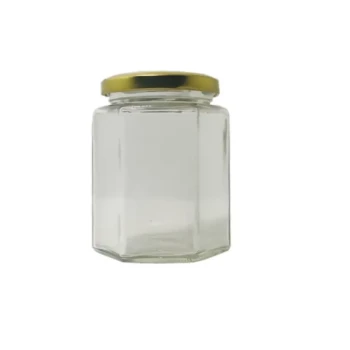
- Hexagonal Glass Honey Jars with Metal Lug Caps Elegant Versatile Packaging
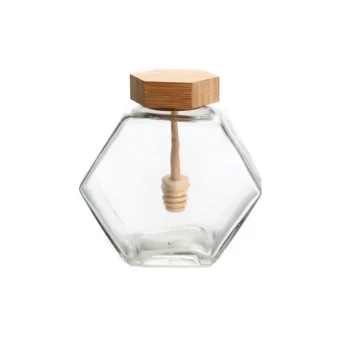
- Hexagonal Glass Honey Jar with Wooden Lid Integrated Dipper Elegant Functional Storage
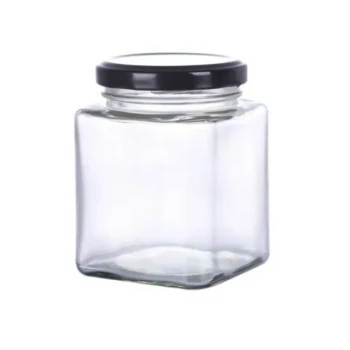
- Modern Square Glass Honey Jar with Twist Off Lid
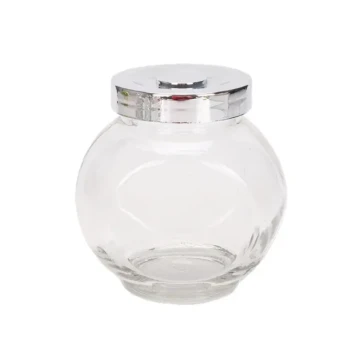
- Classic Drum Shaped Glass Honey Jar with Airtight Lid
People Also Ask
- What is the aesthetic appeal of using glass jars for honey? Elevate Your Brand with Premium Packaging
- What are the logistical challenges associated with using glass jars for honey packaging? Navigating Weight & Fragility
- What are the advantages of glass containers for honey? Elevate Quality and Market Value with Premium Packaging
- What are the technical advantages of using glass jars for honey? Master Commercial Packaging for Premium Purity
- What are the advantages of using glass jars for honey packaging? Preserve Purity & Elevate Your Brand