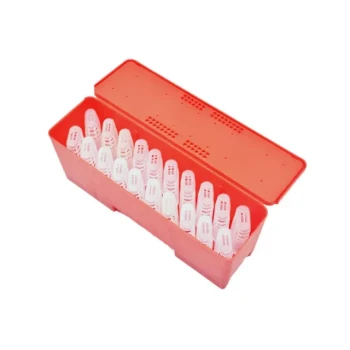
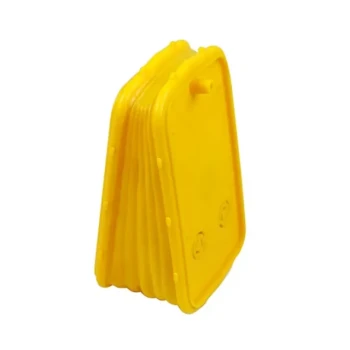
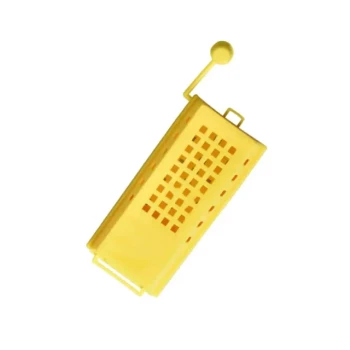
Sterile plastic sampling boxes are the fundamental baseline for maintaining biological integrity during transport. They provide a hermetically sealed, aseptic environment that physically isolates bee pollen from external variables. This protection is critical for preventing the introduction of foreign contaminants that would otherwise compromise the sample before it reaches the laboratory.
The core purpose of these containers is to prevent secondary contamination from environmental microorganisms and mold spores. By preserving the sample's original state during the 24-hour transport window, these boxes ensure that subsequent fungal frequency analyses reflect the actual apiary conditions rather than external pollutants.
The Critical Role of Aseptic Containment
Preventing Secondary Contamination
Bee pollen is a nutrient-rich substance that creates an ideal breeding ground for microbes. The sterile plastic box acts as a definitive barrier against secondary contamination.
Without this barrier, the sample is vulnerable to environmental microorganisms present in the air or on handling equipment. These external agents can rapidly colonize the pollen, altering its biological composition.
Blocking Mold Spore Intrusion
Mold spores are ubiquitous in the environment and are a primary threat to pollen samples.
A sterile, sealed environment effectively blocks the entry of these spores. This ensures that any fungi detected later in the lab are native to the sample, not hitchhikers from the journey.
Preserving Data Integrity
Protecting Fungal Lineage Characteristics
For researchers, the goal is to analyze the specific fungal lineage characteristics present at the moment of collection.
If a sample is exposed to non-sterile conditions, fast-growing environmental contaminants can outcompete the original fungi. The sterile box "locks in" the sample's biological profile, preserving the original lineage for accurate identification.
Ensuring Accurate Frequency Analysis
Laboratory results are only as good as the sample quality. The ultimate goal of using sterile transport is to maintain the accuracy of fungal frequency analyses.
If the sample is altered during the 24-hour transport period, the resulting data will be skewed. The sterile box eliminates the variable of transport-induced growth, ensuring the data represents the hive, not the truck.
Understanding the Risks
The Consequence of Compromised Seals
Even a minor breach in the container's seal can render a sample useless for microbiological study.
If the environment is not completely aseptic, the rapid proliferation of external bacteria can occur within hours. This makes the distinction between "original" and "secondary" organisms impossible once the sample reaches the lab.
Sensitivity to Time and Environment
The reference specifically highlights a 24-hour transport period.
During this window, temperature and humidity fluctuations can accelerate microbial growth. The sterile plastic box mitigates these risks by maintaining a controlled, isolated micro-environment around the pollen.
Ensuring Valid Research Outcomes
If your primary focus is Fungal Analysis:
- You must use sterile containers to ensure that the frequency data collected reflects only the original fungal lineages present in the hive.
If your primary focus is Sample Logistics:
- Prioritize containers that offer a verified aseptic seal to prevent environmental mold spores from invalidating the sample during the 24-hour transit.
Reliable scientific conclusions regarding bee pollen depend entirely on maintaining an unbroken chain of sterility from the apiary to the analysis bench.
Summary Table:
| Feature | Importance for Pollen Samples | Benefit for Researchers |
|---|---|---|
| Aseptic Environment | Blocks environmental microbes and mold spores | Prevents secondary contamination |
| Hermetic Seal | Isolates sample from air and moisture | Maintains biological integrity for 24 hours |
| Physical Barrier | Prevents fast-growing contaminants from entry | Protects original fungal lineage characteristics |
| Micro-environment Control | Stabilizes sample against transport fluctuations | Ensures accurate fungal frequency analysis |
Secure Your Apiary Research with HONESTBEE
Maintaining the purity of bee pollen samples is non-negotiable for commercial success and scientific accuracy. At HONESTBEE, we understand the precision required by commercial apiaries and distributors. We provide a comprehensive wholesale range of high-quality beekeeping tools, specialized machinery, and sterile consumables designed to protect your product from hive to laboratory.
Whether you need hive-making equipment, honey-filling machines, or industry-standard sampling supplies, we deliver the reliability your business demands. Contact us today to explore our full-spectrum wholesale solutions and see how our expertise can streamline your operations.
References
- Simona Nardoni, Francesca Mancianti. Occurrence of moulds from bee pollen in Central Italy – A preliminary study. DOI: 10.5604/12321966.1196862
This article is also based on technical information from HonestBee Knowledge Base .
Related Products
- Plastic Transporting Bee Packages and Nuc Boxes for Beekeeping
- Removable Plastic Pollen Trap With Ventilated Tray for Bees Pollen Collector
- JZBZ Style Professional Battery Box with 20 Shipping Cages
- 30 cm Plastic Entrance Hole Bee Pollen Trap and Collector
- Plastic Bee Pollen Trap Strips Comb Catcher Collector
People Also Ask
- What role do bee package boxes play in the commercial transport and expansion of honeybee colonies? - Logistic Essentials
- What are beekeeping boxes called? A Guide to Hive Bodies and Box Types
- How do standardized bee packages serve as a recovery mechanism for commercial beekeeping? Ensure Business Continuity
- What is the commercial value of using standardized bee packages? Drive Scalability in Large-Scale Apiaries
- Why is the timely introduction of high-quality bee packages critical? Save Your Apiary from Asian Hornet Invasions