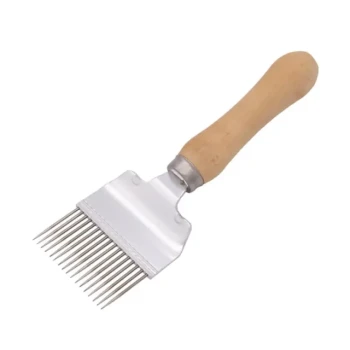
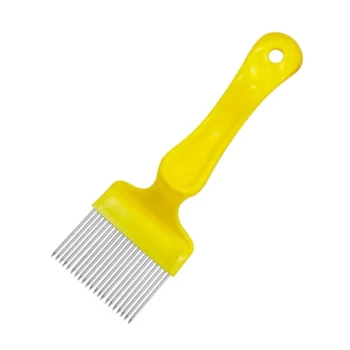
Sterile sampling tools are legally and scientifically mandatory for collecting honey for DNA metabarcoding because this analysis method is hypersensitive to microscopic contamination. Using sterile equipment, such as tweezers and centrifuge tubes, creates a necessary barrier against environmental DNA, ensuring that the genetic material isolated comes exclusively from the pollen collected by the specific bee colony being studied.
The integrity of a DNA metabarcoding study relies entirely on sample purity at the moment of extraction. Sterile tools prevent cross-contamination that would otherwise introduce foreign genetic markers, rendering the analysis of the bees' foraging habits and pollen sources statistically invalid.
The Critical Role of Sterility in DNA Analysis
Preventing Environmental Cross-Contamination
DNA metabarcoding amplifies trace amounts of genetic material. If you use non-sterile tools, you inevitably introduce environmental DNA—genetic material present on surfaces, skin, or in the air—into the honey sample.
This external DNA competes with the target pollen DNA during the sequencing process. Consequently, the final data may reflect the environment of the sampling tools rather than the botanical composition of the honey.
Isolating Colony-Specific Data
To accurately map the foraging behavior of a specific hive, the sample must be hermetically isolated from other biological inputs.
Using sterile tools ensures the extracted information corresponds strictly to the specific pollen sources collected by that particular colony. Without this isolation, it is impossible to determine if a detected plant species was actually visited by the bees or introduced by the handler.
Strategies for Representative Sampling
Targeting Recent Foraging Activity
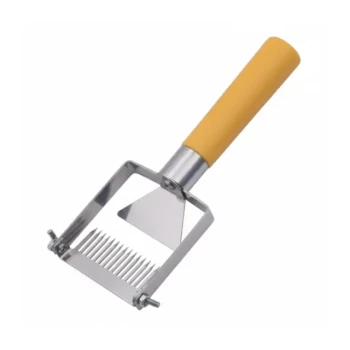
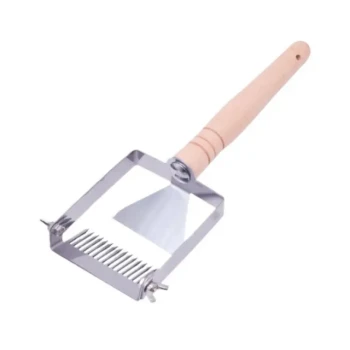
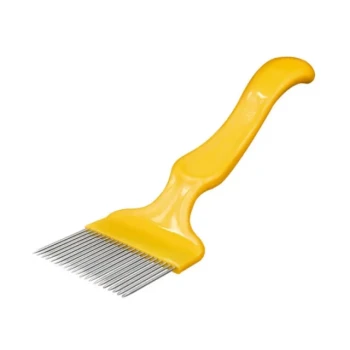
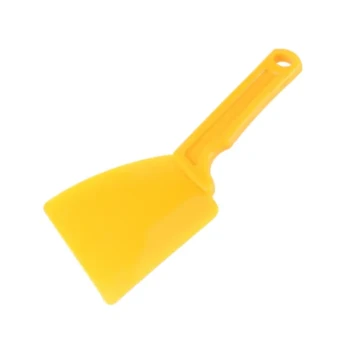
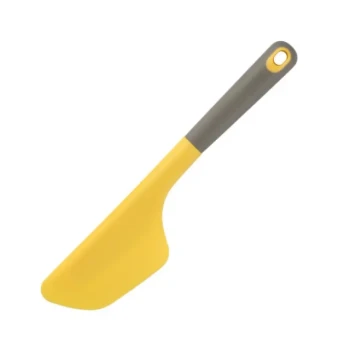
Beyond basic sterility, the method of collection determines the temporal accuracy of the data. Professional hive scrapers should be used to extract honey from the edges of newly filled storage cells.
This technique captures "active" pollen that reflects recent foraging activities. It minimizes interference from older honey reserves, providing a snapshot of the current dietary diversity and potential pesticide exposure.
The Importance of Sealed Honey
Ideally, samples should be taken from sealed honey within complete hive frames.
Sealed cells act as a natural sterile barrier. Sampling directly from these cells avoids the cross-contamination often seen during mechanical extraction or bulk processing, where honey from multiple sources might mix.
Understanding the Risks: The Cost of Contamination
Distorted Biodiversity Assessments
The primary risk of using non-sterile or improper tools is the generation of abnormal pollen counts.
If external sediments or foreign pollen enter the sample, the resulting dataset will show a skewed biodiversity profile. This can lead researchers to draw incorrect conclusions about local flora or agricultural impacts.
Sample Rejection and Data Loss
In rigorous scientific studies, purity is directly linked to validity.
Samples showing signs of cross-contamination often must be discarded entirely. This disrupts the quality assessment process and wastes the time and resources invested in the fieldwork and sequencing.
Ensuring Accuracy for Your Project
To ensure your DNA metabarcoding results are actionable and accurate, apply the following principles based on your specific goals:
- If your primary focus is distinct colony analysis: Use sterile, single-use tools for every individual hive to prevent genetic bleed-over between colonies.
- If your primary focus is temporal monitoring: Target only newly sealed cells on the frame edges to analyze the most recent foraging period.
- If your primary focus is agricultural impact: Avoid bulk-processed honey entirely and sample directly from the frame to eliminate facility-based contamination.
Rigorous sterility is not just a procedural formality; it is the only way to guarantee that your data tells the true story of the hive.
Summary Table:
| Key Aspect | Requirement | Purpose & Benefit |
|---|---|---|
| Sterility | Single-use sterile tools | Prevents environmental DNA (eDNA) from distorting results. |
| Sampling Location | Sealed honey cells | Natural barrier ensures purity and captures specific hive data. |
| Temporal Accuracy | Newly filled edge cells | Provides a snapshot of recent foraging and dietary diversity. |
| Contamination Risk | Avoid bulk-processed honey | Eliminates genetic "bleed-over" from multiple sources. |
| Data Validity | Hermetic isolation | Ensures botanical profiles are statistically valid and actionable. |
Elevate Your Apiary Operations with HONESTBEE
Precision in honey analysis starts with the right equipment. HONESTBEE supports commercial apiaries and distributors with a comprehensive wholesale range of professional-grade beekeeping tools and machinery. Whether you need specialized hardware like honey-filling machines, robust hive-making equipment, or essential industry consumables, our portfolio is designed to ensure quality at every stage of production.
Why partner with HONESTBEE?
- Full Spectrum Supply: From hardware to honey-themed cultural merchandise.
- Commercial Scalability: Wholesale solutions tailored for large-scale distributors.
- Quality Assurance: Tools that meet the rigorous standards of modern apiculture.
Ready to enhance your productivity and product purity? Contact us today to explore our wholesale offerings!
References
- Natasha de Vere, Col R. Ford. Using DNA metabarcoding to investigate honey bee foraging reveals limited flower use despite high floral availability. DOI: 10.1038/srep42838
This article is also based on technical information from HonestBee Knowledge Base .
Related Products
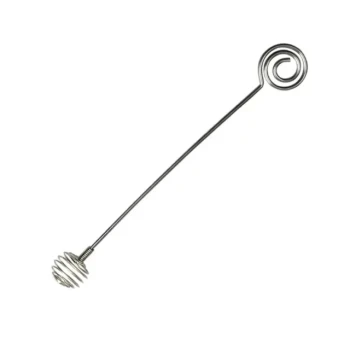
- Modern Stainless Steel Honey Dipper Stirrer
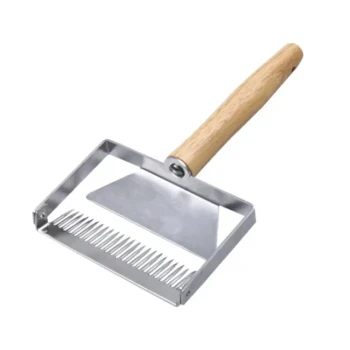
- Extra Wide Stainless Steel Honey Uncapping Fork with Scraper Beekeeping Tool
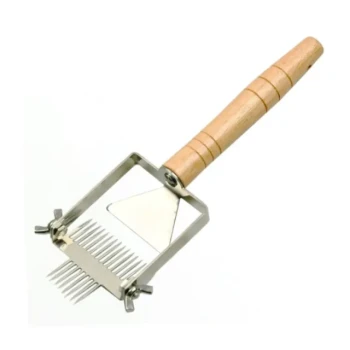
- Adjustable Stainless Steel Honey Uncapping Fork with Scraper Beekeeping Tool
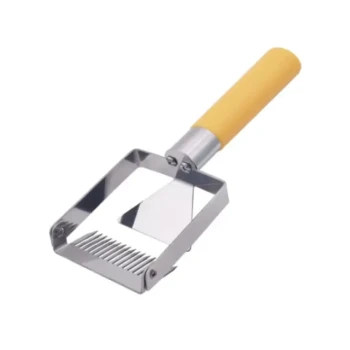
- Stainless Steel Pivoting Honey Uncapping Fork with Plastic Handle
- All-Stainless Steel Pivoting Honey Uncapping Fork for Beekeeping
People Also Ask
- What is a honey dipper? Master the Art of the Perfect Drizzle with This Essential Tool
- How do you clean and store a honey dipper? Simple Steps for Long-Lasting Performance
- What is a honey taking spoon called? Discover the Tool for a Perfect, Mess-Free Drizzle
- What is a honey dipper and what is it used for? A Guide to Mess-Free Drizzling
- What is the proper method for cleaning a honey dipper? Maintain Pure Flavor with These Easy Pro Tips