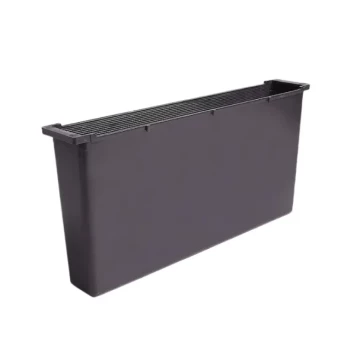
Supplementary feeding tools serve as a critical defense mechanism against colony collapse by bridging the gap when natural resources fail. They provide essential artificial nutrition during periods of scarcity, directly bolstering colony immunity and ensuring the physical resilience required to withstand environmental stressors.
Core Insight: A honeybee colony's ability to survive external threats is inextricably linked to its nutritional status. Supplementary feeding is not merely about preventing starvation; it is a strategic intervention that lowers the colony's sensitivity to pesticides and parasites, effectively "hardening" the hive against seasonal mortality factors.
The Biological Impact of Nutritional Support
Mitigating the Stress Multiplier
Nutritional deficiency is rarely an isolated problem; it acts as a stress multiplier. When bees lack proper nutrition, their biological systems weaken, making them significantly more susceptible to existing threats.
By using standardized feeders to ensure consistent intake, you effectively raise the colony's physiological threshold for survival. A well-fed bee is biologically better equipped to detoxify pesticide exposure and resist parasitic infections compared to a malnourished one.
Maintaining Vital Life Activities
The colony operates as a complex superorganism that requires a baseline energy input to function. During dearth periods, natural foraging cannot meet this demand.
Artificial feed provides the calories necessary to maintain core temperature and metabolic functions. This continuity allows the colony to sustain normal physiological activities rather than entering a conservation mode that often precedes collapse.
Strategic Application During Transitions
Stabilizing Spring and Autumn Transitions
The most dangerous periods for a colony often occur during seasonal shifts. Spring and Autumn represent times when weather is unpredictable and natural nectar flows may be insufficient or nonexistent.
Providing refined sugar syrup during these windows ensures a stable energy supply. This stability prevents the "boom and bust" population cycles that can leave a colony too weak to survive the oncoming winter or recover in the spring.
Controlling Environmental Exposure
Using feeding tools offers a secondary, often overlooked benefit: exclusion of external toxins.
When bees are forced to forage in contaminated environments, they risk bringing back uncontrolled pesticides. By implementing a standardized artificial feeding protocol, you minimize the risk of introducing these unknown variables, ensuring the colony's diet remains clean and consistent.
Understanding the Limitations
The Moisture Management Trade-off
While feeding syrup is vital for energy, introducing liquid feed inside the hive can inadvertently raise internal humidity.
High humidity is a leading cause of winter mortality. If the hive lacks breathable designs or drainage, the moisture from feeding can lead to condensation and freezing. Feeding strategies must always be paired with proper ventilation management to prevent creating a damp, mold-prone microclimate.
Genetics vs. Nutrition
It is crucial to recognize that feeding tools address physiological health, not genetic potential.
Excellent nutrition cannot compensate for a queen with poor cold resistance or weak hygienic behavior. Sustainable survival requires a holistic approach that combines nutritional support with the selection of genetically superior stock capable of withstanding harsh climates.
Making the Right Choice for Your Colony
To effectively manage seasonal mortality, align your feeding strategy with your specific management goals:
- If your primary focus is preventing winter collapse: Prioritize feeding during Autumn to build up carbohydrate stores and fat bodies, ensuring bees have the energy reserves to generate heat.
- If your primary focus is rapid spring buildup: Utilize feeders to stimulate brood rearing early in the season, bridging the gap before the first natural blooms appear.
- If your primary focus is disease and pesticide resilience: Maintain a consistent feeding schedule during dearth periods to keep immune systems at peak efficiency, reducing the colony's sensitivity to environmental toxins.
By treating supplementary feeding as a proactive health measure rather than a reactive emergency fix, you transform nutrition into your colony's strongest shield.
Summary Table:
| Strategic Goal | Feeding Purpose | Biological Impact |
|---|---|---|
| Pesticide Resilience | Toxin Mitigation | Enhances detoxification pathways through improved nutrition |
| Winter Survival | Energy Reserves | Provides calories for metabolic heat and fat body development |
| Spring Expansion | Population Growth | Stimulates early brood rearing before natural nectar flow |
| Disease Defense | Immune Support | Hardens the hive against parasites by raising physiological thresholds |
| Microclimate Control | Resource Stability | Minimizes the need for risky foraging in contaminated environments |
Secure Your Hive’s Future with HONESTBEE
Seasonal mortality shouldn't threaten your apiary's productivity. At HONESTBEE, we empower commercial apiaries and distributors with the professional-grade tools needed to sustain colony health year-round. From high-efficiency feeding systems to advanced honey-filling machinery and hive-making equipment, our comprehensive wholesale portfolio covers every industry essential.
Partner with us to provide your customers—and your colonies—with the highest standard of beekeeping hardware and consumables. Contact HONESTBEE today to explore our wholesale solutions and see how our expertise can scale your beekeeping operations.
References
- Fekadie, Bereket. Studying Causes of Honey Bee Mass Death in Western Amhara Region, Ethiopia. DOI: 10.5281/zenodo.17948670
This article is also based on technical information from HonestBee Knowledge Base .
Related Products
- HONESTBEE Entrance Bee Feeder Efficient Hive Front Liquid Feeding Solution for Beekeeping
- Professional Hive Top Bee Feeder for Beekeeping
- HONESTBEE Professional Hive Top Bee Feeder Feeding Solution
- Rapid Bee Feeder White Plastic 2L Round Top Feeder for 8 or 10-Frame Bee Hives
- In-Hive Dual Compartment Frame Bee Feeder for Targeted Colony Nutrition
People Also Ask
- What types of bee feeders are available for beginners? Start with the Simple Entrance Feeder
- What are the advantages and disadvantages of using an entrance feeder for bees? Balance Convenience and Hive Security.
- What is a bee entrance feeder and what are its drawbacks? Essential Guide to Hive Security and Feeding Efficiency
- How does a bee entrance feeder work? A Simple Guide to Convenient Hive Feeding
- How to make an entrance feeder for bees? A DIY Guide for Safe & Effective Feeding