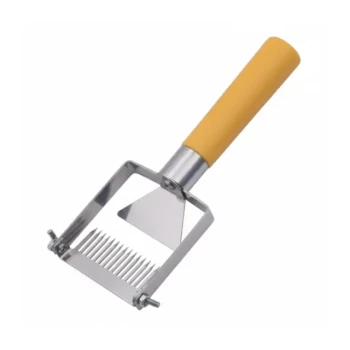
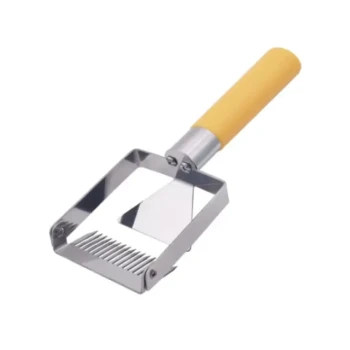
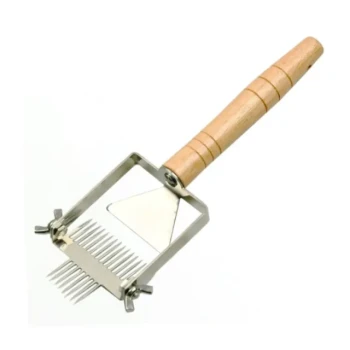
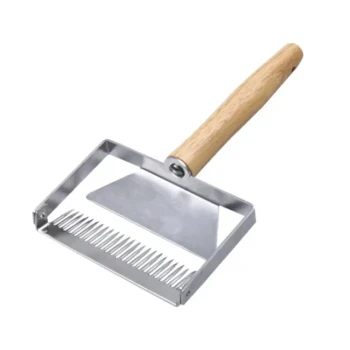
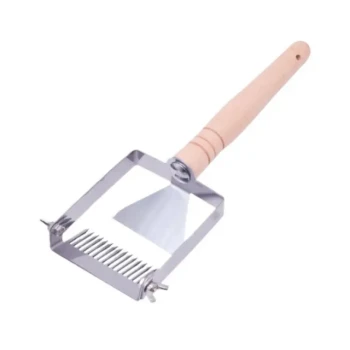
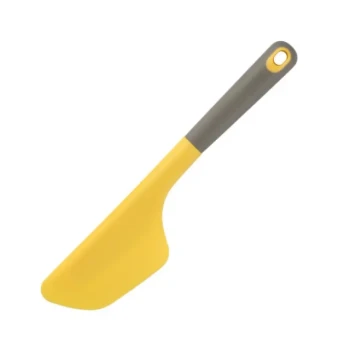
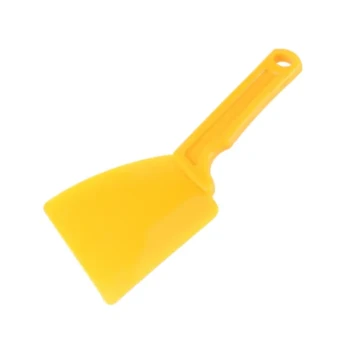
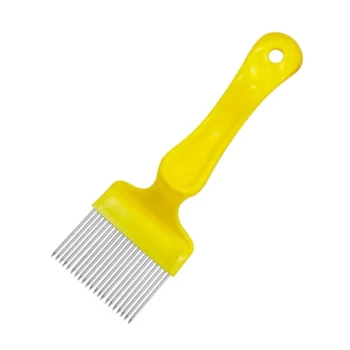
Honey harvesting tools must be adapted for specific cutting performance because the physical composition of a honeycomb changes significantly as it ages. Older combs accumulate propolis, making them thicker and much harder than delicate new combs, which necessitates tools with high strength and exceptional sharpness to function effectively.
The accumulation of propolis in older honeycombs alters their structural integrity, making them tougher to process. High-performance tools are essential to sever these hardened connections cleanly, preventing damage to the comb and maximizing honey and beeswax recovery.
The Physical Transformation of the Comb
The Accumulation of Propolis
The primary reason harvesting tools require specific cutting capabilities is the presence of propolis. Over time, bees deposit this resinous mixture into the comb structure.
Increased Hardness and Thickness
Unlike new honeycombs, which are relatively soft and pliable, old honeycombs become thicker and harder due to this accumulation. Standard tools designed for fresh wax may fail or perform poorly when facing this toughened material.
Why Cutting Performance Matters
Severing the Top Bar Connection
The critical moment in harvesting involves severing the connection between the comb and the top bar. High-performance tools are required to cleanly cut through the hardened, propolis-rich interface of an old comb.
Minimizing Structural Damage
If a tool lacks the necessary sharpness or strength, it is more likely to tear or crush the comb rather than slice through it. A precise cut minimizes structural damage, preserving the integrity of the harvest.
Preventing Honey Loss
Rough or blunt cutting leads to unnecessary waste. By ensuring a clean severance, you significantly reduce honey loss that typically occurs when a comb is mangled during removal.
Facilitating Beeswax Recovery
Proper cutting affects downstream processing as well. A clean extraction ensures the smooth recovery of beeswax, streamlining the subsequent processing of the comb material.
Understanding the Operational Trade-offs
Equipment Rigidity vs. Biological Nuance
While strength is vital for cutting old combs, the equipment must still align with the biological characteristics of the bee species.
The Pitfall of "One Size Fits All"
Large-scale, fully automated lines designed for high-yield commercial bees are often unsuitable for species with unique nest structures or lower honey volumes. Using overpowered or oversized machinery on delicate or non-standard nest architectures can lead to inefficiency and damage.
Making the Right Choice for Your Goal
To select the correct harvesting tools, you must balance the age of the comb with the specific architecture of the nest.
- If your primary focus is harvesting old combs: Prioritize tools with high tensile strength and superior sharpness to handle propolis accumulation without crushing the structure.
- If your primary focus is unique or low-yield bee species: Avoid large-scale automation in favor of specialized, smaller-scale machinery adapted to that specific nest architecture.
Success in honey harvesting depends on matching the tool's cutting power to the physical toughness of the comb.
Summary Table:
| Comb Characteristic | New Honeycomb | Old Honeycomb |
|---|---|---|
| Composition | Fresh, pliable wax | Resin-rich, propolis-heavy |
| Physical State | Soft and delicate | Thick and hardened |
| Cutting Resistance | Low | Very High |
| Tool Requirement | Precision and gentleness | High strength and sharpness |
| Primary Risk | Structural crushing | Tearing and honey loss |
Elevate Your Commercial Apiary with HONESTBEE
To achieve professional-grade extraction, your equipment must evolve with your colony. HONESTBEE specializes in serving commercial apiaries and distributors with high-performance beekeeping tools designed to handle the toughest propolis-rich combs.
From specialized hive-making machinery to precision honey-filling systems and durable harvesting hardware, our comprehensive wholesale portfolio ensures your operation minimizes waste and maximizes beeswax recovery. Whether you are scaling a global distribution network or optimizing a high-yield commercial apiary, we provide the industrial-strength solutions you need.
Ready to upgrade your harvesting efficiency? Contact us today to explore our wholesale equipment catalog.
References
- Donald R. Kugonza, Tom Kisoboyi. Relating hygienic behaviour with the age of comb and colony strength of hived East African lowland honey bees, Apis mellifera scutellata Lepeletier, 1836 (Hymenoptera Apidae). DOI: 10.31396/biodiv.jour.2025.16.2.301.313
This article is also based on technical information from HonestBee Knowledge Base .
Related Products
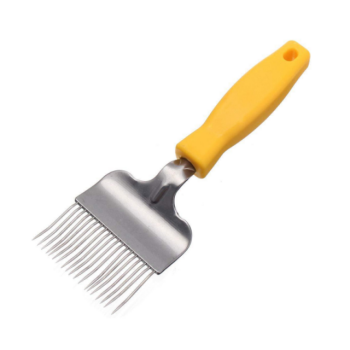
- Adjustable Stainless Steel Honey Uncapping Fork with Plastic Handle for Beekeeping
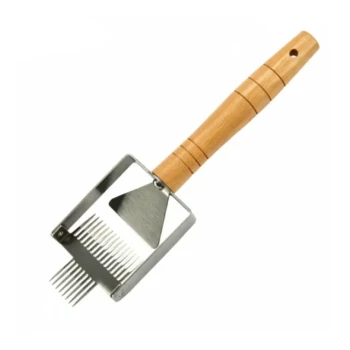
- All-Stainless Steel Pivoting Honey Uncapping Fork for Beekeeping
- Stainless Steel Pivoting Honey Uncapping Fork with Plastic Handle
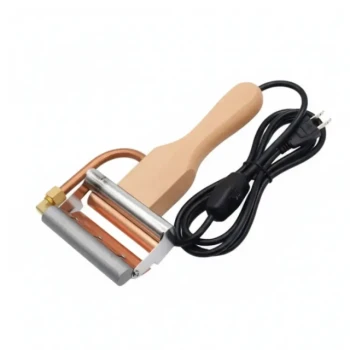
- Professional Honey Uncapping Roller for Efficient Harvesting
- Professional Stainless Steel Pry-Bar Hive Tool
People Also Ask
- What is the design purpose of honey uncapping forks and honey uncapping tanks? Maximize Your Harvest Efficiency
- How does a honey uncapping fork supplement the use of an uncapping knife? Boost Your Honey Yield and Extraction Efficiency
- What are the essential tools for uncapping honey frames? Choose the Right Tool for Your Apiary
- What other tools are available for honey uncapping besides knives? Find the Right Tool for Your Apiary's Scale
- What tools are used for honey uncapping? Choose the Right Knife for Your Harvest