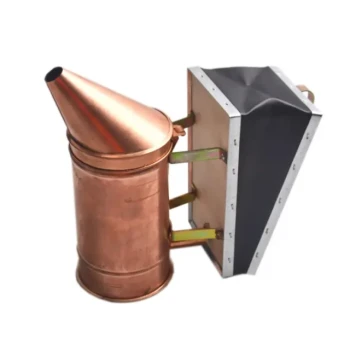
Frequent hive opening increases pest vulnerability because it breaks the colony’s natural seal. Bees use propolis to close cracks and create a physical and antimicrobial barrier against ants, moths, and small animals. Repeated inspections disturb this barrier, expose the brood chamber, and reduce the nest’s structural protection. Modern apiary supplies help beekeepers monitor colonies and collect propolis while limiting unnecessary disruption.
The central principle is controlled access: inspect what is necessary, preserve the hive’s propolis seal wherever possible, and use equipment that supports visibility without prolonged exposure.
Why Frequent Hive Opening Weakens Nest Defense
Propolis Is Part of the Hive’s Security System
In a natural nest, bees seal gaps with propolis. This resinous material helps reinforce the nest and provides an antimicrobial defense surface.
The seal is not merely cosmetic. It helps limit access points for pests and supports the stable, protected environment required by brood and stored food.
Opening the Hive Creates New Exposure
Each time a hive is opened, existing propolis seals can be disturbed or broken. The longer the brood chamber remains exposed, the greater the opportunity for pests and environmental stresses to reach the colony’s protected interior.
Frequent disturbance also makes it harder for bees to maintain the nest’s original defensive structure. The issue is not that every inspection is harmful, but that unnecessary or poorly controlled access accumulates risk.
Brood and Stored Resources Need Protection
The brood chamber contains developing bees and is especially important to colony continuity. Honey stores, wax, and other hive resources can also attract pests when the colony’s defenses are compromised.
A disciplined inspection routine therefore treats the hive interior as a protected zone, limiting both the frequency and duration of exposure.
How Modern Apiary Supplies Preserve Nest Integrity
Transparent Inner Covers Improve Visibility
Transparent inner covers allow beekeepers to observe colony activity with less direct exposure of the hive interior. They can reduce the need to remove multiple components during routine checks.
For distributors and resellers, these covers are practical additions to a broader inspection portfolio because they serve both commercial operations and beekeepers seeking gentler monitoring methods.
Ergonomic Hive Tools Support Controlled Inspection
An ergonomic hive tool helps separate hive components and manage propolis with greater precision. Controlled handling reduces the likelihood of unnecessarily damaging the seals bees have built around the hive.
The value is operational as well as protective: comfortable, purpose-built tools can make inspections faster, more consistent, and less disruptive.
Propolis Traps Enable Collection Without Sacrificing Defense
Specialized propolis harvesting traps give colonies a structured surface on which to deposit propolis. Beekeepers can then collect it without repeatedly scraping or damaging essential seals throughout the hive.
This creates a better balance between product recovery and colony protection. The equipment channels the bees’ natural behavior instead of treating every propolis deposit as an obstacle.
Weather-Resistant Hive Hardware Adds Structural Protection
Weather-resistant hive components provide the shelter and durability needed to maintain a stable colony environment. Strong housing also helps preserve the physical boundaries that separate the colony from external stressors and pests.
Additional hive bodies can expand storage and living space as colonies grow, synthesize wax, and accumulate honey. Proper capacity reduces the pressure to manipulate crowded colonies more frequently than necessary.
Pest Monitoring Requires More Than Physical Barriers
Hardware Supports Inspection and Treatment
Modern hive equipment provides the structural foundation for monitoring pests and applying appropriate treatments. This is especially important for parasites such as Varroa mites, which can severely damage untreated colonies.
A transparent cover or durable hive body does not replace a pest-management program. It makes regular observation and practical intervention more manageable.
Better Access Improves Operational Consistency
When inspections require less disassembly and handling, commercial beekeepers can follow more consistent monitoring routines. Consistency matters because pest pressure and colony condition can change between visits.
For B2B buyers, a reliable supply of compatible covers, tools, traps, and hive bodies supports standardized workflows across apiaries rather than isolated equipment purchases.
Understanding the Trade-offs
More Inspections Are Not Automatically Better
Frequent opening can provide information, but additional access also increases disruption. Inspections should have a defined purpose, use the least invasive method available, and avoid leaving the brood chamber exposed longer than necessary.
The right goal is not zero inspections. It is efficient inspection with minimal disturbance.
Propolis Traps Must Be Used Strategically
Harvesting propolis is compatible with nest defense when traps are positioned and managed appropriately. However, collection should not encourage the removal of propolis that is serving an important sealing function elsewhere in the hive.
Product selection and usage guidance are therefore important parts of the value proposition for suppliers serving professional beekeepers.
Equipment Does Not Eliminate Pest Risk
Hive hardware can improve shelter, visibility, access, and treatment readiness, but it cannot guarantee protection from ants, moths, small animals, Varroa mites, or environmental stress.
Beekeepers still need sound inspection timing, suitable pest monitoring, and timely treatment decisions based on colony conditions.
Compatibility and Fulfillment Matter
Covers, tools, traps, and hive bodies must match the hive system and operating requirements. Poor compatibility can create gaps, slow inspections, or force unnecessary manipulation.
For distributors and wholesalers, one-stop sourcing, responsive technical support, and rapid order fulfillment help customers maintain consistent equipment standards across their operations.
Making the Right Choice for Your Goal
Select equipment according to the balance you need between colony protection, inspection efficiency, and operational scale.
- If your primary focus is protecting colony defenses: Use transparent inner covers and ergonomic hive tools to reduce unnecessary disturbance of propolis seals and brood-chamber exposure.
- If your primary focus is propolis harvesting: Add specialized propolis traps so collection can occur without routinely damaging the hive’s natural protective structure.
- If your primary focus is pest management: Choose durable hive hardware that supports reliable monitoring and timely treatment, while maintaining a broader Varroa and pest-control program.
- If your primary focus is commercial supply efficiency: Work with a supplier offering a full apiary portfolio, technical expertise, rapid response, and fast fulfillment across inspection, harvesting, shelter, and expansion equipment.
The most effective apiary strategy combines careful opening practices with equipment designed to preserve the colony’s own defenses.
Summary Table:
| Factor | Impact on Nest Defense | Modern Solution |
|---|---|---|
| Propolis seal | Broken by frequent opening | Transparent inner covers reduce need for full inspection |
| Brood chamber exposure | Increases vulnerability to pests | Ergonomic hive tools enable precise, quick handling |
| Propolis collection | Scraping damages protective layers | Propolis traps channel collection without harming seals |
| Overall structural integrity | Compromised by repeated disturbances | Weather-resistant hive bodies provide strong shelter |
| Monitoring and treatment | Inconsistent inspections miss pests | Hardware supports regular, efficient monitoring |
Protect your apiary while maximizing efficiency. HONESTBEE offers a full range of apiary supplies—from transparent covers and ergonomic tools to propolis traps and durable hive bodies—designed to reduce pest vulnerability and streamline your operations. As one-stop suppliers for commercial apiaries and distributors, we provide rapid response, expert support, and ultra-fast delivery to keep your business thriving. Contact us today to explore our wholesale solutions and elevate your beekeeping standards. Get in touch with our team for a customized quote.
Related Products
- Professional Grade Foldable Beehive Handles
- Professional Rechargeable Beekeeping Headlamp Flashlight with Red Light Mode and Type-C Charging
- Yellow Plastic Bucket Pail Perch for Beekeeping
- Professional Beekeeper Suit with Square Folding Cotton Veil
- Heavy-Duty Ergonomic Grip Galvanized Pollen Shovel
People Also Ask
- How do bee hive handles facilitate the evaluation of food stores? Use the Lift Test for Winter Survival
- How do hive handling tools and propolis management affect bee colony behavior during routine apiary maintenance? Minimize Disturbance with Precise Techniques
- How do the geometry and dimensions of hive handles influence operational safety and control? Expert Design Insights
- What is a bee hive tool? Discover Why It’s the Most Essential Hand Tool for Every Beekeeper
- What are the common sizes and features of bee hive tools? Choose the Right Tools for Your Apiary